Maintaining healthy smiles for your entire family requires more than occasional brushing. Spanish-speaking families in the Inland Empire face unique challenges accessing affordable, comprehensive dental care while navigating language barriers and insurance complexities. This checklist provides practical, actionable steps to establish effective daily oral hygiene routines, select age-appropriate dental products, and connect with bilingual dental professionals who understand your community’s needs. You’ll discover proven techniques to prevent cavities, reduce dental visits, and build lifelong healthy habits for every family member, from infants to grandparents.
Table of Contents
- Key takeaways
- Criteria for an effective family dental hygiene checklist
- Essential items for your dental hygiene checklist
- Comparing oral hygiene routines: manual versus electric and special considerations
- Selecting affordable dental care and professional support in Inland Empire
- Explore Monteluz Dental’s affordable family care plans
- Frequently asked questions
Key Takeaways
| Point | Details |
|---|---|
| Brushing twice daily | Follow a routine of brushing twice for two minutes with fluoride toothpaste, flossing, tongue scraping, and mouthwash to dramatically reduce cavities and gum disease. |
| Age appropriate toothpaste | Use age appropriate toothpaste amounts based on a child’s age to prevent fluoride ingestion while protecting developing teeth. |
| Supervise young brushers | Supervise kids brushing until around age seven or eight and demonstrate proper circular and back and forth brushing techniques. |
| Limit sugars and drink water | Limit sugary foods and drinks, drink water, and use a straw for acidic beverages to reduce decay. |
| Find bilingual dental care | Seek bilingual dental professionals and family friendly clinics in Inland Empire to access affordable care and guidance. |
Criteria for an effective family dental hygiene checklist
Establishing a consistent oral care routine starts with understanding what actually works. Research shows that daily brushing twice for 2 minutes with fluoride toothpaste, flossing, tongue scraping, mouthwash use, and limiting sugar maximize oral health. These aren’t just recommendations, they’re evidence-based practices that dramatically reduce your family’s risk of cavities, gum disease, and costly dental procedures.
The sequence matters as much as the actions themselves. Start by scraping your tongue to remove bacteria that cause bad breath and contribute to plaque formation. Next, floss or use interdental cleaners to dislodge food particles and plaque between teeth. Then brush for the full two minutes, making sure to reach all surfaces including the back molars where cavities frequently develop. Finally, rinse with mouthwash to kill remaining bacteria and strengthen enamel.
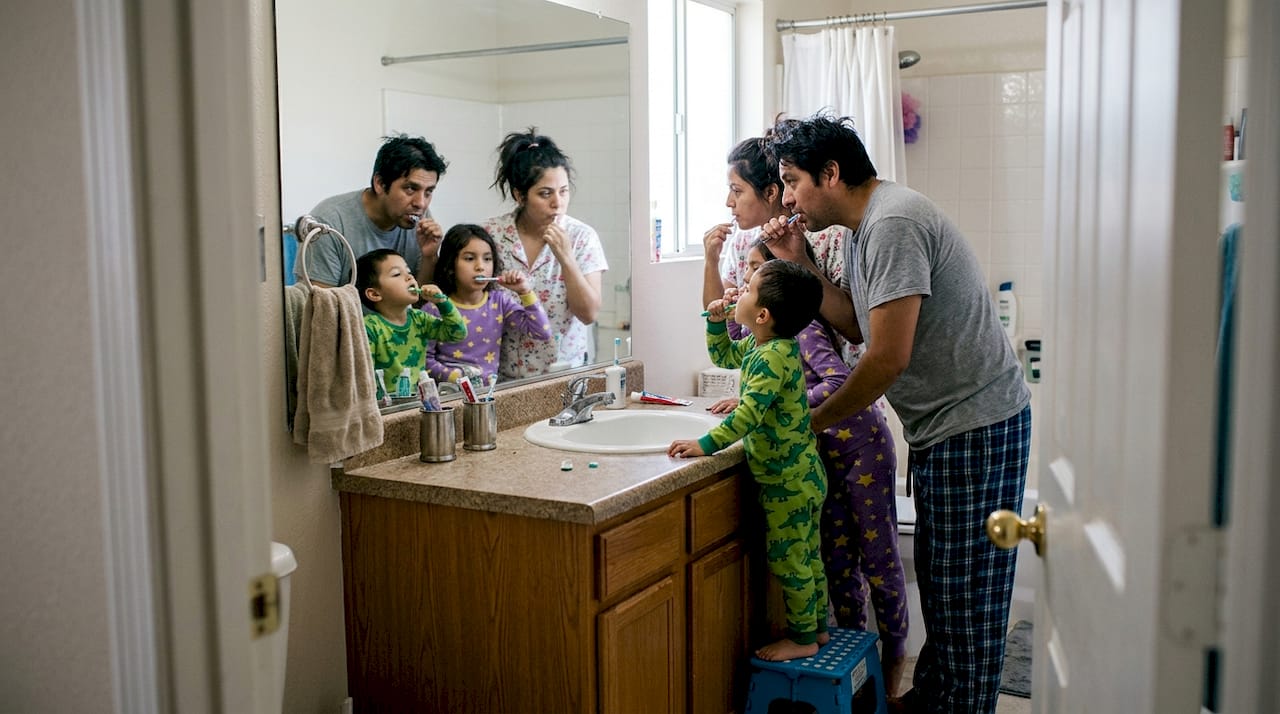
Timing and consistency create lasting results. Brush once in the morning after breakfast and again before bed, when saliva production decreases and bacteria multiply faster. Replace your toothbrush every three months or sooner if bristles fray, since worn brushes lose effectiveness and can harbor harmful bacteria. Pro Tip: Set phone reminders for the entire family to brush together, turning oral care into a bonding activity that builds accountability.
Dietary choices directly impact your family dental hygiene checklist steps. Limit sugary foods and drinks, especially between meals when saliva can’t neutralize acids as effectively. Drink water throughout the day to rinse away food particles and maintain moisture that protects against decay. When you do consume acidic beverages like juice or soda, use a straw to minimize contact with teeth.
Essential items for your dental hygiene checklist
Gathering the right tools transforms good intentions into effective action. Age matters significantly when selecting toothpaste amounts: use pea-size toothpaste for ages 3-6, rice grain size for younger children; proxy brushes for braces; clean gums before first tooth eruption. These precise measurements prevent fluoride ingestion while delivering cavity protection.
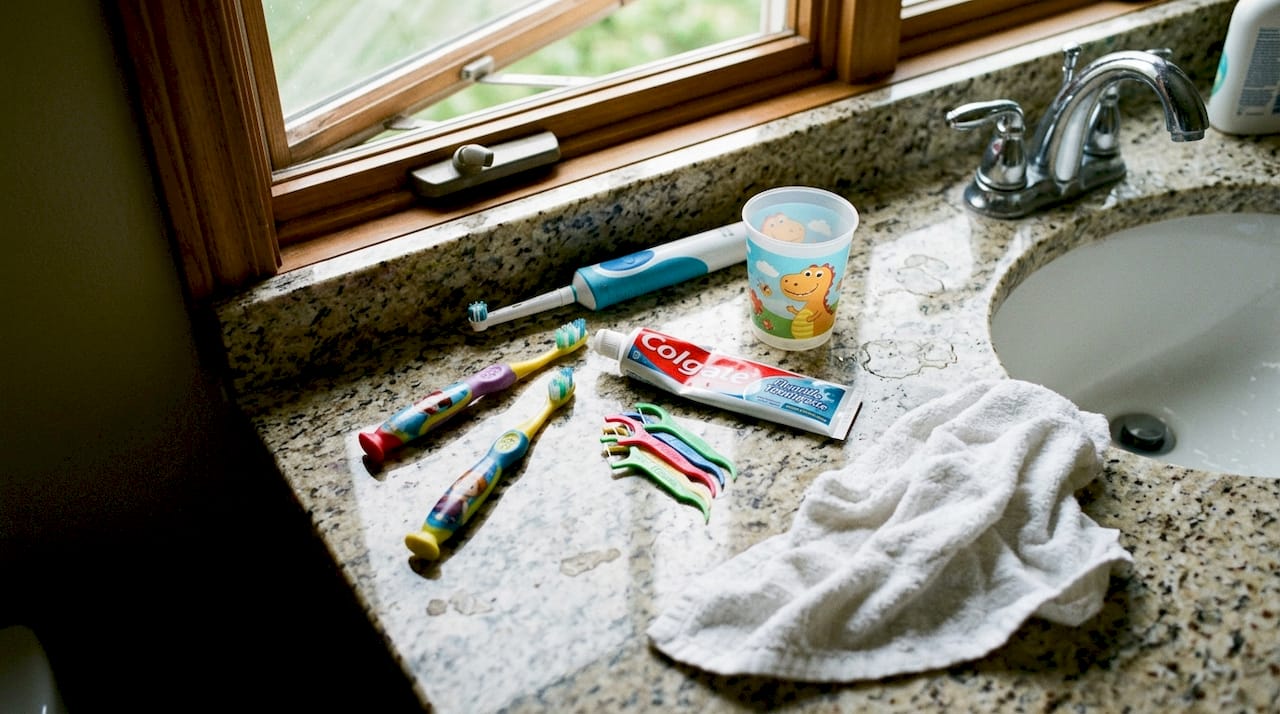
Supervision ensures children develop proper technique. Watch how your kids brush until at least age 7 or 8, when fine motor skills fully develop. Demonstrate circular motions on front teeth and back-and-forth strokes on chewing surfaces. Check that they’re reaching every tooth, not just the easy-to-access front ones. Many children rush through brushing, so use a two-minute timer or play a favorite song to make the duration feel natural.
Specialized tools address specific family needs. Proxy brushes, small cone-shaped brushes, slide between braces wires to remove trapped food that regular brushing misses. Tongue scrapers reduce bad breath by over 70% compared to brushing alone, making them valuable for teenagers and adults. For infants, wrap a clean, damp cloth around your finger to gently clean gums after feedings, establishing oral care habits before teeth even appear.
Your family dental care essentials should include:
- Soft-bristled toothbrushes sized appropriately for each family member’s mouth
- Fluoride toothpaste with the ADA Seal of Acceptance
- Dental floss or floss picks for easier handling
- Antimicrobial mouthwash for adults and older children
- Interdental brushes or water flossers for hard-to-reach areas
- Tongue scraper for comprehensive cleaning
Pro Tip: Keep duplicate supplies in a travel bag so your family maintains routines during vacations or overnight trips. Consistency matters more than perfection.
Storage and replacement schedules prevent contamination. Store toothbrushes upright in open air to dry between uses, never in closed containers where bacteria thrive. Replace brushes after illnesses to avoid reinfection. Check floss containers monthly and restock before running out, eliminating excuses to skip this crucial step.
Comparing oral hygiene routines: manual versus electric and special considerations
Choosing between manual and electric toothbrushes affects cleaning effectiveness and family budget. Electric toothbrushes remove 21% more plaque than manual, making them particularly valuable for children still developing coordination and adults with arthritis or limited dexterity. The built-in timers ensure full two-minute sessions, while pressure sensors prevent aggressive brushing that damages gums.
Manual brushes work perfectly well when used correctly. Hold the brush at a 45-degree angle to your gumline and use gentle circular motions. Apply light pressure, letting the bristles do the work rather than scrubbing hard. Cover all surfaces: outer, inner, and chewing areas of each tooth. The key difference isn’t the tool itself but the technique and consistency you bring to the routine.
| Feature | Manual Brush | Electric Brush |
|---|---|---|
| Plaque removal | Effective with proper technique | 21% more effective |
| Cost | $3-8 per brush | $25-200 initial, $10-40 replacement heads |
| Technique required | High | Low to moderate |
| Best for | Budget-conscious families, travel | Children, limited dexterity, thorough cleaning |
| Battery/charging | None needed | Requires electricity or batteries |
Special circumstances require adapted approaches. For family members with braces, add proxy brushes to clean around brackets and wires where food accumulates. Brush after every meal if possible, or at minimum rinse vigorously with water. Immunocompromised family members face higher thrush risk, so monitor for white patches on the tongue or inner cheeks and consult your dentist promptly if they appear.
The optimal oral hygiene tips comparison follows this sequence:
- Scrape your tongue from back to front three to four times
- Floss between all teeth, curving around each tooth in a C-shape
- Brush all tooth surfaces for two full minutes
- Rinse with mouthwash for 30 seconds, then spit without rinsing with water
- Wait 30 minutes before eating or drinking to maximize fluoride absorption
Avoid rinsing your mouth with water immediately after brushing. This washes away the protective fluoride coating before it can strengthen enamel. The lingering toothpaste taste fades quickly, and the cavity prevention benefits justify the minor inconvenience. Some families incorporate oil pulling with coconut oil three to four times weekly as a supplemental practice, swishing for 10 to 15 minutes before regular brushing, though research on its effectiveness remains limited.
Selecting affordable dental care and professional support in Inland Empire
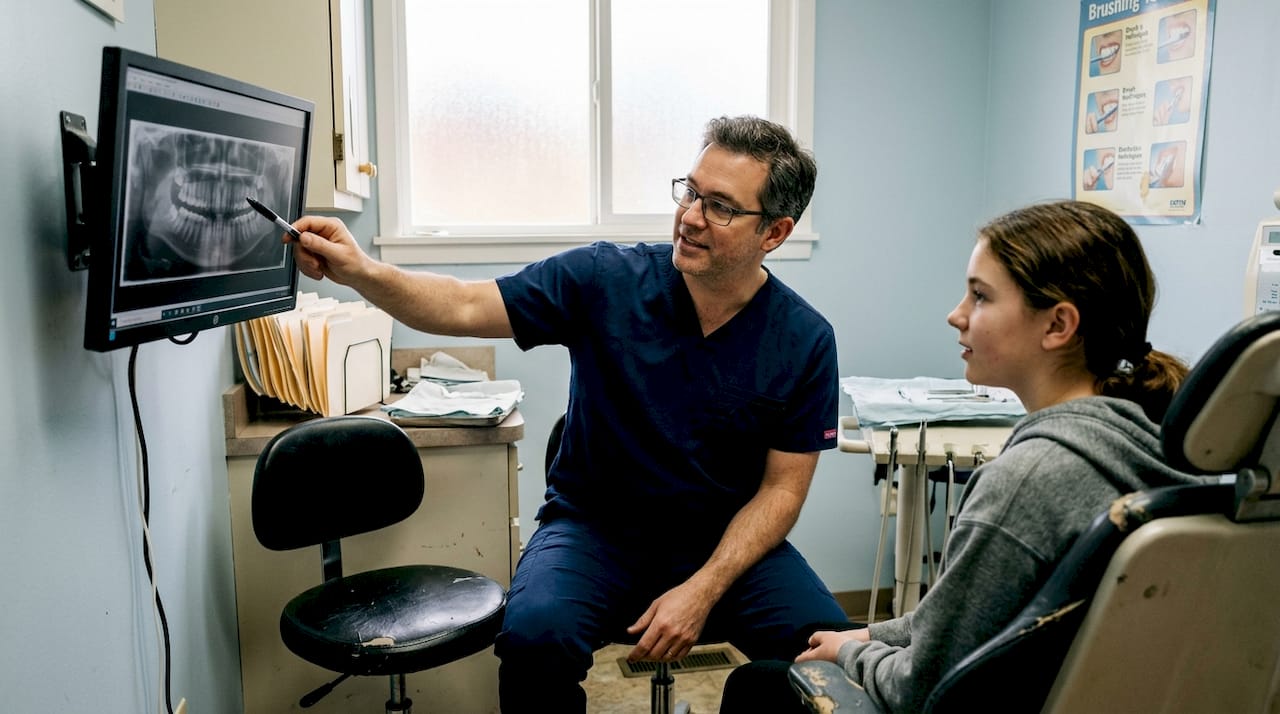
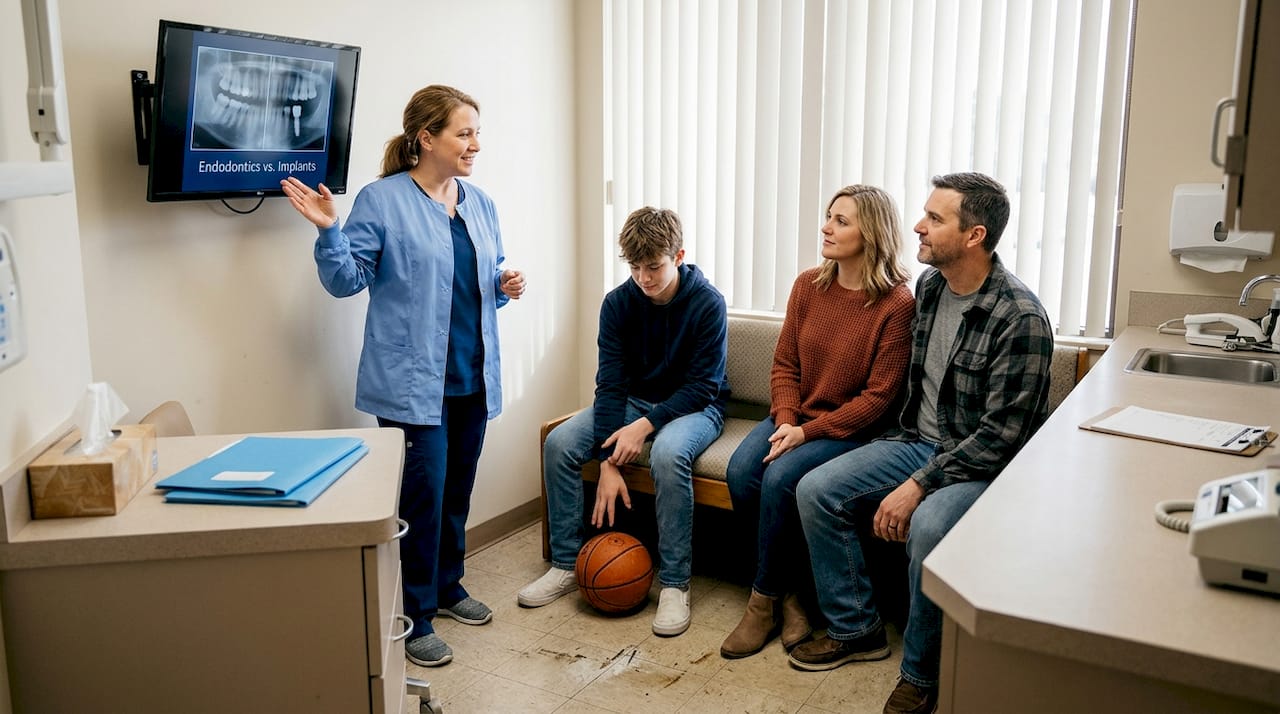
Home care provides the foundation, but professional dental services complete your family’s oral health strategy. Checklist Primera Consulta Dental 25 Mas Satisfaccion. These regular visits catch problems early when treatments remain simple and inexpensive, rather than waiting until pain forces emergency care.
Bilingual services eliminate communication barriers that often prevent Spanish-speaking families from seeking care. When you can explain symptoms, understand treatment options, and ask questions in your preferred language, you make informed decisions about your family’s health. Staff who understand cultural perspectives on dental care create comfortable environments where children and adults feel respected and heard.
Insurance acceptance and flexible payment options remove financial obstacles. Denti-Cal coverage provides comprehensive dental benefits for eligible children and adults, including cleanings, fillings, extractions, and emergency care. For families without insurance, membership plans offer predictable monthly costs that include preventive services and discounts on additional treatments. These structured programs make budgeting manageable and encourage consistent care rather than crisis-only visits.
| Care Component | Frequency | Purpose | Typical Cost Without Insurance |
|---|---|---|---|
| Professional exam | Every 6 months | Early problem detection | $75-200 per visit |
| Professional cleaning | Every 6 months | Remove hardened plaque | $100-300 per visit |
| Fluoride treatment | Every 6 months for children | Strengthen developing enamel | $25-50 per treatment |
| X-rays | Annually or as needed | Identify hidden decay | $100-250 per set |
Parental education directly influences children’s oral health outcomes. When you understand proper techniques and the reasoning behind recommendations, you model effective habits and create home environments that support dental health. Schedule your child’s first dental visit before their third birthday, ideally when the first tooth appears. Early visits familiarize children with the dental office, allow professionals to assess development, and provide personalized guidance for your family’s specific needs.
Pro Tip: Choose a dental practice offering accessible dental care Inland Empire families can reach via public transportation or with flexible scheduling for working parents. Convenience increases the likelihood you’ll maintain consistent six-month visits.
Preventive care costs significantly less than restorative treatments. A routine cleaning and exam might cost $200 without insurance, while a single root canal averages $1,000 to $1,500. Catching a small cavity early requires a simple filling costing $150 to $300, but delaying treatment until the decay reaches the nerve necessitates that expensive root canal plus a crown. The math clearly favors regular preventive visits.
Consider dental membership plans that bundle services for flat monthly fees. These programs typically include two cleanings, two exams, necessary x-rays, and discounts ranging from 15% to 30% on additional procedures. For a family of four, membership plans often cost less annually than paying out-of-pocket for just the preventive visits, while providing financial predictability that helps you plan household budgets.
Explore Monteluz Dental’s affordable family care plans
Your family deserves comprehensive dental care without financial stress or language barriers. Monteluz Dental Specialty Group serves Inland Empire Spanish-speaking families with bilingual staff, Denti-Cal acceptance, and affordable dental membership plans starting at just $20 per month. These plans include preventive care that keeps smiles healthy while providing access to specialty services like orthodontics, root canal therapy, and dental implants when your family needs advanced treatments.
Membership simplifies budgeting by replacing unpredictable dental bills with fixed monthly costs you can plan around. Your family receives priority scheduling, no waiting periods for services, and personalized care plans addressing each member’s unique needs. From your toddler’s first visit through your teenager’s braces and your own restorative work, Monteluz provides continuity of care that builds trust and delivers results. Explore accessible dental care options designed specifically for families like yours, or learn how dental implants options can restore missing teeth and confidence.
Frequently asked questions
How often should families brush and floss?
Brush twice daily for two minutes each session, once after breakfast and once before bed. Floss at least once daily, preferably before bedtime, to remove plaque and food particles between teeth where brushes cannot reach. Consistency matters more than perfection, so establish routines your family can maintain long term.
What toothpaste amount is recommended for different child ages?
Use a rice grain-sized amount of fluoride toothpaste for children under age 3. Increase to a pea-sized amount for children ages 3 to 6. Children over 6 can use the same amount as adults. Always supervise young children to ensure they spit out toothpaste rather than swallowing it.
When should children have their first dental visit?
Schedule your child’s first dental appointment before their third birthday, ideally when their first tooth erupts. Early visits establish familiarity with dental care, allow professionals to assess development, and provide parents with personalized guidance for maintaining their child’s oral health. These initial visits prevent anxiety about dental care later in life.
How do electric toothbrushes compare to manual?
Electric toothbrushes remove 21% more plaque than manual brushes and include helpful features like timers and pressure sensors. However, manual brushes work effectively when used with proper technique and consistency. Choose based on your family’s budget, preferences, and individual needs, knowing that correct brushing habits matter more than the tool itself.
What affordable dental care options exist in Inland Empire?
Inland Empire families can access affordable care through Denti-Cal acceptance at participating practices, in-house membership plans starting around $20 monthly, and community health centers offering sliding fee scales. Monteluz Dental provides bilingual services, accepts multiple insurance types, and offers flexible payment options specifically designed for local Spanish-speaking families seeking quality care without financial barriers.
Recommended
- Oral health tips for families in San Bernardino 2026
- Accessible Dental Care 2026: Options For Inland Empire Families
- Checklist Primera Consulta Dental: 25% Más Satisfacción
- 7 consejos para la salud bucal para familias de San Bernardino
- 6-Step Oral Care Checklist for Families: Safe, Natural Tips – Stop Oral Care