Dental Implants
Permanent tooth replacements that look and feel natural.
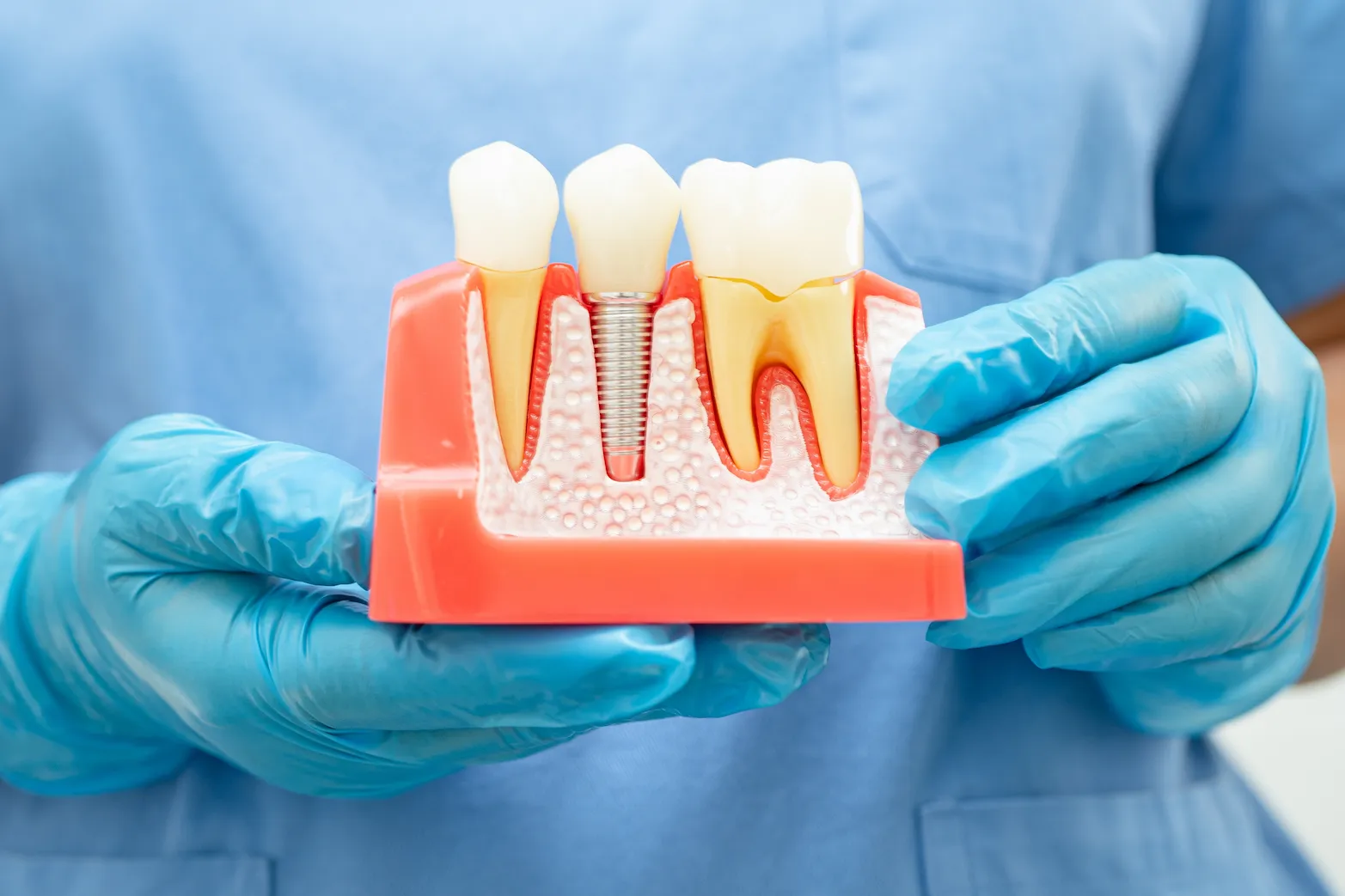
Dental implants are the closest thing to growing a new tooth. Once an implant integrates with your jawbone, it functions, feels, and looks like your natural dentition — not a removable appliance, not a bridge that depends on neighboring teeth. At Monteluz Dental Specialty Group in San Bernardino, our board-certified oral surgeons place implants for patients across the Inland Empire: Fontana, Rialto, Colton, Redlands, and the surrounding communities. If you've been putting off this decision because of cost, time, or uncertainty about whether you're a candidate, this page is written to answer those questions honestly.
Why Dental Implants
A gap in your smile isn't only cosmetic. Within the first year after tooth loss, the bone beneath that gap begins to resorb because there's no root providing the mechanical stimulation that keeps it dense. That bone loss changes bite dynamics, shifts adjacent teeth, and over time alters the shape of your jaw and face. A dental implant — a small titanium post placed surgically into the jawbone — stops that process. The post osseointegrates with your bone over several months, becoming a stable foundation for a crown, bridge, or full-arch prosthesis. Implants don't develop cavities, they don't depend on healthy adjacent teeth the way a traditional bridge does, and they're designed to last decades with routine dental care. For most patients who qualify, implants are the most durable, low-maintenance tooth-replacement option available.
Are You a Candidate?
Not everyone is a straightforward candidate, and we'd rather tell you that upfront than waste your time or money. The foundational requirements are enough jawbone volume to anchor the implant, healthy gums free of active periodontal disease, and overall health that supports surgical healing. Patients who smoke, have uncontrolled diabetes, take certain medications that affect bone density, or have had radiation to the jaw face higher complication rates — this doesn't automatically disqualify you, but it shapes the treatment plan. Younger patients whose jaws haven't finished developing aren't candidates yet. Many patients who were told years ago that they didn't have enough bone are now candidates thanks to bone grafting procedures that can rebuild the ridge before implant placement. The only way to know for certain is a clinical exam and a 3D cone beam CT scan, which we use at Monteluz to map your bone density, nerve location, and sinus anatomy before recommending anything.
Single Tooth, Bridge, or Full Arch
The right implant solution depends on how many teeth you're replacing and the condition of the bone and gums in that area. A single missing tooth is typically restored with one implant and one crown — simple, predictable, and it doesn't involve the teeth on either side. If you're missing several consecutive teeth, an implant-supported bridge can span that gap using two implants as anchors rather than crowning healthy natural teeth. For patients who have lost most or all of their teeth — or are at the point where saving remaining teeth no longer makes clinical sense — we offer All-on-4 full-arch reconstruction. All-on-4 uses four strategically placed implants to support a complete fixed arch of teeth. It's a significant procedure, but it eliminates the movement and discomfort of conventional dentures and gives patients back the ability to eat and speak with confidence. During your consultation we'll review which option fits your anatomy, your timeline, and your budget.
The Implant Process Step by Step
Implant treatment happens in stages, and understanding the timeline helps set realistic expectations. The process begins with a consultation and 3D imaging — this is where we assess bone volume, plan implant position, and identify whether any preparatory work like bone grafting or tooth extraction is needed first. If bone grafting is required, that procedure happens first, followed by a healing period typically ranging from three to six months before the implant can be placed. Implant placement itself is an outpatient surgical procedure done under local anesthesia, with sedation available for patients who prefer it. After placement, the implant undergoes osseointegration — a healing phase during which the titanium fuses with surrounding bone. This typically takes three to six months. Once integration is confirmed, we place an abutment and take impressions for your custom crown or prosthesis. From first consultation to final restoration, most straightforward single-implant cases take six to twelve months. Complex full-arch cases take longer. We'll map out your specific timeline during the planning appointment so there are no surprises.
What Implants Actually Cost
Dental implants cost more than dentures or bridges upfront — there's no way around that. A single implant with crown typically ranges from $3,000 to $5,000 in the Inland Empire depending on whether bone grafting, extractions, or other preparatory work is needed. Full-arch All-on-4 cases are substantially higher. Medi-Cal and Denti-Cal generally do not cover implants for most adult patients, though coverage rules do change and we verify your specific benefits at your consultation. What we do offer is financing through third-party lenders that can spread the cost into monthly payments many patients find manageable. We've found that patients who understand the total cost and timeline upfront make better decisions — so we provide written estimates before any treatment begins. If cost is a concern, bring it up directly at your consultation. There may be phased treatment options or alternative solutions that fit your situation better.
Implants vs. Dentures vs. Bridges
Each option solves the problem of a missing tooth differently, and each involves trade-offs. A traditional bridge is faster and costs less initially, but it requires permanently modifying two healthy adjacent teeth to serve as anchor crowns — a trade-off that affects those teeth for the rest of the patient's life. Bridges also don't address the bone loss underneath the gap. Removable dentures are the most accessible option by cost, but they rest on soft tissue, which means they move, require adhesives, and provide only a fraction of the biting force of natural teeth. Over time, the bone ridge beneath a denture continues to resorb, which changes the fit and the shape of your face. Implants preserve bone, don't affect neighboring teeth, and restore close to full biting function. The trade-off is cost and time — implants require surgery, a healing period, and a larger financial investment. For patients in good health who are committed to the timeline, they're generally the more durable long-term choice. For patients where surgery isn't feasible or cost is the overriding factor, we'll discuss which alternative gives you the best result for your situation.
Recovery and Healing
Implant placement is a surgical procedure, but most patients are back to light activity within a day or two. Swelling, soreness, and some bruising in the first three to five days are normal; most patients manage post-operative discomfort with over-the-counter medications, though prescription options are available. Soft foods are recommended for the first week or two. The longer healing phase — osseointegration — doesn't feel like much of anything. The implant is integrating quietly beneath your gum while you go about your normal life. We schedule follow-up appointments to monitor healing and confirm the implant is integrating before moving to the next stage. Smoking significantly slows healing and increases the risk of implant failure; we'll discuss this honestly if it applies to you. Full-arch cases involve a more complex recovery since more surgical work is done at once, but most patients are functional within a week and receive a provisional prosthesis while the final restoration is being made.
Schedule a Consultation
Monteluz Dental Specialty Group serves patients throughout San Bernardino, Fontana, Rialto, Colton, Redlands, and the broader Inland Empire. We've seen an increase in patients recently who are looking for a new specialist practice after their previous provider closed — if that's your situation, we're accepting new implant patients and can often get you in for a consultation the same week you call. Our team works in both English and Spanish, and we'll take the time to walk through your imaging, explain your options, and give you a written estimate before any treatment begins. Call us at (909) 567-2024 or use the appointment form on this page. There's no pressure and no commitment — the consultation is about giving you the information you need to decide what's right for you.
From our blog
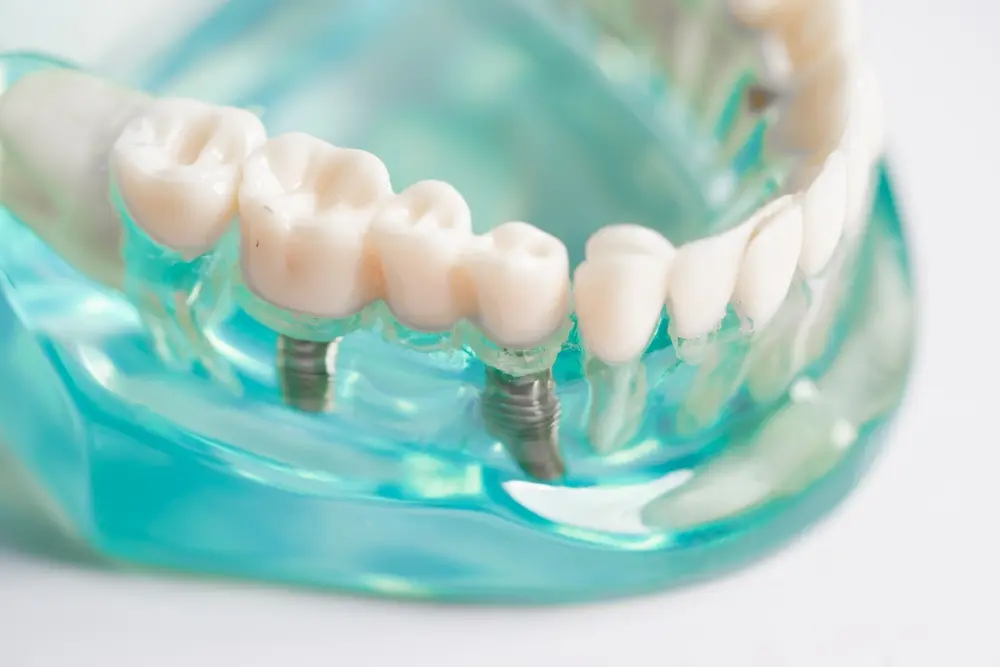
Dental Implant Aftercare for Optimal Healing
Simple steps to protect your investment and ensure your implant integrates beautifully.
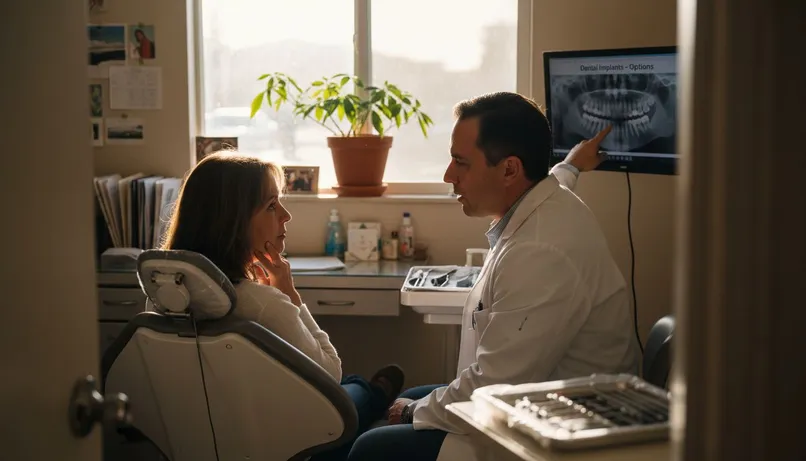
Why Choose Dental Implants in San Bernardino
Learn why dental implants are a top choice in San Bernardino. Explore benefits, types, costs, insurance, and key differences from dentures and bridges.
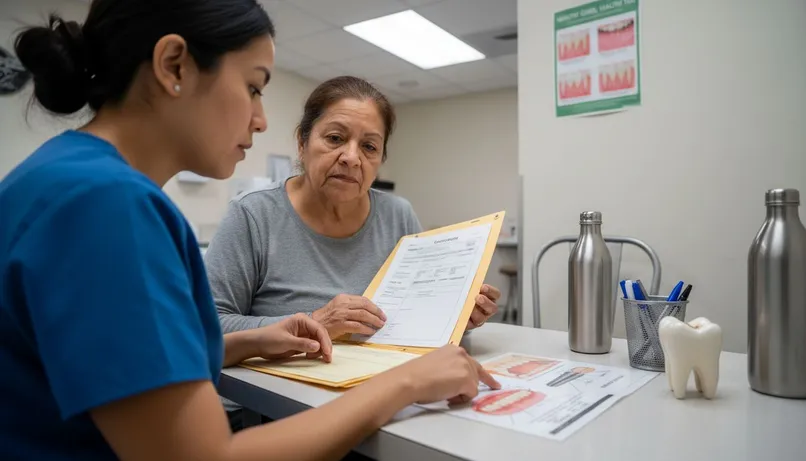
Dental implant guide 2026: 90% success for Denti-Cal patients
Complete dental implant guide for Denti-Cal and PPO patients in Southern California. Learn the step-by-step process, insurance tips, costs, and how to achieve 90% success rates with proper preparation and care.
Ready to be seen by a specialist?
Same-week appointments available. Most insurances accepted.