
Dental Bridges
Custom bridges that fill gaps and restore your bite.
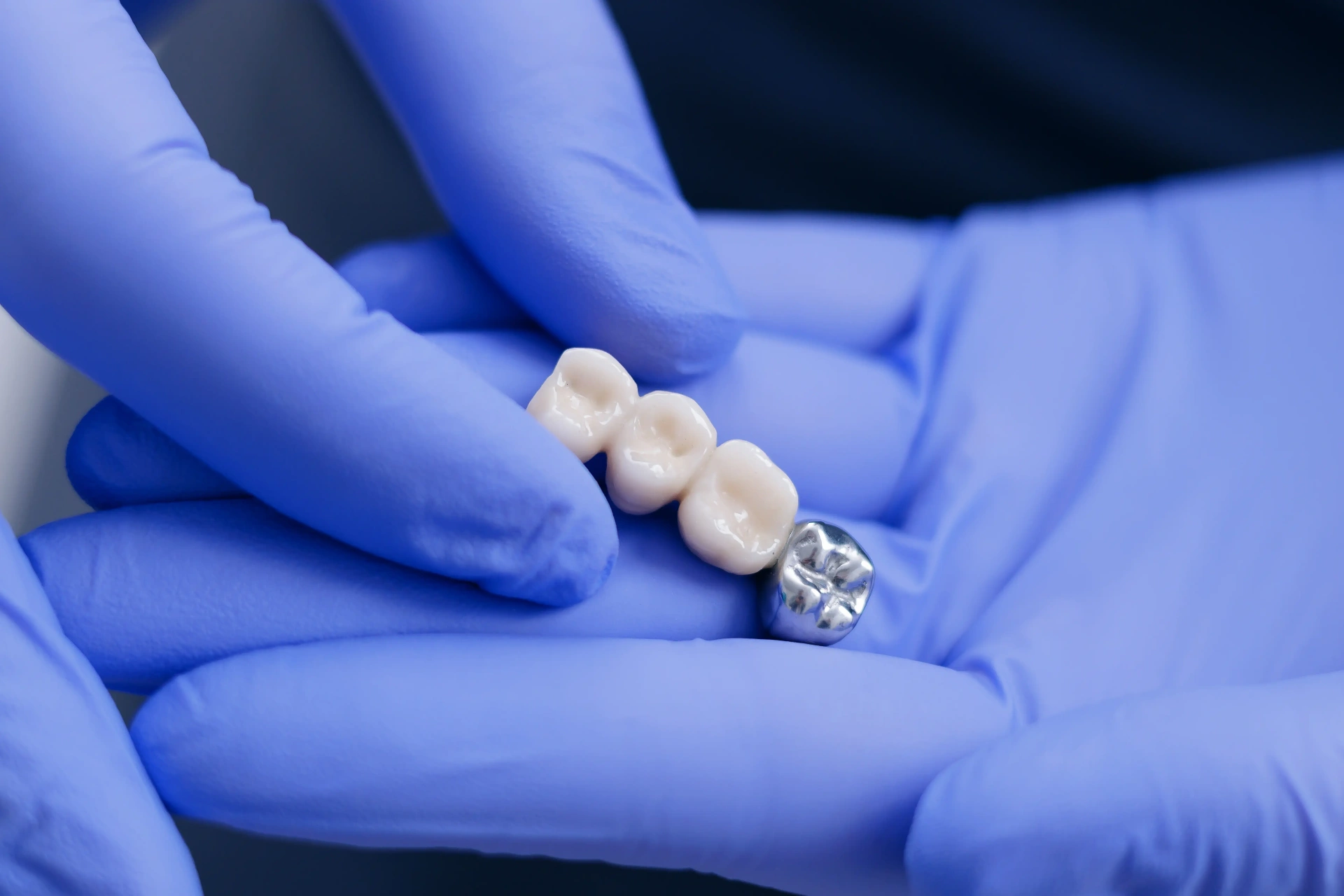
A missing tooth changes more than your smile. It shifts how you bite, how neighboring teeth sit in your jaw, and over time, how much bone you keep in that area. At Monteluz Dental Specialty Group in San Bernardino, our prosthodontists and oral surgeons see patients from across the Inland Empire — Fontana, Rialto, Colton, Redlands — who've been living with gaps for years, often because nobody explained their options clearly. A dental bridge is one of those options. It's not always the right one, and we'll tell you when it isn't. But for the right patient, a bridge restores function and appearance quickly, at a lower upfront cost than implants, with potential Medi-Cal or Denti-Cal coverage. Call (909) 567-2024 for a same-week consultation — in English or Spanish.
What Is a Dental Bridge?
A dental bridge is a fixed prosthetic that spans the space where one or more teeth are missing. It anchors to the teeth on either side of the gap — or to dental implants — and holds one or more artificial teeth (called pontics) in between. The result is a continuous row of teeth that looks natural and functions well for eating and speaking. Bridges have been used in dentistry for decades and remain a reliable, well-understood treatment. They're not a workaround or a compromise — for a lot of patients, they're genuinely the best fit. What matters is whether they're the right fit for you specifically, and that depends on the condition of your neighboring teeth, your bone health, and your long-term goals.
Traditional Bridge vs. Implant-Supported Bridge
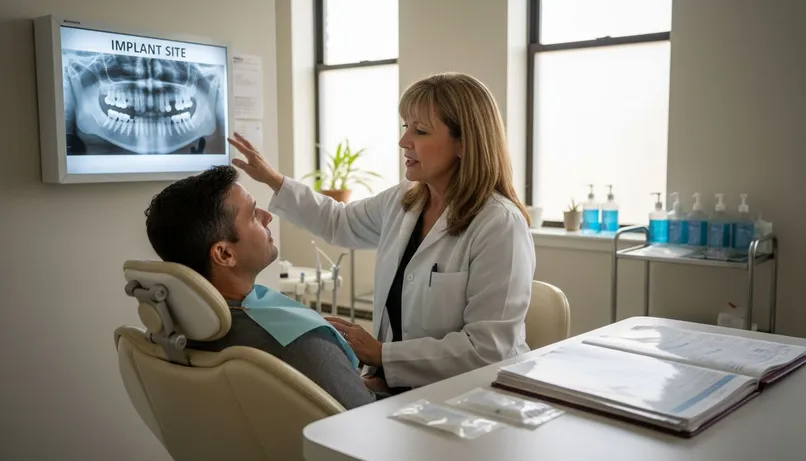
This is the comparison we spend the most time on, because the difference matters. A traditional bridge requires reshaping the teeth on either side of the gap — healthy enamel is removed so crowns can anchor the bridge. That's a real trade-off: once those teeth are prepared, they'll always need crowns. If the adjacent teeth already have large fillings or decay, the trade-off shrinks considerably. But if they're intact and healthy, you're permanently altering them. An implant-supported bridge avoids that entirely. Titanium posts go into the jawbone and the bridge attaches to those — no reshaping of neighboring teeth, and the implants preserve bone density over time, which a traditional bridge cannot do. Implant-supported bridges cost more upfront and involve a surgical phase, but for many patients — especially younger ones with healthy adjacent teeth — they're the smarter long-term investment. We offer both, and our prosthodontists will walk you through the comparison based on your actual X-rays.
Types of Bridges We Place
Traditional three-unit bridge: Two crowns anchor a pontic between them. Best when adjacent teeth already need crowning or implants aren't feasible. Implant-supported bridge: Posts go into the jawbone — no reshaping of neighboring teeth, and bone is preserved over time. Maryland bridge (resin-bonded): Metal or porcelain wings bond to the backs of adjacent teeth with minimal reshaping — used for specific front-tooth situations. Implant-supported span bridge: For patients missing three or more consecutive teeth. Two implants support a multi-unit bridge without an implant at every position. Our oral surgeons handle implant placement and our prosthodontists handle the fabrication — both in-house in San Bernardino.
The Bridge Process
A traditional bridge typically takes two to three appointments over two to four weeks. At the first visit we prepare the anchor teeth, take impressions, and place a temporary bridge while the lab fabricates your permanent one. When it's ready, we check the fit and bite before cementing. For an implant-supported bridge the timeline is longer — usually three to six months — because the posts need time to integrate. The same providers follow your case from start to finish.
How Long Do Bridges Last?
A well-made traditional bridge typically lasts 10 to 15 years with proper care. Failure usually starts at the margins where crowns meet the gum line — that's where plaque builds and where we focus during checkups. Implant-supported bridges generally outlast traditional ones. The posts can last a lifetime if they integrate well; the crown and pontic still wear over time, but the foundation is more stable. Daily flossing under the bridge, regular cleanings, and avoiding excessive stress on the restoration all extend its life.
Bridges and Medi-Cal Coverage
Medi-Cal Dental (Denti-Cal) covers fixed bridges for eligible adults in some circumstances, but prior authorization is typically required. We work with Denti-Cal directly and verify your benefits before treatment begins. If your bridge isn't covered or only partially covered, we'll tell you upfront with a clear out-of-pocket estimate. We see many families from San Bernardino, Rialto, and Colton who rely on Medi-Cal, and we're straightforward about what it covers.
Schedule a Consultation
If you're missing one or more teeth and want to understand your options — bridges, implants, or both — call Monteluz Dental Specialty Group at (909) 567-2024. Same-week consultations available in San Bernardino. Our team is bilingual in English and Spanish. If a bridge is the right answer, we can place it here. If an implant is the better long-term call, we'll tell you that too.
Ready to be seen by a specialist?
Same-week appointments available. Most insurances accepted.