
Dental Crowns
Custom crowns that protect and restore damaged teeth.
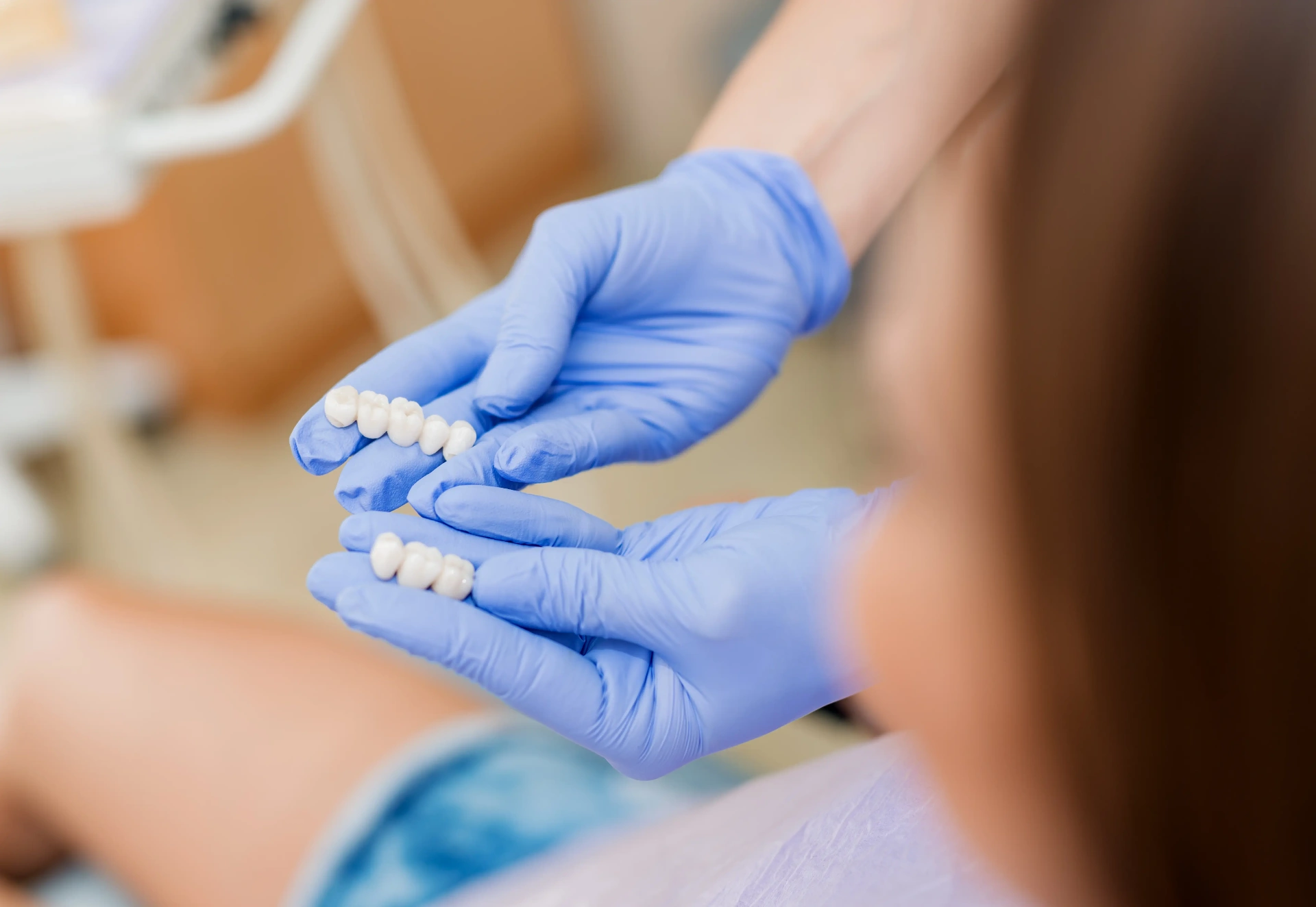
A dental crown is a full-coverage cap that fits over a damaged or weakened tooth to restore its shape, function, and structural integrity. At Monteluz Dental Specialty Group in San Bernardino, crowns are placed by board-certified specialists — not general dentists rotating through a procedure they do occasionally. We see patients from across the Inland Empire: Fontana, Rialto, Colton, Redlands, and the surrounding communities. Most people who come in for a crown consultation leave the same week with a clear treatment plan. If you have questions in Spanish, our bilingual team is here for that too. Call us at (909) 567-2024.
When Does a Tooth Need a Crown?
Not every damaged tooth needs a crown, but several situations make it the right call. The most common is after a root canal — once the nerve is removed, the tooth becomes brittle, and a crown protects it from fracturing under chewing pressure. A crown is also the standard treatment for a cracked tooth that has split deep enough that a filling won't hold the pieces together. Severely decayed teeth where too little healthy structure remains for a filling are another clear indication. And if you're getting a dental implant, the crown is the visible part that sits on top of the implant post. What a crown is not: a fix for active infection or bone disease that hasn't been treated. Those get addressed before any crown goes on.
Crown Materials — What's the Difference?
Material choice depends on where the tooth is, how much bite force it takes, what your insurance covers, and what you're willing to spend. Porcelain (all-ceramic) crowns look the most like a natural tooth and are a reasonable choice for front teeth. The tradeoff is that porcelain is the most prone to chipping under heavy biting force, so we don't routinely place them on second molars in patients who clench or grind. Zirconia crowns are now the most common choice for back teeth — they handle molar forces well without the chipping risk. PFM (porcelain-fused-to-metal) crowns have a metal base with a porcelain layer on top. The metal margin can become visible at the gumline as gums recede, and the porcelain can chip. We still use PFMs when cost is a significant factor. Gold crowns are the best-performing material for posterior teeth under heavy load — gold wears similarly to natural enamel and seals margins well. Some Denti-Cal authorizations specifically cover gold or PFM for back teeth.
The Crown Process
Most crowns take two appointments. At the first visit, the tooth is shaped — a small amount of enamel is removed from all sides to make room for the crown — and an impression or digital scan is taken. A temporary crown protects the tooth while the permanent one is fabricated. At the second appointment, the temporary comes off, the permanent crown is checked for fit and bite, adjusted as needed, and cemented in place. The shaping appointment is done under local anesthetic. Most patients feel pressure but not pain. Some sensitivity after the anesthetic wears off is normal for a few days. If the tooth needs significant buildup before a crown will fit, that's handled at the first appointment.
How Long Do Crowns Last?
Studies generally put crown survival at 10 to 15 years for a well-placed crown under normal conditions — many last longer, some fail sooner. What actually determines longevity: the fit at the margin (where crown meets tooth), the material, and your home care. Margins fail — that's the primary mode of crown failure. Bacteria get under a loose or open margin, decay starts underneath, and eventually the crown has to come off. Bruxism (grinding or clenching) shortens crown life significantly. If you grind at night, we'll discuss a night guard as part of the same treatment plan. Flossing around crowns matters too — the gumline still accumulates plaque, and gum disease will undermine even a well-made crown.
Crowns and Medi-Cal Coverage
Denti-Cal covers crowns when treatment is medically necessary — meaning a filling is not adequate to save the tooth. The most commonly approved situations are teeth with insufficient remaining structure, teeth following root canal treatment, and documented fractures. Prior authorization is required. We submit the documentation in-house and will tell you the outcome before scheduling your prep appointment. Denti-Cal typically covers PFM or gold for posterior teeth. All-porcelain and zirconia are not always approved. If your preferred material isn't covered, we'll give you a clear out-of-pocket figure for the difference. Call (909) 567-2024 to check your eligibility before you come in.
Schedule a Consultation
Monteluz Dental Specialty Group is in San Bernardino and sees patients from Fontana, Rialto, Colton, Redlands, and the surrounding Inland Empire. Same-week consultations are available in most cases. Our team speaks English and Spanish. Call (909) 567-2024 to schedule.
From our blog
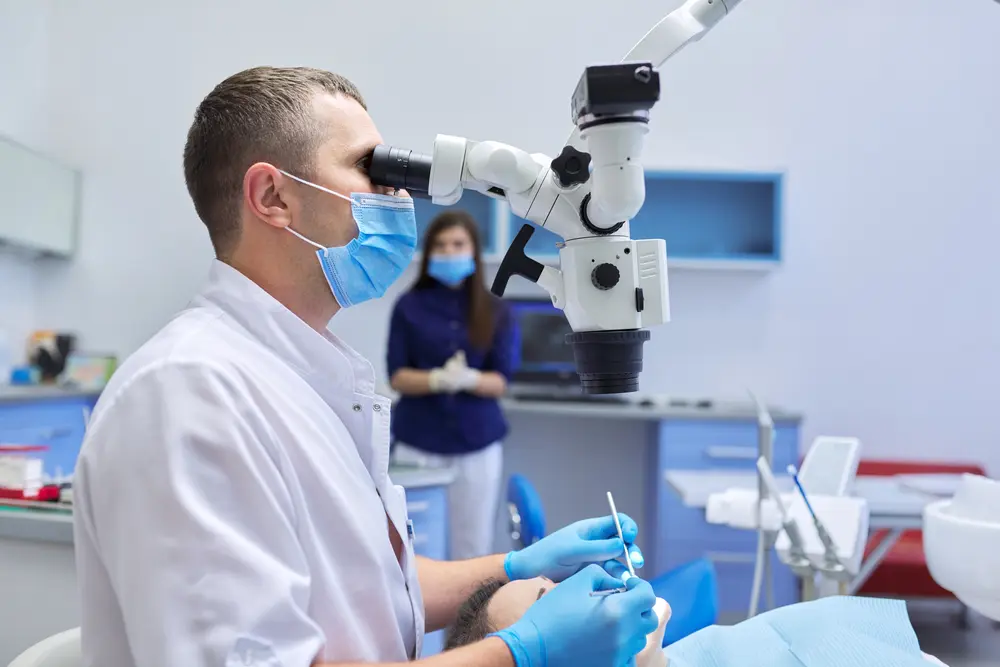
What Is Endodontics? A Modern Root Canal Care Guide
Endodontics is the dental specialty dedicated to saving natural teeth. Here's how modern root canal therapy works.
Why get root canal therapy: save your natural teeth
Discover why root canal therapy saves your natural teeth more affordably than extraction. Learn success rates, costs, and how to preserve your smile in San Bernardino.
Ready to be seen by a specialist?
Same-week appointments available. Most insurances accepted.