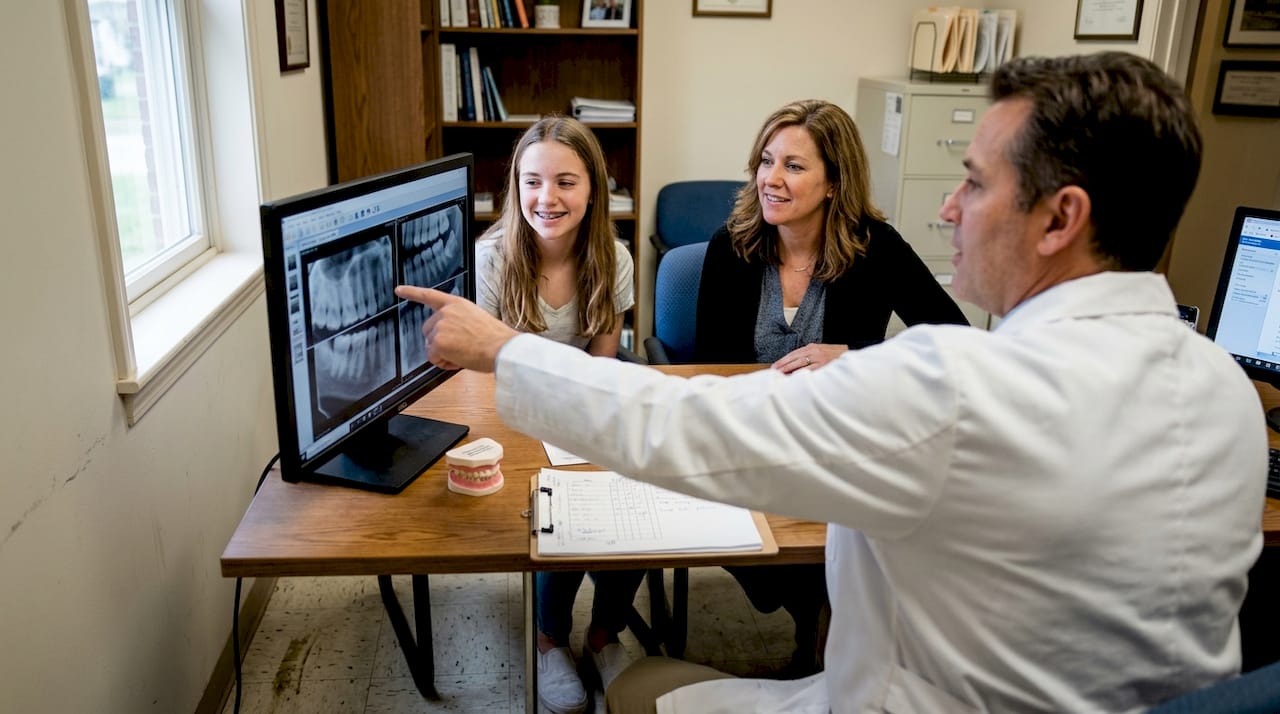
You’ve probably heard horror stories about root canals, or maybe you’ve been told you need one and are considering extraction instead. Many people assume pulling a tooth is simpler and cheaper than root canal therapy. But here’s what often gets overlooked: preserving your natural tooth through root canal therapy can save you money, protect your jawbone, and maintain your smile’s function far better than extraction. This guide explains why root canal therapy is often the smarter choice for your oral health and wallet, especially for families seeking affordable dental care in San Bernardino.
Table of Contents
- Key takeaways
- What root canal therapy is and how it works
- Why preserving your natural teeth matters
- Success rates, risks, and when extraction is necessary
- How root canal therapy fits into affordable dental care options
- Explore affordable root canal therapy and dental care in San Bernardino
- Frequently asked questions about root canal therapy
Key Takeaways
| Point | Details |
|---|---|
| Preserve natural tooth | Root canal therapy saves the natural tooth and helps protect the jawbone compared with extraction. |
| Short treatment timeline | Most root canals are completed in one to three visits, with appointments typically lasting 30 to 90 minutes. |
| Crown restoration essential | A proper restoration such as a crown protects the treated tooth and reduces fracture risk. |
| Extraction risks | Removing a tooth can lead to jawbone loss and misalignment as neighboring teeth shift. |
| Crown timing tip | Schedule crown placement promptly after therapy to prevent fractures and protect the treated tooth. |
What root canal therapy is and how it works
Root canal therapy, also known as endodontic treatment, is a procedure that removes infected or damaged pulp from inside your tooth to save the natural structure. The pulp contains nerves and blood vessels that can become inflamed or infected due to deep decay, cracks, or trauma. Instead of extracting the entire tooth, endodontic specialists clean out the damaged tissue, seal the tooth, and restore it so you can keep using it normally.
Root canal therapy involves diagnosis with X-rays, local anesthesia, pulp removal, canal cleaning and shaping, disinfection, filling, and restoration. Each step is designed to eliminate infection while preserving as much of your natural tooth as possible. Modern techniques and tools make the process more comfortable and predictable than ever before.
Here’s what happens during a typical root canal procedure:
- Your dentist takes X-rays to assess the infection and plan treatment
- Local anesthesia numbs the area so you feel no pain during the procedure
- A small opening is made in the tooth’s crown to access the pulp chamber
- Infected or damaged pulp tissue is carefully removed using specialized instruments
- The root canals are cleaned, shaped, and disinfected to eliminate bacteria
- The canals are filled with a biocompatible material called gutta-percha
- A temporary or permanent filling seals the opening
- A crown or other restoration is placed to protect and strengthen the tooth
Most root canal treatments are completed in one to three visits, with each appointment lasting 30 to 90 minutes depending on the tooth’s complexity. Front teeth typically require less time than molars, which have multiple roots and canals.
Key factors that influence treatment success include:
- Quality of the initial cleaning and sealing
- Placement of a proper restoration like a crown
- Your oral hygiene habits after treatment
- Whether infection was present before the procedure
- The skill and experience of your endodontist
Pro Tip: Schedule your crown placement as soon as possible after root canal therapy. Teeth without crowns are more likely to fracture, which can compromise the entire treatment and require extraction.
Why preserving your natural teeth matters
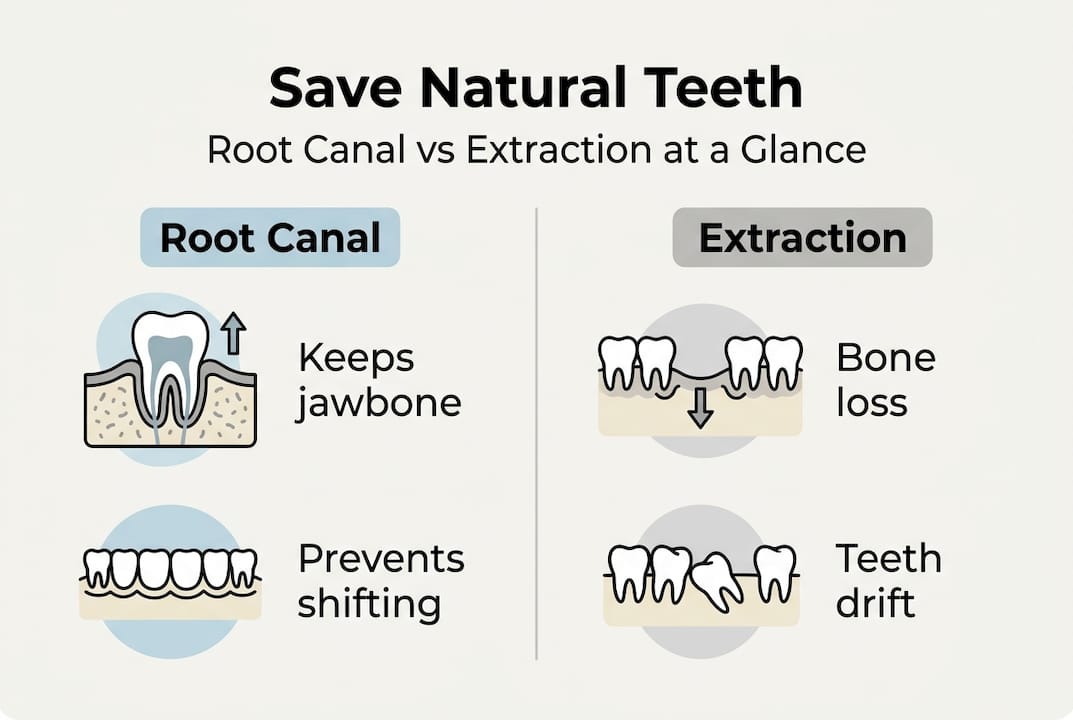
When you extract a tooth, you’re not just removing the visible crown above your gumline. You’re also eliminating the root that stimulates your jawbone and keeps it healthy. Root canal therapy preserves your natural tooth, preventing adjacent teeth from shifting, stopping jawbone deterioration, and maintaining proper chewing function and aesthetics. These benefits compound over time, protecting your oral health and saving you from expensive complications down the road.

Extraction creates a gap that affects your entire mouth. Adjacent teeth begin drifting into the empty space, which can cause misalignment, bite problems, and difficulty cleaning between teeth. The opposing tooth may also erupt further because it no longer has contact with its partner, leading to uneven wear and additional dental issues.
Your jawbone needs stimulation from tooth roots to maintain its density and volume. Without that stimulation, the bone gradually resorbs and shrinks. This bone loss can change your facial structure, create a sunken appearance, and make future dental work more complicated and costly. Dental implants, which are often needed to replace extracted teeth, require sufficient bone volume. If you’ve lost too much bone, you may need grafting procedures before implant placement.
Here’s how root canal therapy compares to extraction plus replacement:
| Factor | Root canal therapy | Extraction plus implant |
|---|---|---|
| Preserves natural tooth | Yes | No |
| Prevents bone loss | Yes | Implant helps, but initial loss occurs |
| Number of procedures | 1-3 visits | Multiple surgeries over several months |
| Recovery time | Minimal | Weeks to months |
| Maintains natural bite | Yes | Requires adjustment period |
| Long-term durability | Decades with proper care | Decades, but more variables |
The financial difference is significant too. A root canal with crown typically costs between $700 and $2,000 depending on the tooth and your location. A dental implant, on the other hand, can run $3,000 to $6,000 or more when you factor in extraction, bone grafting if needed, implant placement, and the final crown. Bridges and partial dentures also carry ongoing costs for adjustments and replacements.
Natural teeth offer benefits that even the best prosthetics can’t fully replicate:
- Better sensory feedback when biting and chewing
- No risk of implant failure or rejection
- Easier maintenance with regular brushing and flossing
- No need for special cleaning tools or techniques
- Lower risk of complications like nerve damage or sinus issues
If you’re weighing your options, consider reading about root canal myths debunked to separate fact from fiction. Understanding tooth extraction scenarios can also help you recognize when extraction truly is necessary versus when root canal therapy is the better path.
Success rates, risks, and when extraction is necessary
Root canal therapy has proven highly effective, but like any medical procedure, outcomes depend on multiple factors. Success rates range from 85% to 92% for initial treatment, with lower rates for retreatment, and worse outcomes when periapical lesions are present before the procedure. Modern diagnostic tools and techniques continue to improve these numbers, especially when treatment is performed by experienced specialists.
Several factors influence whether your root canal will succeed:
- Extent of infection or damage before treatment
- Complexity of your tooth’s canal system
- Quality of the cleaning and sealing process
- How quickly you get a permanent restoration placed
- Your immune system’s ability to heal
- Whether you maintain good oral hygiene afterward
Complications can occur, though they’re relatively uncommon. Instrument separation happens when a file breaks inside the canal during cleaning. Most separated instruments don’t affect treatment success if they’re beyond the area of infection, but they may require specialist intervention. Persistent infection can develop if bacteria remain in complex canal anatomy or if new decay forms around the restoration.
Here’s what research shows about root canal outcomes:
| Scenario | Success rate | Notes |
|---|---|---|
| Initial treatment, no lesion | 90-95% | Best prognosis |
| Initial treatment with lesion | 80-85% | Lower but still favorable |
| Retreatment | 70-80% | More challenging |
| Surgical endodontics | 85-90% | When retreatment isn’t feasible |
If your initial root canal doesn’t fully resolve the infection, retreatment is often possible. Your endodontist can reopen the tooth, remove the previous filling material, clean the canals more thoroughly, and reseal them. Surgical options like apicoectomy, where the root tip is removed and sealed from the bottom, can address persistent issues that don’t respond to conventional retreatment.
Pro Tip: Watch for warning signs after root canal therapy like severe pain that doesn’t improve after a few days, swelling that gets worse instead of better, or a foul taste in your mouth. These symptoms warrant immediate follow-up with your dentist.
Sometimes extraction really is the right choice. Teeth that are fractured below the gumline, severely decayed with insufficient structure for a crown, or affected by advanced gum disease may not be salvageable. If the root is cracked vertically, root canal therapy typically won’t succeed because bacteria can continue entering through the fracture.
“The decision between root canal therapy and extraction should be based on the tooth’s restorability, the patient’s overall health, and long-term prognosis. When a tooth can be saved, preservation is almost always preferable to extraction.” — American Association of Endodontists
Your dentist will evaluate factors like remaining tooth structure, bone support, and your overall dental health when recommending treatment. Being honest about your symptoms, medical history, and concerns helps ensure you get the most appropriate care. For ongoing care after treatment, check out these root canal care tips to maximize your results. You can also learn more about root canal treatment complications from endodontic specialists.
How root canal therapy fits into affordable dental care options
For families in San Bernardino seeking quality dental care without breaking the bank, root canal therapy often represents the most cost-effective solution for saving an infected tooth. Root canal therapy plus a crown typically costs $700 to $2,000, while implants cost significantly more, and root canal therapy is less invasive with similar short-term survival rates. This price difference becomes even more significant when you factor in the multiple procedures and longer recovery time associated with extraction and replacement.
The financial advantages extend beyond the initial treatment cost. When you preserve your natural tooth, you avoid the cascading expenses that often follow extraction. Adjacent teeth won’t shift and require orthodontic correction. You won’t need bone grafting to maintain jaw structure. Your bite stays balanced, reducing wear on other teeth that might otherwise need crowns or other restorations.
Dental membership plans offer another layer of affordability for families without traditional insurance. These programs typically provide:
- Discounted rates on procedures like root canals and crowns
- No waiting periods or claim denials
- Preventive care coverage that catches problems early
- Predictable monthly costs that fit family budgets
- Access to specialist care when you need it
Timely treatment prevents small problems from becoming major expenses. A tooth that needs a simple filling today might require root canal therapy if you wait six months. That same tooth could become unrestorable and need extraction plus an implant if you delay treatment for a year. Catching issues early through regular checkups and addressing them promptly saves money and preserves your natural teeth.
Root canal therapy also offers practical advantages beyond cost. The procedure requires less recovery time than extraction and implant placement, so you can return to normal activities faster. You don’t need to adjust to eating with a prosthetic tooth or learn special cleaning techniques. Your natural tooth continues functioning just as it did before, maintaining your smile’s appearance and your confidence.
Families benefit from the preventive approach that root canal therapy represents. Teaching children that teeth can be saved rather than simply pulled encourages better oral health habits. When kids see that dental problems have solutions beyond extraction, they’re more likely to seek care early and maintain their natural teeth throughout life.
Explore affordable dental membership plans designed for San Bernardino families, or learn more about affordable root canals and what to expect from treatment. These resources help you make informed decisions about your family’s dental care.
Explore affordable root canal therapy and dental care in San Bernardino
Now that you understand why root canal therapy preserves your natural teeth more effectively and affordably than extraction, it’s time to connect with providers who can deliver expert care tailored to your family’s needs. Monteluz Dental Specialty Group combines advanced endodontic expertise with accessible pricing and flexible payment options, making quality root canal therapy available to San Bernardino families.
Our endodontic specialists in San Bernardino use modern techniques and technology to ensure comfortable, successful root canal treatments. We accept Denti-Cal, PPO, and HMO insurance plans, and our affordable dental membership plans start at just $20 per month for uninsured patients. If you need additional restorative work, we also provide dental implants for missing teeth and comprehensive crown services. Our bilingual team serves the Inland Empire with personalized care that fits your schedule and budget.
Frequently asked questions about root canal therapy
Is root canal therapy painful and how long does it take?
Modern root canal therapy is no more uncomfortable than getting a filling, thanks to effective local anesthesia and advanced techniques. Most treatments are completed in one to three visits lasting 30 to 90 minutes each, depending on which tooth is being treated and how complex its canal system is.
What’s the difference between root canal therapy and tooth extraction?
Root canal therapy removes infected pulp while preserving your natural tooth, root, and surrounding bone structure. Extraction removes the entire tooth, leading to bone loss, potential shifting of adjacent teeth, and the need for costly replacements like implants or bridges to maintain function and appearance.
Does insurance cover root canal therapy and what if I don’t have coverage?
Most dental insurance plans cover a significant portion of root canal therapy, typically 50% to 80% after your deductible. If you don’t have insurance, dental membership plans offer discounted rates on endodontic treatment, and many practices provide flexible payment options to make care affordable.
How do I care for my tooth after root canal therapy?
Brush and floss normally, avoiding hard or sticky foods for a few days after treatment. Get your permanent crown placed promptly to protect the tooth from fracture. Attend regular dental checkups so your dentist can monitor the treated tooth and catch any issues early.
What signs indicate I might need root canal therapy?
Persistent tooth pain, especially when chewing or applying pressure, sensitivity to hot or cold that lingers after the stimulus is removed, swelling or tenderness in nearby gums, darkening of the tooth, or a pimple-like bump on your gums near the tooth are all potential indicators. Schedule an evaluation if you experience any of these symptoms.
Can a tooth that’s had root canal therapy last as long as a natural tooth?
Yes, with proper restoration and care, a tooth treated with root canal therapy can last a lifetime. The key is getting a quality crown placed soon after treatment, maintaining excellent oral hygiene, and visiting your dentist regularly for checkups and cleanings.
Recommended
- What is endodontics? Root canal care guide for 2026
- Expert endodontist care: save teeth with root canals
- Root Canal Myths Root Canal Facts Painless Root Canal