
Tooth Extraction
Expert simple and surgical extractions performed with care, comfort, and precision.
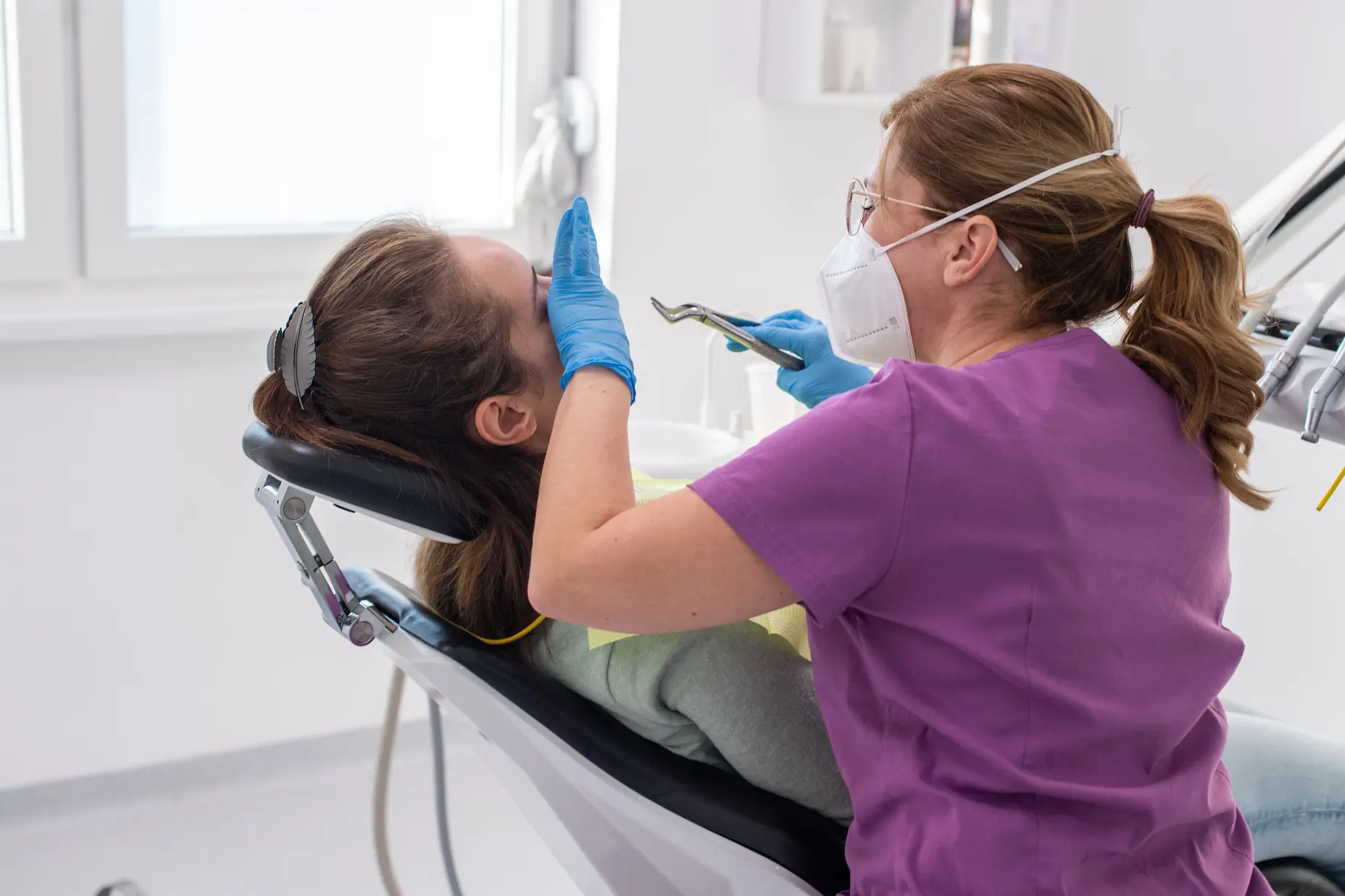
If a tooth has gotten to the point where it can't be saved — whether from deep decay, a bad infection, or a wisdom tooth that just won't come in right — the best thing you can do is deal with it before it turns into a bigger problem. At Monteluz Dental Specialty Group in San Bernardino, we have board-certified oral surgeons on staff who handle extractions every week, from straightforward pulls to more complex cases. We see a lot of Inland Empire families who've been putting this off because they're worried about pain, cost, or finding someone who accepts their insurance. We do accept Medi-Cal and Denti-Cal, and we can usually get you in the same week you call. The number is (909) 567-2024.
Why Tooth Extraction May Be Necessary
Most people don't want to hear that a tooth needs to come out. Honestly, neither do we — saving a tooth is almost always the first goal. But sometimes decay has gone too deep, an infection has spread to the bone, or a tooth is so badly cracked that there's nothing left to build on. Overcrowding is another reason, especially when someone is starting orthodontic treatment and there isn't enough room for teeth to move properly. Impacted wisdom teeth are probably the most common situation we see. When a wisdom tooth is stuck under the gum or pressing into the tooth next to it, leaving it in place usually just delays pain and creates more damage. Once the decision is made that an extraction is the right call, getting it done quickly is almost always better than waiting.
Types of Tooth Extractions
There are two basic types. A simple extraction is done on a tooth that has already fully come through the gum — the dentist loosens it, then removes it. This is the most common type and is done under local anesthetic. A surgical extraction is more involved and is used when a tooth is broken at the gum line, hasn't fully erupted, or has roots that curve in a way that makes a straight pull impossible. Our oral surgeons handle both types. If your case requires surgical extraction, that's not a reason to go somewhere else — it just means we plan a little differently upfront so the procedure goes smoothly.
Wisdom Teeth Extractions
Wisdom tooth removals are something we do regularly here. For patients in San Bernardino, Fontana, Rialto, Colton, and Redlands, we're one of the few specialty practices in the area that has board-certified oral surgeons on-site for these cases — you're not being referred out. Wisdom teeth that are fully impacted require surgical removal. We'll take a cone beam X-ray to see exactly how the roots are positioned before we start, which helps us avoid the nerves and structures nearby. Most patients are nervous about this one in particular. That's fair — it's more than a simple extraction. We'll walk you through what sedation options are available, what the recovery actually looks like, and what to watch out for afterward.
The Tooth Extraction Process
When you come in, we start by reviewing your X-rays and going over your health history, including any medications you're taking — some of these affect healing or interact with anesthesia, so it matters. Local anesthetic is standard for all extractions. For surgical cases or patients with dental anxiety, we'll talk through sedation options before the appointment. The extraction itself usually takes anywhere from a few minutes to about 30 minutes depending on complexity. You'll feel pressure during the procedure — that's normal — but you shouldn't feel sharp pain. If you do, tell us immediately. Once the tooth is out, we place gauze over the socket and give you instructions before you leave. Our staff speaks both English and Spanish, so if it's easier to go through post-op instructions in Spanish, just ask.
Aftercare Instructions for Tooth Extraction
The first 24 hours matter most. Keep the gauze in place and bite down firmly for about 30 to 45 minutes after you leave. Don't rinse, spit forcefully, or use a straw — all of that can dislodge the clot forming in the socket, which leads to dry socket, and that's genuinely painful. Eat soft foods: yogurt, mashed potatoes, eggs, soup (not too hot). Avoid anything crunchy or chewy on that side for a few days. Take whatever pain medication we prescribe or recommend, and start it before the anesthetic wears off — don't wait until you're already hurting. If you smoke, we'll be straightforward with you: smoking significantly increases the risk of dry socket and slows healing. The longer you can hold off after the procedure, the better.
Recovery Timeline
For a simple extraction, most people feel back to normal within three to five days. The socket takes longer to fully close — usually a few weeks — but the soreness and swelling drop off fairly quickly. Surgical extractions, including impacted wisdom teeth, typically involve more swelling for the first two to three days. The peak swelling often hits on day two, not day one, so don't be alarmed if you feel worse the day after than you did the evening of. Ice packs help with swelling in the first 24 hours; after that, warm compresses do more. If you're still having significant pain after a week, or if you notice a bad taste, an unpleasant smell, or an empty-looking socket, call us — those are signs of dry socket or infection that we need to treat.
Replacement Options After Extraction
We bring this up before you leave, not as an afterthought. When a tooth is removed — especially a visible one — the surrounding teeth can shift over time, the bone in that area starts to shrink, and bite problems can develop. A dental implant is the most stable long-term replacement because it integrates with the jawbone and functions like a natural tooth. A bridge is another option if the teeth on either side are healthy enough to support it. For patients who aren't candidates for implants or need something more affordable in the short term, a partial denture is worth discussing. We won't push you toward the most expensive option — we'll tell you what makes sense given your mouth, your health history, and what's realistic for your situation.
Is Tooth Extraction Right for You?
That's something we determine together at your consultation. If there's any chance a tooth can be saved with a root canal, crown, or other treatment, we'll tell you that first. Extraction is a last resort for a tooth that's already failing — not something we recommend unless it's clearly the right call. If you've been told by another provider that a tooth needs to come out and you want a second opinion, we're fine with that too. Bring your X-rays if you have them. We see patients from across the Inland Empire who were referred here specifically because they needed a specialist's evaluation before making a decision this permanent.
Schedule Your Consultation Today
If you're in pain or have been putting off dealing with a tooth you know is a problem, don't wait until it becomes an emergency. Call Monteluz Dental Specialty Group at (909) 567-2024. We're located in San Bernardino and serve patients from Fontana, Rialto, Colton, Redlands, and throughout the Inland Empire. We accept Medi-Cal and Denti-Cal, and same-week appointments are available for urgent situations. Our team speaks English and Spanish — whoever answers the phone can help you get scheduled.
From our blog
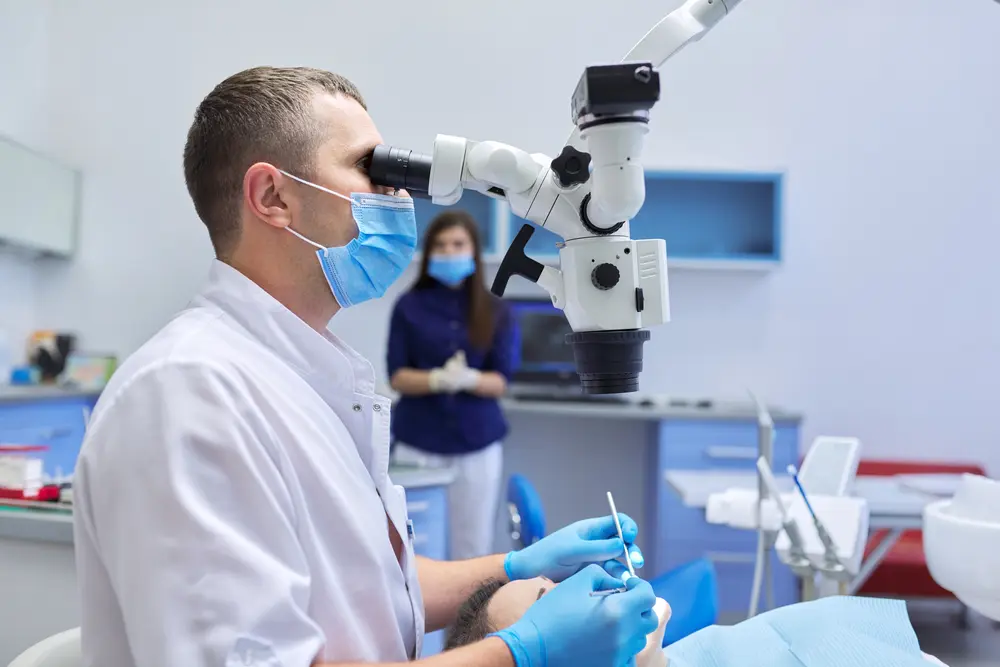
What Is Endodontics? A Modern Root Canal Care Guide
Endodontics is the dental specialty dedicated to saving natural teeth. Here's how modern root canal therapy works.
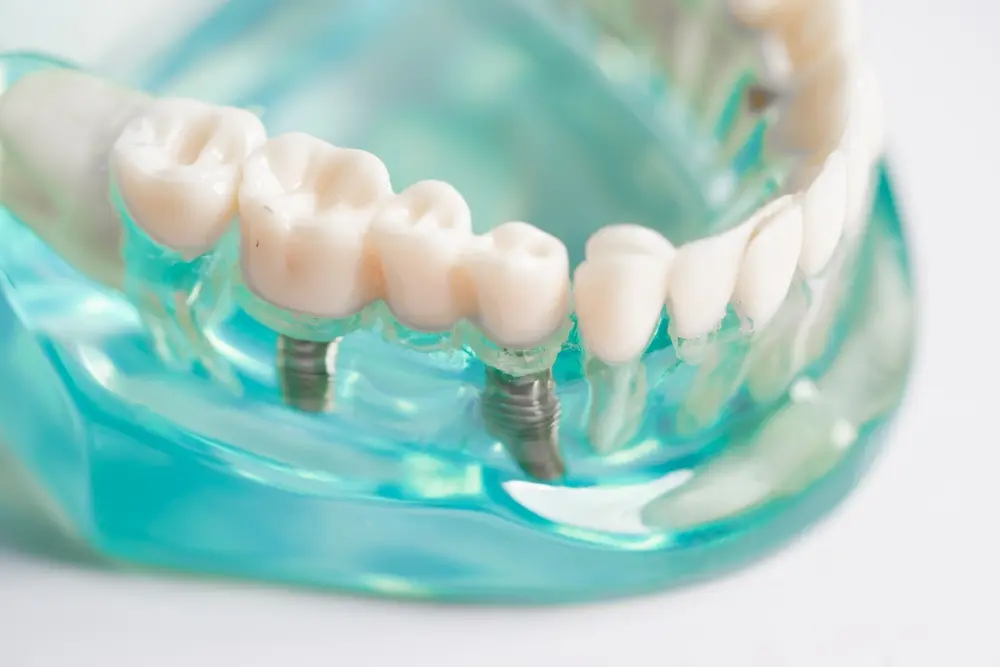
Dental Implant Aftercare for Optimal Healing
Simple steps to protect your investment and ensure your implant integrates beautifully.
Ready to be seen by a specialist?
Same-week appointments available. Most insurances accepted.