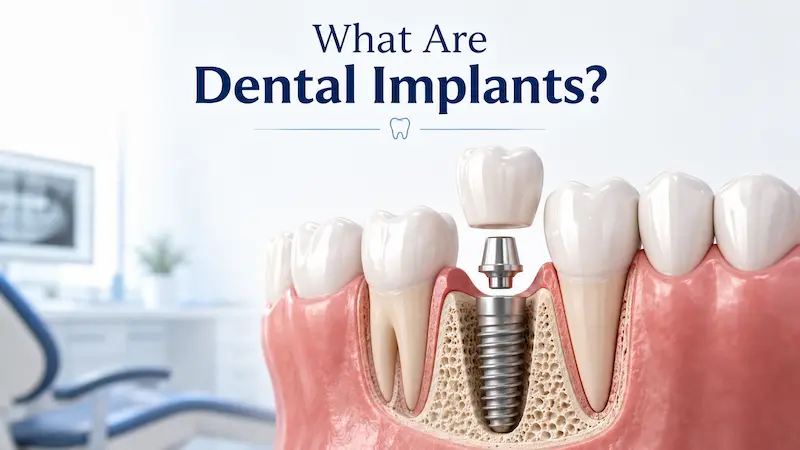
Dental implants are one of the most successful procedures in modern dentistry, with long-term success rates above 95%. But that success depends as much on what you do at home in the weeks after surgery as on the procedure itself. Here's the aftercare plan we give every implant patient at Monteluz Dental Specialty Group.
The first 24 hours
- Bite gently on the gauze pad for 30–60 minutes to help the clot form
- Apply an ice pack to the cheek in 20-minute intervals to limit swelling
- Eat only soft, cool foods — yogurt, smoothies, mashed potatoes, scrambled eggs
- Avoid drinking through a straw, which can dislodge the clot
- Do not rinse, spit, or smoke for the rest of the day
- Take prescribed medication on the schedule we provide
Days 2 through 7
Swelling and minor bruising typically peak around day three and resolve by the end of the first week. Begin gentle warm salt-water rinses (one teaspoon of salt in a cup of warm water) two to three times a day to keep the surgical site clean. You can return to most normal activities, but avoid vigorous exercise and heavy lifting for at least 72 hours.
Continue eating soft foods and chew on the opposite side of your mouth. Brush your other teeth normally, but be careful around the surgical site — we'll show you exactly how.
Weeks 2 through 12
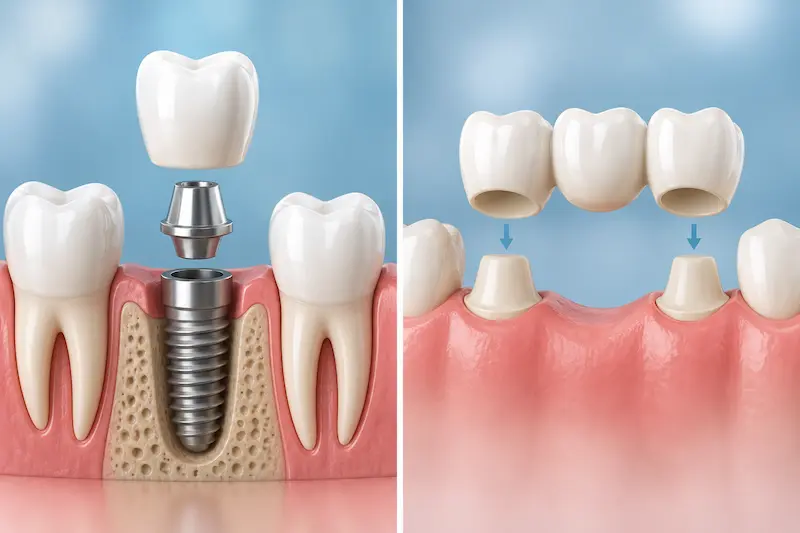
This is when osseointegration happens — the implant fuses with your jawbone to become a permanent foundation for your new tooth. The process is invisible but critical. Avoid any chewing pressure on the implant site, follow up at every appointment we schedule, and keep up impeccable oral hygiene.
Long-term care
Once your final crown is placed, treat the implant like a natural tooth: brush twice a day, floss daily (we'll recommend a floss designed for implants), and visit us every six months for a professional cleaning and exam. With this routine, your implant should last decades — many patients enjoy theirs for life.
When to call us
Contact our office immediately if you notice severe pain that worsens after day three, swelling that grows instead of shrinking, fever, or unusual bleeding. Quick action prevents small problems from becoming big ones.
Habits that protect your implant for life
Smoking is the single biggest threat to long-term implant success — nicotine restricts blood flow to the surgical site and dramatically increases the risk of failure during osseointegration. If you smoke, the weeks around your procedure are an excellent moment to stop, and we'll happily connect you with cessation resources. Grinding and clenching are the second largest risk factor; if we see signs of bruxism, we'll fit you for a nightguard before your final crown is placed.
Foods to enjoy and foods to avoid early on
During the first two weeks, favor protein-rich soft foods that promote healing: Greek yogurt, cottage cheese, soft fish, eggs, hummus, and well-cooked vegetables. Avoid crunchy chips, nuts, popcorn, sticky candies, and very hot soups or coffee that could irritate the surgical site. Once your final crown is placed, virtually nothing is off-limits — your implant is designed to chew exactly like a natural tooth.
Cleaning around your new tooth
A soft-bristle or electric toothbrush, a water flosser, and implant-specific floss are the three tools we recommend for daily home care. Brush gently around the abutment and crown twice a day, and run the water flosser at a low setting around the gumline once a day. These two minutes of care every morning and night are what keep an implant looking and functioning beautifully for decades.
When in doubt, call us
You're never bothering us by calling. The Monteluz team would much rather answer a small question over the phone than treat a complication later. We're with you from surgery through your first cleaning and every checkup after.