
Cosmetic & Restorative Dentistry
Enhance the beauty and function of your smile with advanced cosmetic and restorative care.
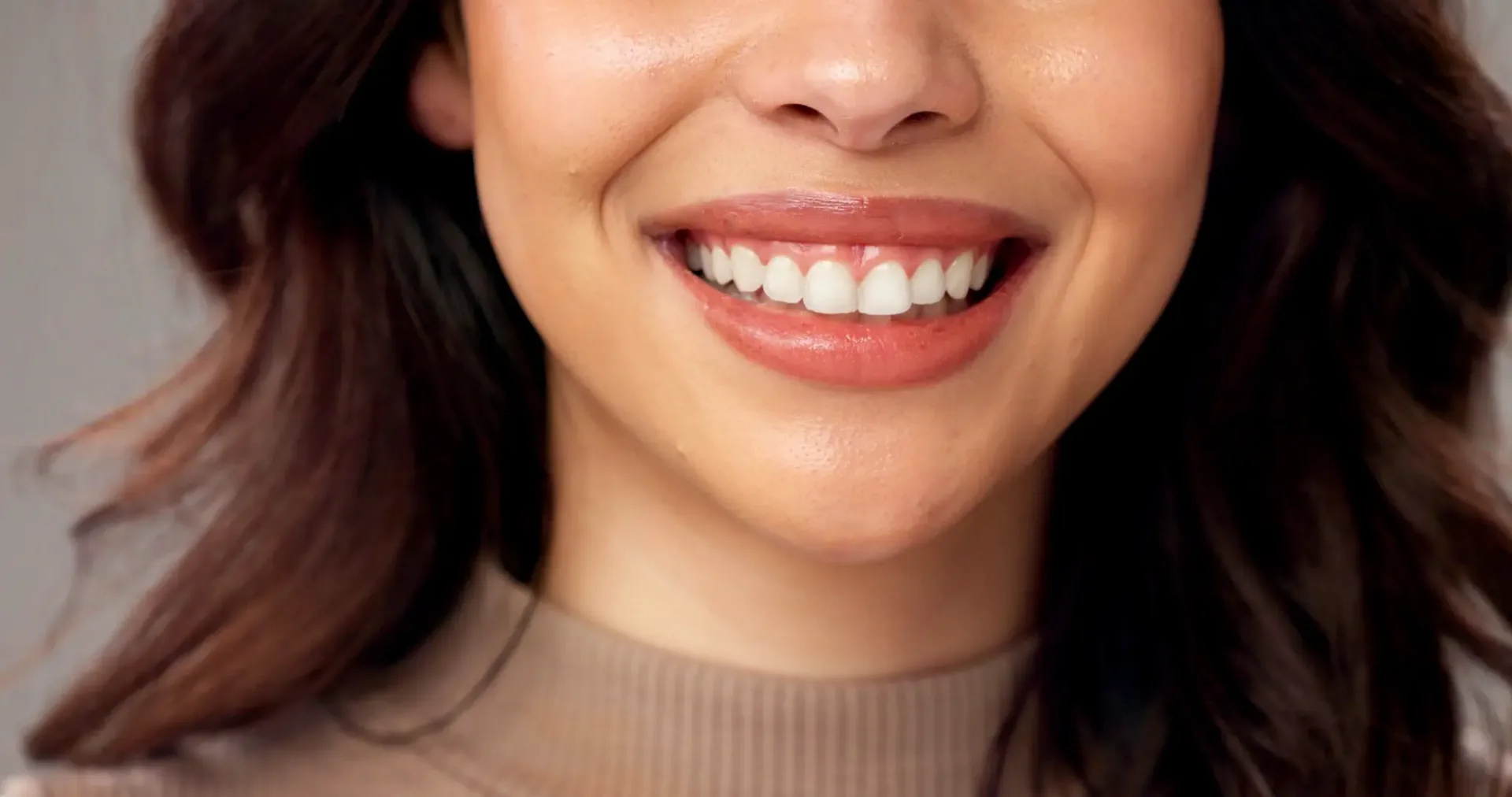
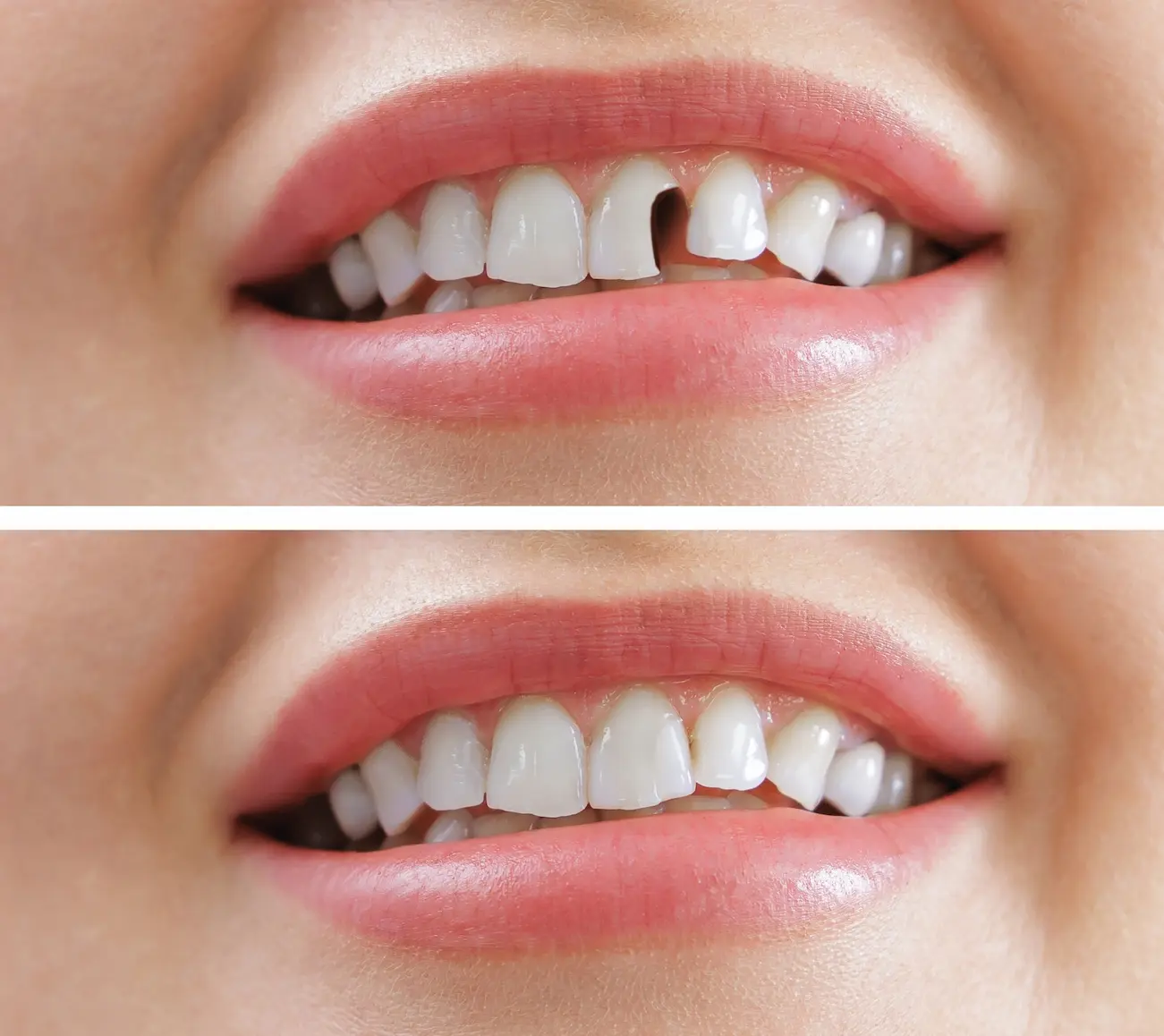
Most dental offices separate cosmetic and restorative into two conversations. In practice, they overlap almost every time. A crown placed after a root canal has to look right in your mouth. A filling in a front tooth needs to match. Veneers on a patient with bite problems require someone who understands the occlusion, not just the shade guide. At Monteluz Dental Specialty Group in San Bernardino, cosmetic work is handled within a specialty context — meaning the aesthetics are addressed alongside the underlying dentistry, not instead of it. Our team includes a prosthodontist, an oral surgeon, and an endodontist, which matters when a case is more complex than a general dentist can safely manage. If you've been referred here, or came because something wasn't getting resolved elsewhere, you're in the right place.
Cosmetic vs. Restorative — What's the Difference?
Restorative dentistry fixes something that's broken, decayed, or missing. Cosmetic dentistry changes something that functions fine but looks the way you don't want it to. The line between them is real, but it's not always clean. A crown is restorative — it protects a tooth that can no longer protect itself. It's also cosmetic, because it's visible in your mouth every time you open it. A composite filling replaces damaged tooth structure, which is restorative. But tooth-colored composite also avoids the dark gray appearance of older amalgam restorations, which is a cosmetic benefit that comes at no extra clinical cost. We don't treat these as competing priorities. When a tooth needs treatment, it should be restored correctly and it should look right. Those goals aren't in conflict.
Tooth-Colored Fillings
Composite resin fillings are the current standard for most cavities. They bond directly to the tooth, allowing a more conservative preparation than older amalgam restorations, and they match surrounding tooth color. For small-to-medium cavities in visible teeth, composite is the first choice. For very large restorations in heavy-load back teeth, there are times when ceramic or another material performs better — we'll tell you when that applies. Medi-Cal/Denti-Cal covers tooth-colored fillings for front teeth and, in many cases, bicuspids. Coverage for posterior teeth varies by plan — we verify your benefits before scheduling so there are no surprises.
Dental Veneers
Veneers are thin ceramic or composite shells that cover the visible surface of a tooth. They can address discoloration that doesn't respond to whitening, minor chips, worn edges, or small gaps. They look good when done well — and they are irreversible. Preparing a tooth for a porcelain veneer requires removing a layer of enamel that won't grow back, meaning that tooth will need a veneer or some form of coverage permanently. That's not a reason to avoid them if they're the right choice, but it is a reason to be certain before you proceed. Patients with untreated grinding, significant bite problems, or active gum disease are not candidates until those issues are resolved. Our prosthodontist evaluates bite, gum health, and tooth position before recommending veneers. Porcelain veneers are cosmetic and not covered by Medi-Cal. Composite bonding can achieve similar results in some cases at lower cost and without permanently altering the tooth.
Dental Bonding
Composite bonding uses the same resin as tooth-colored fillings, applied and shaped directly on the tooth to repair chips, close small gaps, or improve proportion. It doesn't require removing healthy tooth structure, it's usually done in one visit, and it's reversible — a real advantage over veneers for patients who want results without a permanent commitment. The trade-off is durability. Composite stains and chips more readily than porcelain, especially for patients who drink coffee or use tobacco, and it wears faster in high-bite-force positions. For the right patient — minor cosmetic concerns, stable bite, realistic expectations — bonding holds up well.
Crowns as a Restorative Option
A crown is the right choice when a tooth has too little remaining structure for a filling — after a large cavity, a crack, or a root canal. Modern crowns are ceramic or zirconia and are matched to surrounding tooth color. Because a crown replaces most of the visible tooth surface, the aesthetics matter. We take shade matching seriously and treat it as part of the clinical result, not a finishing detail. Medi-Cal covers crowns when they're medically necessary, which in most cases they are. We also provide full and partial dentures. When a denture case involves complex bone or tissue, having an oral surgeon on-site avoids sending patients to yet another referral.
What Medi-Cal Covers
Medi-Cal Dental (Denti-Cal) covers restorative procedures when they're medically necessary. Tooth-colored fillings on front teeth are generally covered. Crowns are covered when a tooth can't be adequately restored with a filling. What Medi-Cal does not cover is purely elective cosmetic work — veneers for appearance only, whitening, or bonding without a functional diagnosis. Many patients are surprised to find that a procedure they assumed was cosmetic is actually covered once a functional reason is documented. We verify benefits before recommending treatment. If something is covered, we'll tell you. If it isn't, we'll quote you the out-of-pocket cost before anything is scheduled.
Schedule a Consultation
Monteluz Dental Specialty Group is in San Bernardino and serves patients throughout the Inland Empire, including Fontana, Rialto, Colton, and Redlands. Same-week consultations are available. If your general dentist referred you, bring recent X-rays if you have them. Call (909) 567-2024 to schedule.
Frequently asked questions
What is cosmetic dentistry?
Cosmetic dentistry focuses on improving the appearance of your teeth, gums, and smile.
What procedures are included?
Procedures include veneers, crowns, bonding, and smile makeovers.
Is cosmetic dentistry painful?
Most procedures are minimally invasive, and we use local anesthesia when needed.
How long does a typical procedure take?
Treatment time varies from 30 minutes to several sessions depending on the procedure.
From our blog
What Is Cosmetic Dentistry and Why It Matters
What is cosmetic dentistry? Learn about treatment types, costs, insurance coverage, and best options for San Bernardino families on Denti-Cal or HMO plans.
Why choose specialty dentistry for families in San Bernardino
Discover why specialty dentistry offers families in San Bernardino expert care for dental implants and root canals with affordable bilingual support and advanced technology.
Ready to be seen by a specialist?
Same-week appointments available. Most insurances accepted.