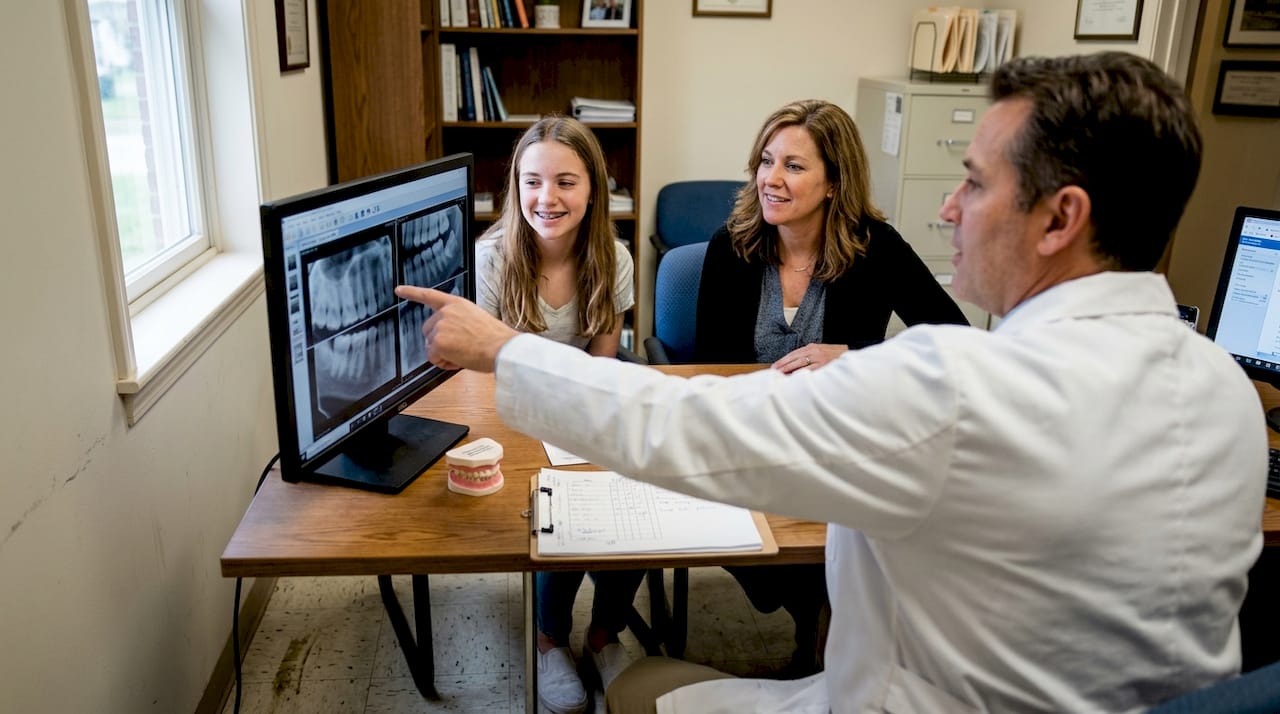
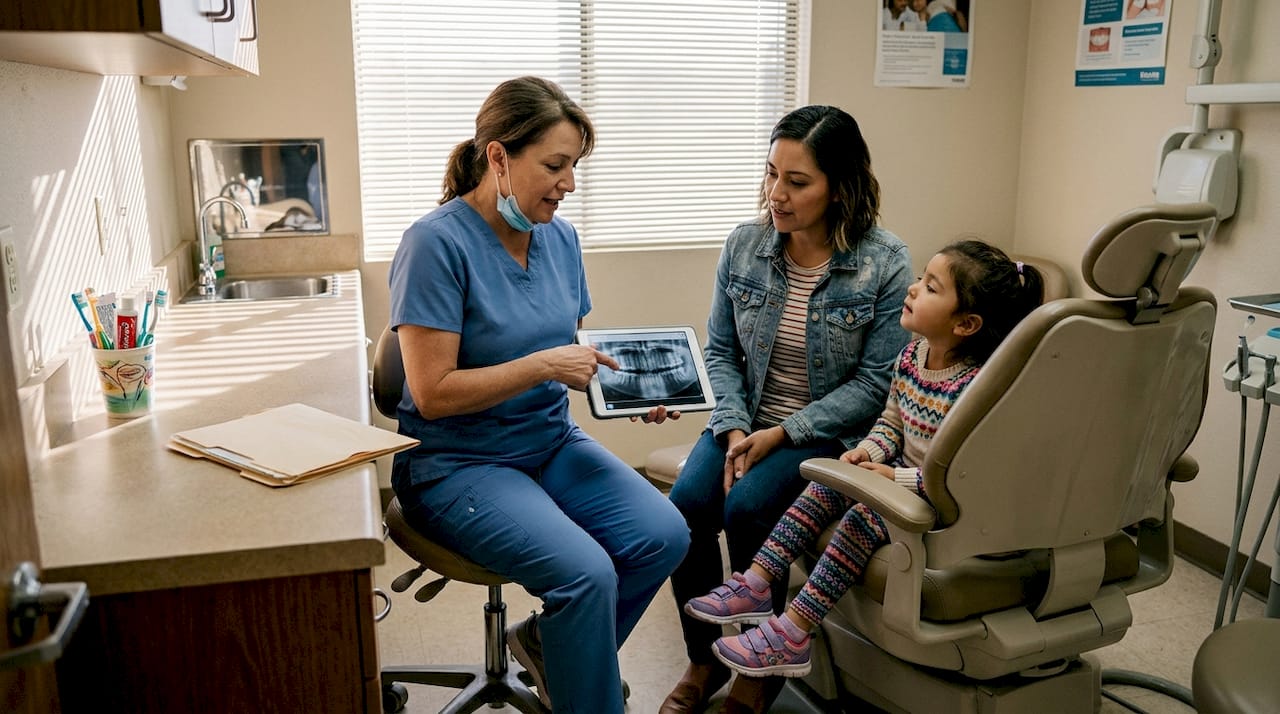
Many families assume their general dentist can handle every dental need, but complex procedures like dental implants and root canal therapy require specialized training and advanced technology. Specialty dentistry focuses on specific areas of oral health, offering expertise that general dentistry cannot match. For families in San Bernardino and the Inland Empire seeking affordable, high-quality care with bilingual support, understanding specialty dentistry helps you make informed decisions about advanced treatments. This guide explains what specialty dentistry is, which procedures benefit most from specialized care, and how to find affordable, expert providers in your community.
Table of Contents
- Key takeaways
- What is specialty dentistry and why does it matter for families?
- Top specialty dental procedures families need to know
- How specialty dentistry in San Bernardino supports affordability and bilingual care
- Choosing the right specialty dentist: what families should consider
- Find trusted specialty dental care in San Bernardino today
- FAQ
Key Takeaways
| Point | Details |
|---|---|
| Specialized training matters | Specialized training beyond general dentistry equips clinicians to handle complex procedures with precision and expertise. |
| Advanced tech boosts outcomes | Advanced diagnostic tools like 3D imaging and digital scanners help plan treatments with higher accuracy and better long term results. |
| Implants require specialists | Dental implants require specialists to maximize durability and reduce complications. |
| Affordable bilingual care San Bernardino | Families in San Bernardino can find affordable specialty care with bilingual support that assists family needs. |
What is specialty dentistry and why does it matter for families?
Specialty dentistry involves advanced training beyond general dentistry, equipping practitioners to handle complex procedures with precision and expertise. After completing dental school, specialists pursue additional years of education in focused areas like endodontics, oral surgery, or prosthodontics. This intensive training allows them to master techniques and technologies that general dentists may encounter infrequently.
Specialties relevant to families include dental implants for tooth replacement, endodontics for root canal therapy, orthodontics for alignment issues, and periodontics for gum disease treatment. Each specialty addresses specific oral health challenges that require depth of knowledge and hands-on experience. Specialty dental care benefits families by reducing the risk of complications and ensuring procedures succeed the first time.
Advanced diagnostic tools like 3D imaging and digital scanners enable specialists to plan treatments with exceptional accuracy. These technologies reveal details invisible to traditional X-rays, helping specialists identify problems early and execute precise interventions. Families benefit from faster healing, less discomfort, and better long-term outcomes compared to generalized approaches.
When your child needs orthodontic work or you face tooth loss, specialists provide targeted solutions that general dentists may refer out. This focused expertise means fewer appointments, more predictable results, and confidence that your family receives care from someone who performs these procedures daily.
Key benefits of specialty dentistry for families:
- Specialists handle complex cases with higher success rates
- Advanced technology reduces treatment time and discomfort
- Focused training minimizes risk of errors or complications
- Personalized care plans address your family’s unique needs
- Long-term solutions prevent repeated treatments and expenses
Pro Tip: Ask potential providers how many similar procedures they perform monthly. High volume indicates consistent practice and refined skills, which translate to better outcomes for your family.
Top specialty dental procedures families need to know
Understanding common specialty procedures helps you recognize when general dentistry reaches its limits and specialized care becomes necessary. Three treatments stand out for their impact on family oral health and quality of life.
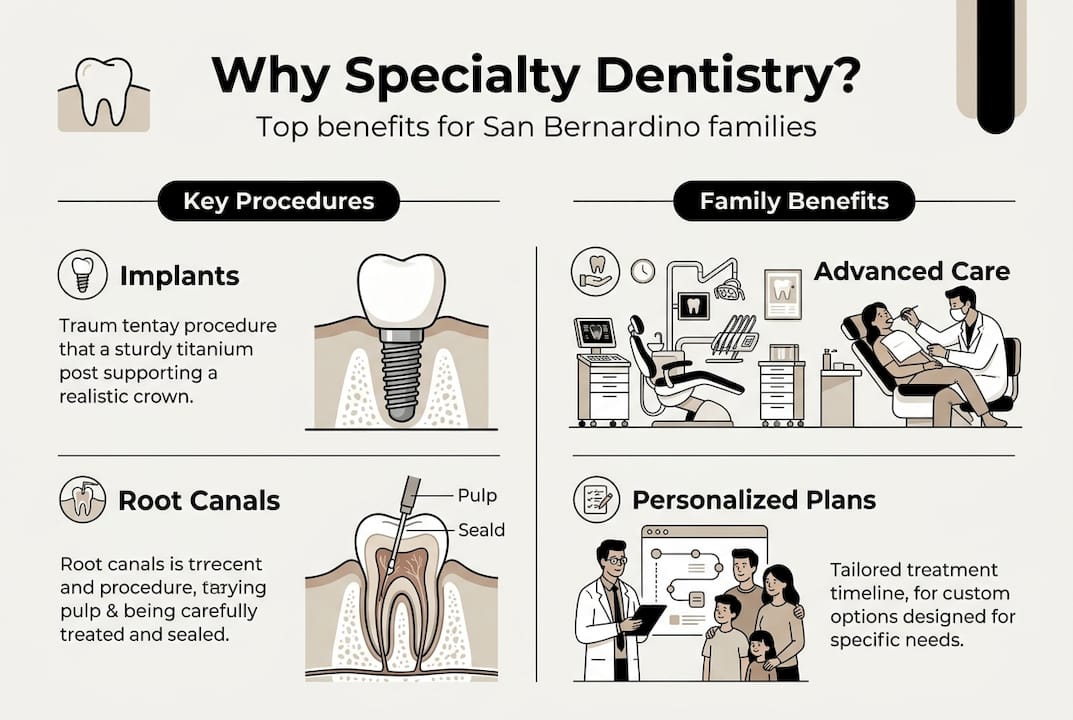
Dental implants replace missing teeth by surgically placing titanium posts into the jawbone, which fuse with the bone to create stable anchors for crowns. Unlike dentures or bridges, dental implants function like natural teeth, allowing you to eat, speak, and smile without worry. The procedure requires surgical precision and understanding of bone biology, making it essential to work with trained implant specialists. Families appreciate implants for their durability and natural appearance, which can last decades with proper care.
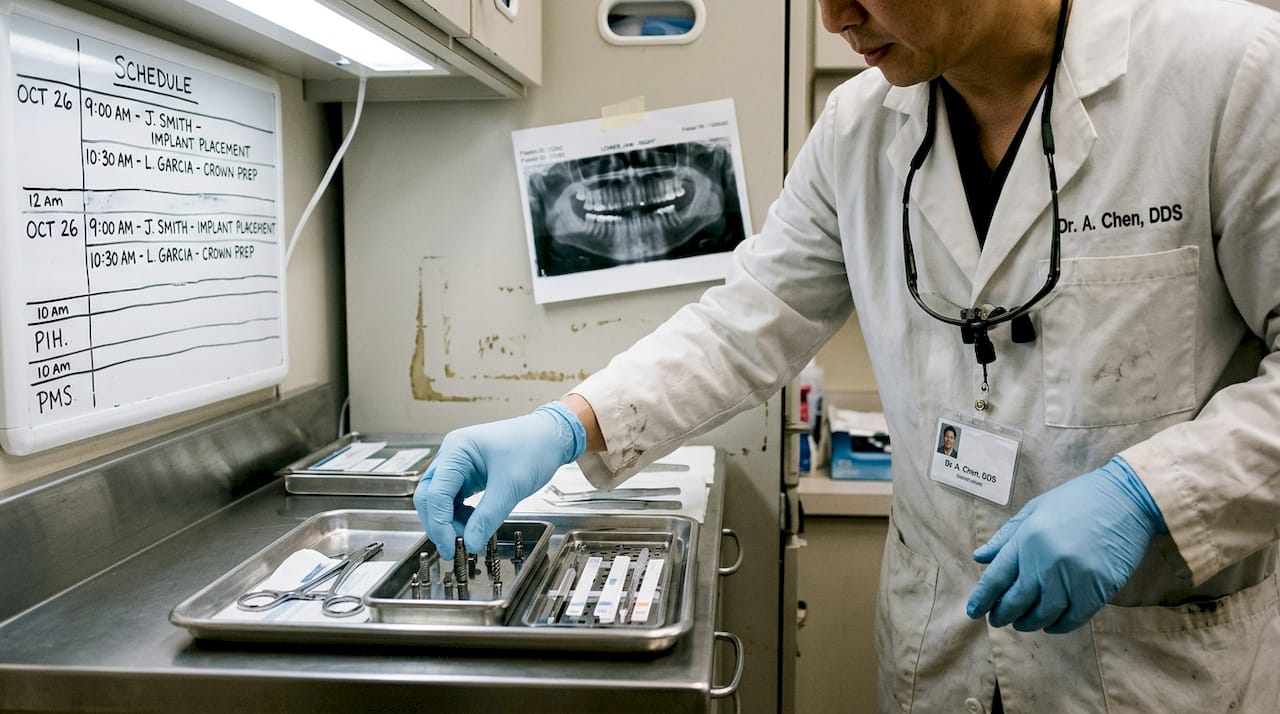
Root canal therapy saves teeth threatened by infection or deep decay. Endodontic specialists remove infected pulp tissue from inside the tooth, clean and disinfect the root canals, then seal the space to prevent reinfection. This procedure preserves your natural tooth structure, avoiding extraction and the need for replacement options. Specialized training allows endodontists to handle complex root anatomy and challenging cases that might otherwise result in tooth loss.
Crowns and bridges restore teeth damaged by decay, fracture, or wear. Crowns cap individual teeth to protect and strengthen them, while bridges span gaps left by missing teeth using adjacent teeth as anchors. Prosthodontists specialize in these restorations, ensuring precise fit, natural appearance, and long-lasting function. Families benefit from restored chewing ability and improved confidence in their smiles.
Comparison of specialty procedures:
| Procedure | Primary Benefit | Recovery Time | Longevity |
|---|---|---|---|
| Dental Implants | Permanent tooth replacement | 3-6 months | 20+ years |
| Root Canal Therapy | Saves natural tooth | 1-2 days | Lifetime with crown |
| Crowns & Bridges | Restores function and appearance | Same day to 2 weeks | 10-15 years |
Recognizing these options empowers families to discuss treatment possibilities with confidence. When your dentist recommends specialty care, you understand why that expertise matters and what outcomes to expect.
Pro Tip: Schedule consultations with specialists before urgent problems arise. Establishing relationships early means faster access when emergencies happen, plus you can plan treatments around your family’s schedule and budget.
How specialty dentistry in San Bernardino supports affordability and bilingual care
Cost concerns and language barriers prevent many families from seeking specialty dental care, but San Bernardino providers have developed solutions that make advanced treatments accessible. Understanding these options removes obstacles between your family and the care you need.
Dental membership plans offer predictable annual costs for preventive and specialty services without traditional insurance. These plans typically include discounts on procedures like implants and root canals, making them affordable for uninsured families. Monthly fees start as low as $20 per person, providing access to specialty care that might otherwise seem financially out of reach.
Experienced staff help families maximize existing insurance benefits by verifying coverage, submitting claims correctly, and appealing denials when appropriate. Many specialty procedures receive partial coverage from dental insurance explained plans, but navigating benefits requires expertise. Providers who assist with this process save families money and stress.
Bilingual support ensures Spanish-speaking families receive clear explanations of diagnoses, treatment options, and costs. Language barriers can lead to misunderstandings about procedures, creating anxiety and potentially compromising outcomes. When staff communicate in your preferred language, you make informed decisions and feel respected throughout your care journey.
Transparent pricing eliminates surprise bills. Reputable specialty practices provide detailed cost estimates before treatment begins, breaking down procedure fees, materials, and any additional charges. This transparency allows families to budget appropriately and explore payment plans if needed.
Ways specialty clinics increase accessibility:
- Membership plans reduce annual dental costs by 30-50%
- Insurance specialists maximize your existing benefits
- Bilingual staff explain treatments in Spanish or English
- Flexible payment options spread costs over time
- Evening and weekend appointments accommodate work schedules
Pro Tip: Compare total treatment costs including follow-up visits when evaluating providers. The lowest initial quote may not represent the best value if complications require additional appointments or corrections.
Choosing the right specialty dentist: what families should consider
Selecting a specialty dental provider requires evaluating credentials, technology, patient experiences, and practice culture. These factors determine whether your family receives excellent care or settles for mediocre results.
-
Verify board certifications and specialty training credentials through professional associations. Legitimate specialists complete accredited residency programs and maintain active licenses. This verification protects your family from practitioners who claim expertise without proper qualifications.
-
Assess the dental technology available at the practice. Modern equipment like cone beam CT scanners, digital impression systems, and laser tools improve diagnostic accuracy and treatment precision. Outdated technology limits what specialists can accomplish and may compromise your outcomes.
-
Read patient testimonials focusing on experiences similar to your family’s needs. Look for patterns in reviews regarding communication, pain management, and long-term results. A few negative reviews among hundreds of positive ones matter less than consistent complaints about the same issues.
-
Confirm bilingual staff availability if language support matters to your family. Call the office and ask to speak with someone in Spanish to verify their comfort level and fluency. Genuine bilingual support means more than having one staff member who speaks basic Spanish.
-
Evaluate the practice’s approach to affordability and insurance. Providers committed to accessibility discuss costs openly, offer multiple payment options, and employ staff who help maximize insurance benefits. Practices that avoid cost conversations until after treatment often surprise families with unexpected bills.
-
Schedule a consultation to assess the environment and staff interactions. Your comfort level during this initial visit predicts your experience throughout treatment. Pay attention to how staff treat you, whether they answer questions thoroughly, and if the facility feels clean and organized.
Pro Tip: Ask how the practice handles complications or unsatisfactory results. Providers confident in their work stand behind outcomes and have clear policies for addressing problems without additional charges to patients.
Find trusted specialty dental care in San Bernardino today
Your family deserves expert specialty dental care that combines advanced training, modern technology, and genuine affordability. Monteluz Specialty Dental Care serves San Bernardino and the Inland Empire with comprehensive specialty services including dental implants options and endodontic specialists who prioritize your comfort and results.
Our bilingual team communicates clearly in English and Spanish, ensuring every family member understands their treatment plan and feels confident in their care decisions. We accept Denti-Cal, PPO, and HMO insurance plans, plus offer affordable dental membership programs starting at $20 monthly for uninsured patients. Flexible financing options and transparent pricing remove financial barriers to the specialty care your family needs. Visit Monteluz Dental Specialty Group to schedule your consultation and experience the difference specialized expertise makes.
FAQ
What costs are typically covered by insurance for specialty dentistry?
Insurance coverage for specialty procedures varies significantly by plan type and specific treatment. Most dental insurance plans cover a portion of medically necessary procedures like root canals, often paying 50-80% after deductibles. Dental implants and orthodontics may receive limited or no coverage depending on your policy’s exclusions. Contact your insurance provider and the specialty practice before treatment to verify exact coverage amounts, annual maximums, and any pre-authorization requirements. Practices experienced with insurance can help you understand benefits and estimate your out-of-pocket costs accurately.
How does bilingual support improve the dental care experience?
Bilingual support eliminates communication barriers that can lead to misunderstandings about diagnoses, treatment options, and post-procedure care instructions. When dental staff speak your preferred language fluently, you ask questions freely and express concerns without hesitation. This clear communication helps you understand why specialists recommend certain treatments and what to expect during recovery. Patients who communicate comfortably with their dental team report higher satisfaction, less anxiety, and better adherence to care instructions. For families where English is not the primary language, bilingual support transforms dental visits from stressful experiences into collaborative partnerships focused on your oral health goals.
Are dental implants a permanent solution?
Dental implants offer the most durable tooth replacement option available, with proper care lasting 20 years or longer. The titanium posts fuse with your jawbone through a process called osseointegration, creating a stable foundation that functions like natural tooth roots. Unlike dentures that require replacement every 5-10 years or bridges that stress adjacent teeth, permanent dental implants preserve jawbone density and don’t affect neighboring teeth. Success depends on good oral hygiene, regular dental checkups, and avoiding habits like smoking that compromise healing. While the crown attached to the implant may need replacement after 10-15 years due to normal wear, the implant itself typically remains stable for life.
What should I expect during a root canal treatment?
Root canal treatment begins with local anesthesia to numb the affected tooth and surrounding tissue, ensuring you feel no pain during the procedure. Your endodontist creates a small opening in the tooth’s crown to access the infected pulp chamber and root canals. Specialized instruments remove the infected tissue, and the canals are cleaned, shaped, and disinfected to eliminate bacteria. After thorough cleaning, the endodontist fills the canals with a biocompatible material and seals the opening. Most root canal treatments take 60-90 minutes and cause minimal discomfort. Your tooth will need a permanent crown within a few weeks to protect it and restore full function. Post-treatment sensitivity typically resolves within a few days with over-the-counter pain relievers.
Recommended
- Why Interdisciplinary Dental Care Matters in San Bernardino
- Top 4 Mejores Seguros Dentales 2026 para Familias en San Bernardino
- Oral health tips for families in San Bernardino 2026
- Affordable Dental Care Steps for San Bernardino Families