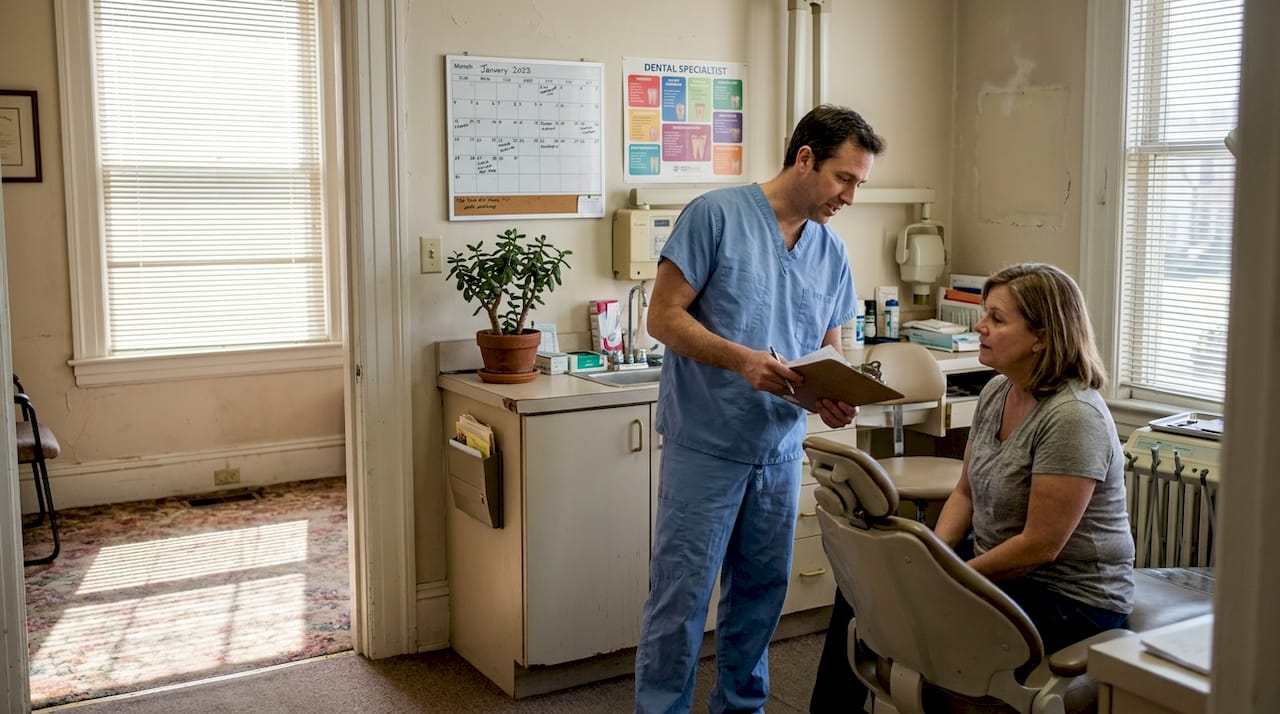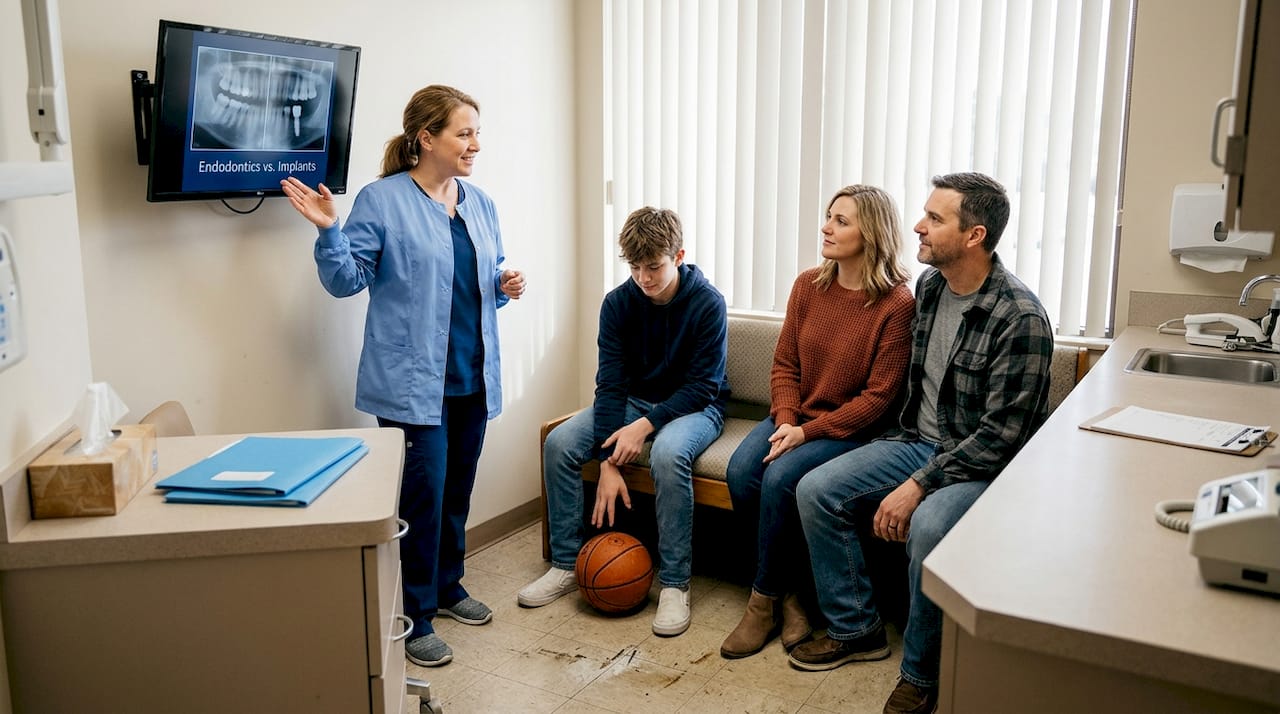
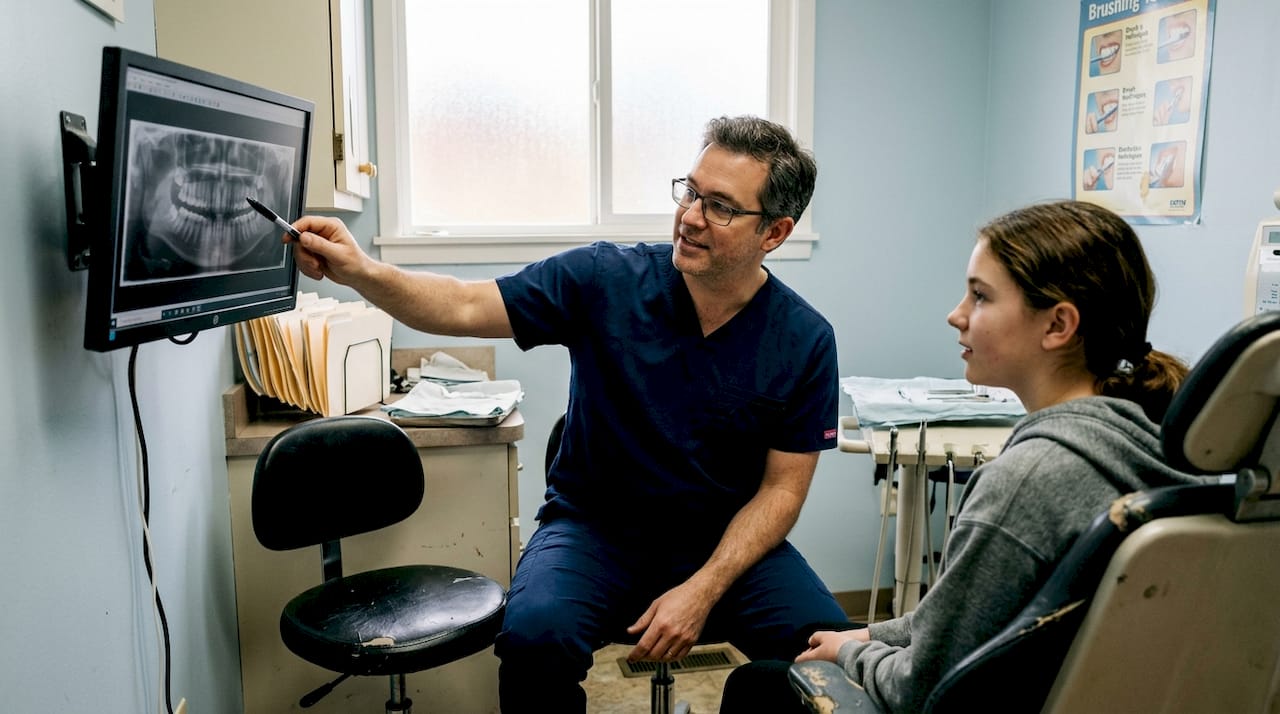
Many people believe orthodontists only straighten teeth for cosmetic purposes, but this common misconception overlooks their comprehensive role in oral health. Orthodontists specialize in diagnosing and correcting bite problems, jaw alignment issues, and facial structure irregularities that affect chewing, speech, and long-term dental health. For families in Southern California, especially those with Medi-Cal or without insurance, understanding what orthodontists truly do opens doors to affordable treatment options that improve both function and appearance. This guide explains the full scope of orthodontic care, compares treatment methods like braces and clear aligners, addresses special considerations for patients with gum disease, and provides practical resources for accessing quality orthodontic care on any budget.
Table of Contents
- Key takeaways
- What does an orthodontist do? Understanding their role in your oral health
- Comparing orthodontic treatment options: braces, clear aligners, and more
- Special considerations: orthodontic care for patients with periodontal concerns
- Accessing affordable orthodontic care: Medi-Cal, uninsured options, and local resources
- Explore expert orthodontic and dental care options in San Bernardino
- FAQ
Key Takeaways
| Point | Details |
|---|---|
| Orthodontist role | Orthodontists diagnose and correct malocclusions and dentofacial irregularities using fixed appliances, clear aligners, and orthopedic devices after specialized training. |
| Treatment options | They tailor braces, clear aligners, and orthopedic devices to each patient’s bite needs. |
| Early evaluation by age seven | Scheduling an evaluation by age seven helps identify jaw problems that are easier to correct in growing children. |
| Affordable care options | Medi Cal approved providers, dental schools, and nonprofits offer lower cost access to orthodontic treatment. |
| Gum health matters | People with gum disease should address periodontal health before starting orthodontic care. |
What does an orthodontist do? Understanding their role in your oral health
Orthodontists specialize in diagnosing, preventing, and correcting malocclusions and dentofacial irregularities using fixed appliances, clear aligners, and orthopedic devices. Unlike general dentists who focus on overall oral health, orthodontists complete an additional two to three years of specialized training after dental school to master the complex relationship between teeth, jaws, and facial structure. This expertise allows them to address problems that go far beyond crooked teeth.
Malocclusions, or improper bites, occur when your upper and lower teeth don’t fit together correctly. These misalignments can cause difficulty chewing, increase wear on tooth enamel, create jaw pain, and even affect speech patterns. Orthodontists evaluate how your teeth meet when you bite down, how your jaw joints function, and whether your facial bones have developed properly. They use diagnostic tools like digital imaging, 3D models, and cephalometric analysis to create customized treatment plans that address the root cause of alignment problems.
The devices orthodontists use vary based on each patient’s specific needs:
- Fixed appliances like traditional metal braces or ceramic braces that remain bonded to teeth throughout treatment
- Removable clear aligners that gradually shift teeth using a series of custom trays
- Orthopedic appliances such as headgear or palatal expanders that guide jaw growth in younger patients
- Retainers that maintain tooth position after active treatment ends
Pro Tip: Schedule an orthodontic evaluation by age seven, even if teeth look straight. Early assessment can identify developing jaw problems that are easier to correct in growing children than in adults.
Orthodontic treatment directly impacts your overall oral health by making teeth easier to clean, reducing abnormal wear patterns, and improving jaw function. When teeth are properly aligned, you can brush and floss more effectively, lowering your risk of cavities and gum disease. Correcting bite problems also relieves stress on jaw joints, which can prevent chronic pain and headaches. For families seeking expert orthodontic care, understanding this comprehensive role helps you appreciate how treatment benefits extend far beyond a prettier smile.
Comparing orthodontic treatment options: braces, clear aligners, and more
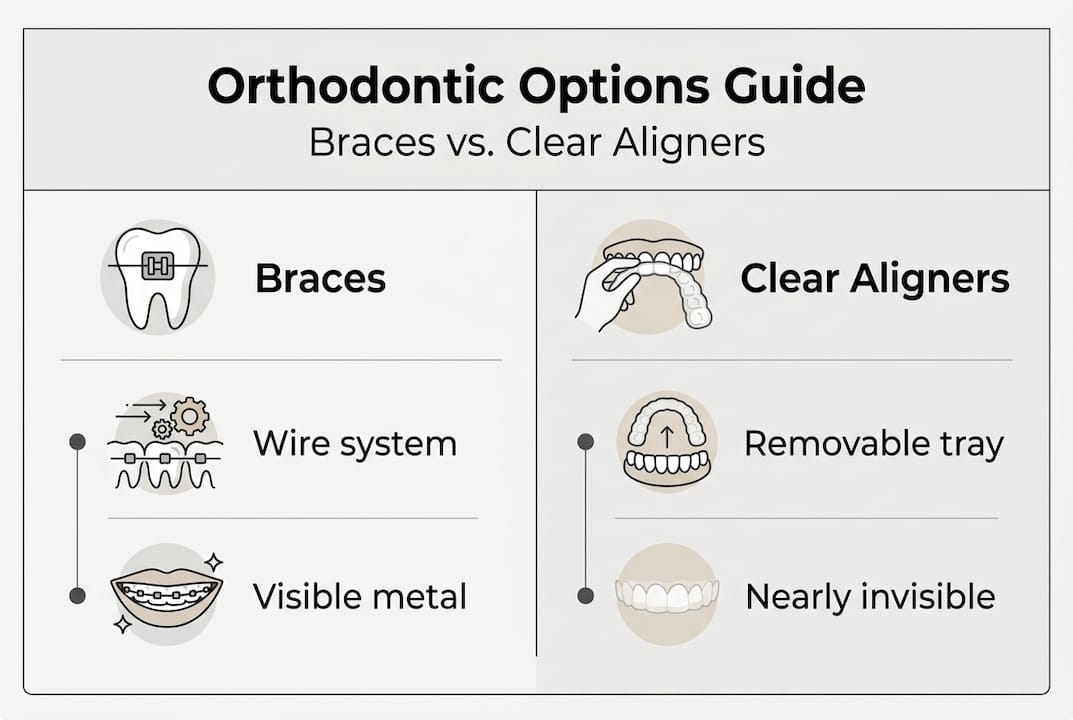
Choosing between braces and clear aligners depends on your specific dental needs, lifestyle preferences, and budget considerations. Clear aligners are effective for most malocclusions with aesthetic and comfort needs, while braces offer more control but present visibility and hygiene challenges. Understanding the strengths and limitations of each option helps you make an informed decision that aligns with your goals.
Traditional metal braces use brackets bonded to each tooth and connected by wires that apply continuous pressure to move teeth into proper position. They remain the gold standard for complex cases involving severe crowding, significant bite problems, or teeth that need vertical movement or rotation. Ceramic braces function identically but use tooth-colored materials that blend with your natural teeth, offering a less noticeable appearance. Treatment with braces typically takes around 24 months, though duration varies based on case complexity.
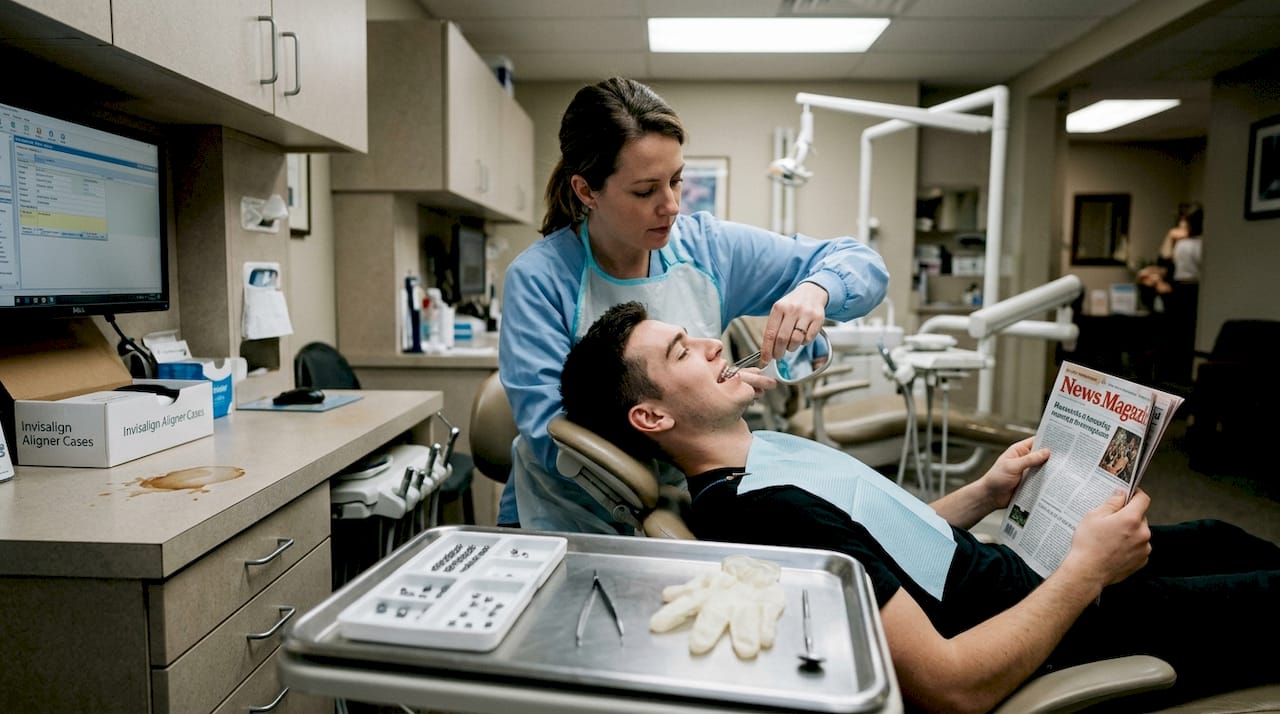
Clear aligners like Invisalign consist of transparent plastic trays custom-made to fit snugly over your teeth. You wear each set for about two weeks before switching to the next in the series, gradually shifting teeth to their final positions. Aligners typically require about 18 months of treatment and offer several advantages. You can remove them for eating and cleaning, making it easier to maintain oral hygiene and enjoy your favorite foods without restrictions. Their nearly invisible appearance appeals to adults and teens concerned about aesthetics.
| Treatment Type | Average Duration | Visibility | Hygiene | Best For |
|---|---|---|---|---|
| Metal Braces | 24 months | Highly visible | Requires special tools | Complex cases, severe misalignment |
| Ceramic Braces | 24 months | Less visible | Requires special tools | Moderate to complex cases with aesthetic concerns |
| Clear Aligners | 18 months | Nearly invisible | Easy removal for cleaning | Mild to moderate cases, compliant patients |
| Headgear/Appliances | Varies | Visible when worn | Standard brushing | Jaw growth modification in children |
However, clear aligners have limitations. They work best for mild to moderate alignment issues and may not effectively treat severe bite problems, impacted teeth, or cases requiring significant tooth rotation. Success depends heavily on patient compliance because you must wear aligners 20 to 22 hours daily. Removing them too frequently or forgetting to switch to the next tray on schedule can extend treatment time or compromise results.
For younger patients still experiencing jaw growth, orthodontists may recommend headgear or functional appliances that guide bone development. These orthopedic devices address skeletal discrepancies that can’t be corrected by moving teeth alone. While they require nighttime or part-time wear, they can prevent the need for jaw surgery later in life.
Pro Tip: If you have periodontal concerns, discuss your gum health status before choosing a treatment method. Removable aligners may offer hygiene advantages that protect vulnerable gum tissue during orthodontic movement.
Your orthodontic treatment guide should factor in your oral health history, lifestyle, and aesthetic preferences. Both braces and aligners achieve success rates of approximately 88 to 90 percent when patients follow their orthodontist’s instructions. The right choice balances clinical effectiveness with your ability to maintain excellent oral hygiene and comply with treatment requirements throughout the process.
Special considerations: orthodontic care for patients with periodontal concerns
Orthodontics requires prior periodontal stability because moving teeth through bone affected by gum disease increases the risk of attachment loss and tooth mobility. Periodontal disease weakens the supporting structures around teeth, including gums, ligaments, and bone. Applying orthodontic forces to teeth with compromised support can accelerate bone loss, create gum recession, and potentially lead to tooth loss. This makes stabilizing gum health absolutely essential before beginning any tooth movement.
Patients with a history of periodontal disease need a multidisciplinary approach involving both a periodontist and an orthodontist. The periodontist first treats active gum disease through deep cleanings, scaling and root planing, or surgical procedures if necessary. Once inflammation is controlled and you demonstrate consistent oral hygiene habits, the orthodontist can safely begin treatment using modified techniques designed to protect vulnerable tissues.
Light force orthodontic techniques minimize stress on compromised periodontal structures. Instead of applying the standard pressure used for healthy patients, your orthodontist uses gentler forces over longer periods to achieve tooth movement while preserving attachment levels. This approach requires patience but significantly reduces the risk of complications. Regular monitoring appointments become even more critical to catch any signs of inflammation or bone loss early.
Your role in maintaining periodontal health during orthodontic treatment cannot be overstated:
- Brush thoroughly after every meal using a soft-bristled toothbrush and fluoride toothpaste to remove plaque around brackets or under aligners
- Floss daily with specialized tools like floss threaders or interdental brushes designed to clean around orthodontic appliances
- Use an antimicrobial mouth rinse recommended by your periodontist to control bacteria and reduce inflammation
- Attend all scheduled periodontal maintenance cleanings, typically every three to four months during active orthodontic treatment
- Report any signs of gum bleeding, swelling, or discomfort immediately to your treatment team
For patients with bone loss, orthodontists may recommend clear aligners over traditional braces because removable trays allow more thorough cleaning and easier access for periodontal maintenance procedures. However, this option only works if you have the discipline to wear aligners as prescribed and maintain impeccable oral hygiene.
Some orthodontic movements pose higher risks for periodontal patients. Intrusion, which pushes teeth deeper into the bone, and extrusion, which pulls teeth out, both create more stress than simple tipping movements. Your orthodontist will design a treatment plan that minimizes these high-risk movements or avoids them entirely if your periodontal condition warrants extra caution.
Families seeking expert periodontal care should choose providers who coordinate closely with orthodontic specialists. This collaboration ensures your treatment plan accounts for both alignment goals and gum health preservation. Regular communication between specialists allows them to adjust approaches based on how your tissues respond throughout treatment, maximizing both safety and effectiveness.
Accessing affordable orthodontic care: Medi-Cal, uninsured options, and local resources
Medi-Cal provides orthodontic coverage for eligible children and young adults when treatment is medically necessary, not purely cosmetic. Medi-Cal approval relies on 3D models and point systems that evaluate the severity of malocclusion and its impact on oral function. The Handicapping Labio-lingual Deviation index scores cases based on factors like overjet, overbite, crossbite, open bite, and crowding. Cases scoring above the threshold qualify for coverage, ensuring that families receive support for conditions affecting health and function.
To access Medi-Cal orthodontic benefits, start by finding a Denti-Cal provider who offers orthodontic services. Your orthodontist will conduct a comprehensive evaluation, take diagnostic records including digital impressions or 3D scans, and submit a treatment authorization request to Medi-Cal. The approval process typically takes several weeks, during which reviewers assess whether your case meets medical necessity criteria. Once approved, Medi-Cal covers the cost of braces or other approved appliances, though some providers may require small copayments for certain services.
For families without insurance coverage, several affordable alternatives exist throughout Southern California:
- Dental schools like Loma Linda University and UCLA offer orthodontic treatment at reduced rates, provided by advanced students under faculty supervision
- Nonprofit organizations such as Toothwisdom.org connect uninsured patients with volunteer dentists and orthodontists who provide free or low-cost care
- Community health centers and sliding scale clinics adjust fees based on household income, making treatment accessible regardless of ability to pay
- Payment plans through orthodontic practices allow you to spread treatment costs over the duration of care, typically 18 to 24 months
- Dental membership programs, like those starting at $20 per month, provide discounts on orthodontic services for uninsured patients
When researching providers, prioritize practices offering bilingual services if English is not your primary language. Clear communication about treatment plans, costs, and home care instructions becomes especially important during the lengthy orthodontic process. Bilingual staff ensure you fully understand your options and can ask questions comfortably, leading to better outcomes and higher satisfaction.
Timing matters when seeking Medi-Cal coverage for orthodontics. The program primarily covers patients under age 21, though exceptions exist for adults with severe functional problems. Scheduling an evaluation during childhood or adolescence maximizes your chances of qualifying before aging out of eligibility. Even if your child’s teeth don’t look severely crooked, underlying bite problems may meet medical necessity criteria, so don’t assume they won’t qualify without a professional assessment.
Navigating insurance and finding affordable providers can feel overwhelming, but resources exist to help. Contact your local county dental society for referrals to orthodontists accepting Medi-Cal or offering financial assistance programs. Many practices provide free initial consultations where you can discuss treatment needs, review costs, and explore payment options before committing. This allows you to compare providers and find the best fit for your family’s budget and preferences.
For comprehensive guidance on affordable options, explore resources like the affordable orthodontic care guide and oral health tips with Medi-Cal that address the unique needs of Southern California families. Taking the initiative to research and ask questions puts quality orthodontic care within reach, regardless of your insurance status or financial situation.
Explore expert orthodontic and dental care options in San Bernardino
Finding a dental practice that combines specialized expertise with genuine affordability makes all the difference for families managing orthodontic needs. Monteluz Dental Specialty Group offers comprehensive expert orthodontic care including traditional braces and clear aligners, delivered by specialists who understand the unique challenges facing Southern California families. The practice accepts Denti-Cal, PPO, and HMO insurance plans, ensuring that coverage works for you rather than creating barriers to treatment.
For uninsured patients, dental membership plans starting at just $20 per month provide access to discounted services without the complexity of traditional insurance. These plans remove financial obstacles that prevent families from seeking necessary care. Beyond orthodontics, Monteluz Specialty provides dental implants for missing teeth, root canal therapy, and comprehensive general dentistry, allowing you to address all your family’s oral health needs under one roof. Bilingual English and Spanish support ensures clear communication throughout your treatment journey, building trust and understanding that leads to better outcomes.
FAQ
What is the typical duration of orthodontic treatment with braces versus clear aligners?
Treatment with braces typically takes around 24 months, while clear aligners usually require about 18 months. Both methods achieve success rates of approximately 88 to 90 percent when patients follow their orthodontist’s instructions and maintain proper oral hygiene. Duration varies based on case complexity, with severe misalignments requiring longer treatment regardless of method. Your orthodontist provides a personalized timeline after evaluating your specific needs.
How can I find affordable orthodontic care if I am uninsured or on Medi-Cal?
If uninsured, explore dental schools and sliding scale clinics that offer reduced-fee services based on income. Nonprofit organizations like Toothwisdom.org connect patients with volunteer providers offering free or low-cost care. For Medi-Cal recipients, find Denti-Cal approved orthodontists who use 3D models and point systems to secure coverage approval for medically necessary cases. Many practices also offer payment plans that spread costs over treatment duration, making care accessible regardless of insurance status.
What safety precautions are important for orthodontic treatment if I have gum disease?
Ensure periodontal disease is stable with healthy gums before starting orthodontic treatment to prevent attachment loss and tooth mobility. Your orthodontist will collaborate with a periodontist who treats active gum disease first through deep cleanings or surgical procedures. Once inflammation is controlled, orthodontic treatment uses light force techniques that minimize stress on compromised structures. Maintain excellent oral hygiene throughout treatment and attend regular periodontal maintenance cleanings every three to four months.
Can adults benefit from orthodontic treatment, or is it only for children?
Adults can absolutely benefit from orthodontic treatment at any age, as teeth can be moved throughout life as long as gums and bone remain healthy. Many adults seek treatment to correct long-standing bite problems, close gaps, or align teeth that shifted after losing dental work. Clear aligners appeal to adult patients concerned about aesthetics during treatment. However, adults with periodontal disease history require extra precautions and collaboration between orthodontists and periodontists to ensure safe tooth movement.
What happens if I don’t wear my clear aligners as prescribed?
Failing to wear clear aligners for the recommended 20 to 22 hours daily significantly extends treatment time and may compromise final results. Teeth begin shifting back toward their original positions within hours of removing aligners, so inconsistent wear prevents the planned tooth movement from occurring. If you frequently forget to wear aligners or remove them for extended periods, traditional braces may be a better option since they work continuously without requiring patient compliance. Discuss your lifestyle honestly with your orthodontist to choose the most appropriate treatment method.
Recommended
- Affordable Orthodontic Care Guide for Local Families
- What is orthodontic treatment? 2026 San Bernardino guide
- Affordability in Dental Care – How It Shapes Access
- Expert Orthodontic Care in San Bernardino | Braces & Aligners
- SET ORTODONTIC ÎN BUCUREȘTI - YTS Dental View