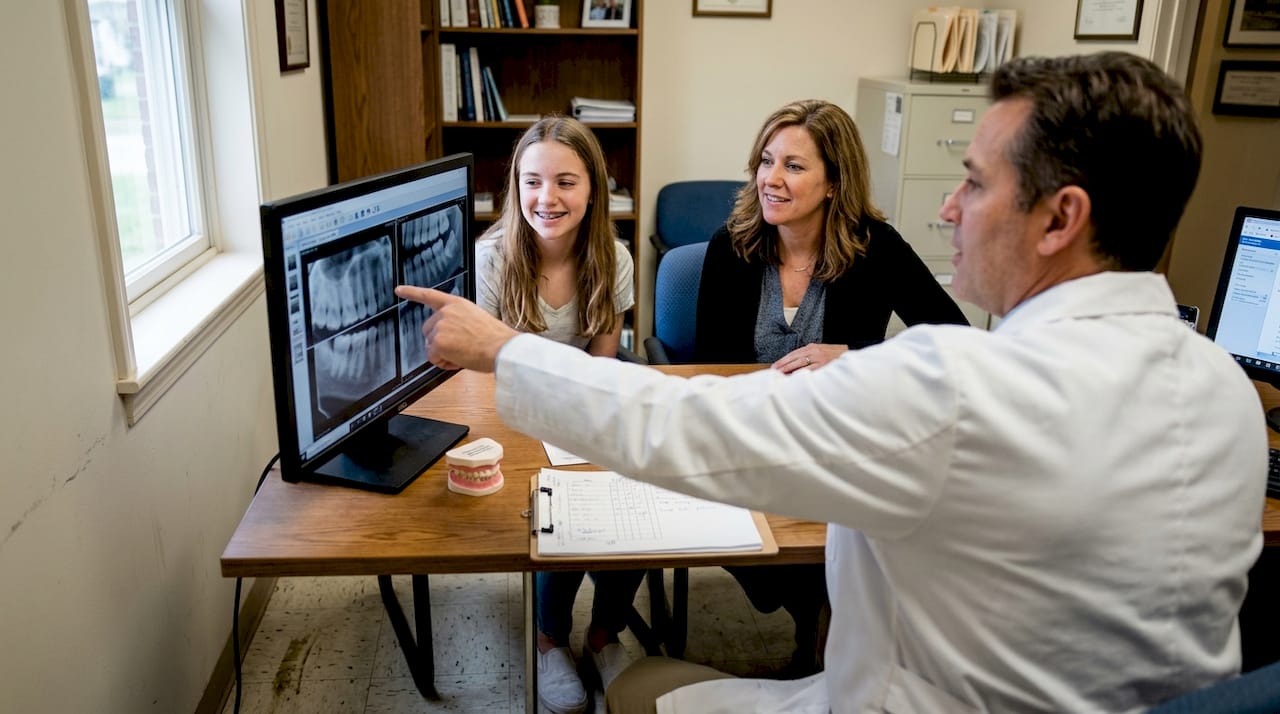
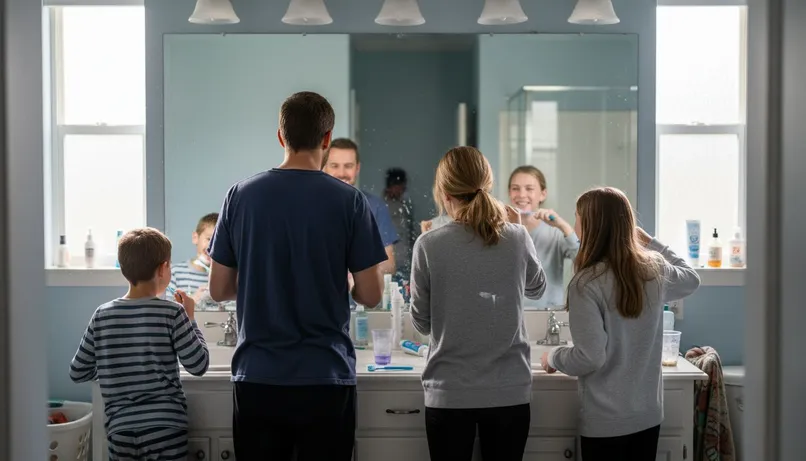
Getting your whole family on board with proper dental care can feel like an ongoing challenge. Kids often resist brushing or flossing, and busy schedules make it easy to skip important steps. Finding a routine that works for everyone may seem out of reach, but making small changes can protect your loved ones from cavities and gum disease.
This guide unlocks straightforward tips that help your family establish better dental habits together. You will discover practical ways to make brushing, flossing, and dental visits a natural part of your daily life. Get ready for real solutions that bring healthier smiles within reach and turn oral hygiene into a family success story.
Table of Contents
- 1. Brush Teeth Together For Healthy Habits
- 2. Use Fluoride Toothpaste For Stronger Teeth
- 3. Floss Daily To Prevent Tooth Decay
- 4. Limit Sugary Snacks For Better Oral Health
- 5. Schedule Regular Dental Visits For Everyone
- 6. Make Dental Care Fun For Kids And Adults
Quick Summary
| Key Message | Explanation |
|---|---|
| 1. Brush together for accountability | Family brushing habits foster consistency and ensure proper technique modeling for children, making dental care a shared activity. |
| 2. Use fluoride toothpaste daily | Fluoride strengthens enamel and significantly reduces cavity risk when used consistently, offering protection for all ages. |
| 3. Floss daily to prevent decay | Flossing removes plaque from between teeth and below the gum line, areas where toothbrushes cannot reach, preventing serious dental issues. |
| 4. Limit sugary snacks and drinks | Reducing sugar intake decreases harmful bacteria in the mouth, lowering cavity risk and promoting healthier gums over time. |
| 5. Make dental care enjoyable for everyone | Incorporating fun elements into dental routines increases participation and improves consistency in oral hygiene practices. |
1. Brush Teeth Together for Healthy Habits
Brushing teeth together transforms oral care from a solo task into a family activity that builds lifelong healthy habits. When parents and children brush side by side, it creates accountability and makes dental hygiene feel like quality time rather than a chore.
Why does this approach work so well? Children learn by watching and imitating adults they trust. When you brush your own teeth with proper technique while your kids brush theirs, you’re modeling the behavior that matters most. Your family also stays accountable to each other and builds consistency into daily routines.
Making it a routine matters. Brushing teeth twice daily using proper techniques creates the foundation for strong dental health in families. The goal is not speed, but thoroughness and repetition.
Here’s what makes brushing together effective:
- Builds consistency. When everyone brushes at the same time, morning and night routines become automatic for the whole family.
- Teaches proper technique. Kids see firsthand how to brush all surfaces, including the back molars and the tongue.
- Creates positive associations. Oral care becomes a normal, shared activity instead of something imposed on children.
- Strengthens family bonds. Two minutes of brushing together is two minutes of connection without screens or distractions.
The two-minute guideline is your target. Most people rush and spend less than a minute brushing, which leaves plaque behind. When brushing together, you can set a timer or play a two-minute song to keep everyone on track.
Don’t forget the forgotten surfaces. Many families only brush the front and biting surfaces of teeth. Your back molars and the outer surfaces need attention too, as does your tongue, which traps bacteria and contributes to decay.
Family brushing routines create habits that protect your teeth for life while bringing your family together around a shared health goal.
Start small if your family is new to this approach. Pick one time of day, like right before bed, and make it non-negotiable. Once everyone gets comfortable, add the morning session. Within a few weeks, brushing together will feel as natural as any other part of your day.
Pro tip: Set a consistent time each evening (like 8 p.m.) when everyone gathers to brush together, then spend 10 minutes as a family talking about your day—this transforms dental care into your family’s daily connection moment.
2. Use Fluoride Toothpaste for Stronger Teeth
Fluoride toothpaste is one of the most effective tools your family has for preventing cavities and strengthening tooth enamel. This mineral works like a shield, protecting your teeth against the acids that attack them throughout the day.
How does fluoride actually work? When bacteria in your mouth consume sugars and carbohydrates, they produce acids that weaken tooth enamel through a process called demineralization. Fluoride toothpaste prevents demineralization by strengthening enamel and making it more resistant to these acid attacks. Think of it as reinforcing your teeth’s natural defense system.
Your children’s developing teeth benefit tremendously from fluoride. Kids ages six and under are still building their permanent teeth, and fluoride exposure now creates stronger enamel that will last a lifetime. For children older than six, fluoride continues to protect existing teeth from decay.
Here’s what fluoride does for your family’s smile:
- Strengthens enamel. Fluoride hardens the outer layer of your teeth, making them harder for bacteria to penetrate.
- Reduces cavity risk. Families using fluoride toothpaste twice daily see significantly lower cavity rates than those without it.
- Protects all ages. From toddlers to grandparents, everyone benefits from fluoride’s protective properties.
- Works with your routine. You get protection simply by brushing as you normally would.
Which toothpaste should you choose? Look for the American Dental Association (ADA) seal on the package. This means the product has been tested and proven effective. Most toothpastes contain fluoride levels between 1,000 and 1,500 parts per million (ppm), which is safe and effective for the entire family.
For children under three, use a tiny smear (the size of a grain of rice) to minimize fluoride ingestion. Children ages three to six should use a pea-sized amount. Teaching your kids not to swallow toothpaste is important, though small amounts are not harmful.
Fluoride toothpaste is your family’s daily defense against cavities, strengthening teeth from childhood through adulthood.
Make sure everyone in your household has access to fluoride toothpaste. Check your supply regularly and replace tubes as needed. Consistent use is what creates results, so keeping it convenient and readily available helps your family stick with the routine.
Pro tip: Store fluoride toothpaste at eye level in your bathroom cabinet so each family member can grab it independently, making twice-daily brushing easier to maintain as part of daily habits.
3. Floss Daily to Prevent Tooth Decay
Flossing is the one step most families skip, yet it does something your toothbrush simply cannot do. It removes plaque and food particles from the tight spaces between your teeth and below your gum line, where decay often starts.
Why is this so important? Your toothbrush bristles cannot reach the spaces between teeth or under the gums. When plaque builds up in these hidden areas, bacteria multiply and produce acids that attack your enamel. Daily flossing removes plaque from these vulnerable zones before decay takes hold.
Think of flossing as completing what brushing started. Brushing cleans about 60 percent of your tooth surfaces. Flossing gets the remaining 40 percent. Together, they create a complete cleaning routine that protects your entire family’s smile.
Here’s what flossing prevents when done consistently:
- Cavities between teeth. These are the hardest cavities to notice until they become serious problems.
- Gum disease. Plaque buildup under the gums leads to inflammation, bleeding, and infections.
- Bad breath. Trapped food and bacteria cause odor that brushing alone cannot eliminate.
- Tooth loss. Untreated gum disease is the leading cause of tooth loss in adults.
Starting a family flossing routine takes patience, especially with children. Begin by flossing one or two teeth with your child, letting them watch and feel what you are doing. Gradually increase the number of teeth as they become comfortable. For young children ages two to four, you can use a gentle wipe with gauze instead of traditional floss.
Make it part of your evening routine alongside brushing. When flossing happens at the same time every night, your family is more likely to stick with it. Consistency matters more than perfection.
Flossing reaches the places brushing cannot, protecting 40 percent of your tooth surfaces that need daily cleaning.
There are different types of floss available, including traditional string floss, water flossers, and floss picks. Try different options to see what your family prefers. Some children do better with floss picks because they are easier to hold. Adults might prefer traditional floss for better control. The best floss is the one your family will actually use every day.
Pro tip: Keep a small container of floss picks in your car, bathroom, and kitchen so your family can floss right after meals when food particles are easiest to remove.
4. Limit Sugary Snacks for Better Oral Health
Sugar is the enemy of healthy teeth. When your family eats sugary snacks and drinks sugary beverages, you are literally feeding the bacteria that cause cavities and gum disease. The good news is that controlling sugar intake is one of the most powerful ways to protect your smile.
How does sugar damage teeth? Bacteria in your mouth consume sugar and produce acids as a byproduct. These acids attack your tooth enamel for up to 20 minutes after you eat or drink something sweet. Each sugary snack creates another acid attack. Over time, these repeated attacks wear down enamel and create cavities.
Consuming fewer sugary foods directly reduces the acid-producing bacteria in your mouth. This simple change lowers your family’s cavity risk and supports stronger gums. Combined with brushing and flossing, limiting sugar creates a complete defense system.
Here’s what counts as a sugary culprit:
- Obvious sweets. Candy, cookies, desserts, and cake are easy to identify but not the whole picture.
- Drinks. Soda, juice, sports drinks, and sweetened coffee contain surprising amounts of sugar that bathe your teeth.
- Sneaky sources. Yogurt, granola bars, dried fruit, and flavored milk often hide more sugar than you realize.
- Frequent small amounts. Sipping a sugary drink throughout the day is worse than eating a candy bar once, because your teeth never get a break from acid attacks.
You do not have to eliminate sugar completely. Instead, set limits and be strategic about when your family consumes it. The best time to eat something sweet is right after a main meal when your mouth produces more saliva to wash the sugar away. Avoid snacking on sugary foods between meals.
Choose water as your family’s primary drink. Water has zero sugar and actually helps rinse away food particles and bacteria. If your children want juice, dilute it with water and limit it to mealtimes only. These simple swaps save your family’s teeth.
Reducing sugar intake is as important as brushing and flossing for preventing cavities and protecting your family’s oral health.
Make healthy snack swaps enjoyable rather than restrictive. Offer cheese, nuts, fresh fruits, and vegetables instead of candy and cookies. Your family will adapt quickly when healthier options are readily available and treats are occasional, not routine.
Pro tip: When your children ask for sweets, offer them immediately after a meal with a glass of water, then have them brush their teeth 30 minutes later to minimize acid attack damage to their enamel.
5. Schedule Regular Dental Visits for Everyone
Home dental care is only half the battle. Professional cleanings and dental exams catch problems that brushing and flossing cannot, protecting your entire family from serious dental issues before they develop.
Why are regular dental visits so critical? Your dentist can identify cavities in their earliest stages, when they are easiest and least expensive to treat. They also screen for gum disease, oral cancer, and other conditions that you might not notice at home. By the time you feel pain, significant damage has often already occurred.
Regular dental visits support preventive care for your entire family. Professional cleanings remove tartar buildup that your toothbrush cannot eliminate. Your dentist also provides personalized advice based on what they see in your mouth during each exam.
The standard recommendation is to visit the dentist twice a year. This schedule applies to children, adults, and seniors. Some people with gum disease or other risk factors may need to visit more frequently. Your dentist will recommend the best schedule for your family’s specific needs.
Here’s what happens during a typical dental visit:
- Professional cleaning. Removes plaque and tartar from all tooth surfaces and below the gum line.
- Thorough examination. Dentist checks for cavities, gum disease, and oral cancer signs.
- X-rays. Reveal hidden problems between teeth and under the gums.
- Personalized guidance. Your dentist addresses concerns specific to your oral health and provides recommendations.
Many families in San Bernardino worry about cost, but regular visits actually save money. Catching a cavity early costs far less than treating an infection or root canal later. Preventive care is always more affordable than emergency treatment.
Monteluz Dental Specialty Group understands these concerns. We offer flexible financing options and accept Denti-Cal, PPO, and HMO insurance plans. Our in-house dental membership program starts at just $20 per month for uninsured patients, making twice-yearly visits accessible for your whole family.
Regular dental exams detect problems early, protect your family’s health, and cost far less than emergency dental treatment.
Schedule appointments at the same time each year to build consistency into your routine. Many offices send reminders when your next visit is due. Write appointments on your family calendar so everyone knows what to expect.
Pro tip: Book your entire family’s dental appointments during the same month or visit pattern, such as every June and December, so you remember to go and build the habit as a family routine.
6. Make Dental Care Fun for Kids and Adults
When dental care feels like a chore, your family will find excuses to skip it. The solution is simple: transform brushing, flossing, and dental visits into activities everyone actually enjoys. Fun routines stick, boring ones do not.
Why does making dental care enjoyable matter so much? When children see their parents having fun while brushing teeth, they want to participate. When adults turn hygiene into a game, consistency becomes automatic. Fun activities and games encourage consistent daily hygiene habits that strengthen your family’s commitment to oral health.
Start with your toothbrushing routine. Two minutes is the target, but young children do not understand how long two minutes actually is. Using a timer or playing a two-minute song makes the time concrete and gives everyone a finish line to work toward.
Here are proven ways to make dental care enjoyable for your whole family:
- Brush together with music. Create a family brushing playlist and dance while you clean your teeth.
- Set friendly competitions. Track who flosses most consistently or brushes for the full two minutes, with small rewards.
- Let kids choose toothbrushes. When children pick their own brush or toothpaste flavor, they feel ownership and excitement.
- Make it a team activity. Call it family “smile time” and treat it as bonding time without screens.
- Use toothbrushing challenges. Challenge each other to brush all four quadrants of your mouth or to reach every back tooth.
- Create a reward system. Small, meaningful rewards for consistent habits work better than focusing on punishment for lapses.
Dental visits become less intimidating when you frame them positively. Talk about your dentist as someone who helps keep your teeth strong, not someone to fear. Bring your younger children to watch an older sibling’s appointment so they see the process firsthand.
Adults benefit from fun routines too. Treating flossing as part of your evening wind-down ritual, perhaps while listening to a favorite podcast, makes it feel like self-care rather than obligation.
Making dental care playful and social transforms it from a chore into a family habit everyone wants to maintain.
The key is finding what genuinely appeals to your family. Some families love friendly competitions. Others respond better to rewards. Some enjoy the social aspect of doing it together. Experiment until you find your family’s unique approach.
Pro tip: Create a simple visual chart where each family member marks off completed brushing and flossing sessions, turning consistency into a visible accomplishment that motivates everyone to keep the streak alive.
Below is a comprehensive table summarizing the key strategies and practices for maintaining effective family dental care routines as discussed in the article.
| Topic | Key Information | Benefits |
|---|---|---|
| Brushing Together | Brush as a family to model correct techniques and establish routines. | Promotes consistency and strengthens family bonds. |
| Fluoride Toothpaste | Use fluoride-rich toothpaste at appropriate quantities for different ages. | Protects enamel and prevents cavities. |
| Regular Flossing | Floss daily to remove buildup from areas unreachable by brushing alone. | Reduces gum disease risk and improves hygiene. |
| Limit Sugary Snacks | Reduce sugary foods to minimize acid attacks on enamel. | Supports overall oral and dietary health. |
| Dental Checkups | Schedule biannual dental visits for thorough cleanings and early issue detection. | Prevents advanced dental issues and costly treatments. |
| Engaging Routines | Make dental care enjoyable using songs, games, and tracking achievements. | Enhances long-term adherence to good habits. |
Take Your Family’s Dental Hygiene to the Next Level with Monteluz Dental Specialty Group
The article highlights key challenges families face with consistent oral care including building lasting brushing and flossing habits, using fluoride toothpaste effectively, limiting sugary snacks, and scheduling regular dental visits. These are common goals for families who want to protect their smiles but may struggle with access, affordability, or finding the right professional support. Monteluz Dental Specialty Group understands these pain points and offers comprehensive solutions tailored to you and your loved ones. With advanced services such as dental implants, root canal therapy, and orthodontics, combined with a patient-centered approach and bilingual care, we make dental health easier and more accessible for families in San Bernardino and the Inland Empire.
Ready to build strong dental habits and keep your family’s smiles healthy for life? Visit Monteluz Dental Specialty Group to learn about our affordable membership plans starting at just $20 per month and flexible financing options. Whether you need expert general dentistry or specialized care, we are here to support your family’s oral health journey. Schedule your appointment today and experience dental care that treats you like family.
Frequently Asked Questions
How can I encourage my family to brush their teeth together?
Brushing teeth together as a family encourages accountability and consistency. Set a specific time each day, like right before bed, and make it a non-negotiable routine.
What is the best way to introduce fluoride toothpaste to my children?
Introduce fluoride toothpaste by using a tiny smear for children under three and a pea-sized amount for those ages three to six. Teach your kids not to swallow toothpaste, emphasizing that it strengthens their teeth and prevents cavities.
How often should my family floss for optimal dental health?
Your family should floss daily to remove plaque and food particles that brushing alone cannot reach. Incorporate flossing into your evening routine alongside brushing to make it a habitual part of your dental care.
What sugary snacks should we limit to protect our teeth?
Limit obvious sugary snacks like candy and cookies, as well as drinks like soda and sweetened juices. Instead, focus on healthier alternatives, such as fruits and vegetables, and encourage your family to consume sugary treats immediately after main meals to minimize acid attacks on teeth.
How can I make dental visits more enjoyable for my children?
Make dental visits enjoyable by framing them positively and encouraging your children to see the dentist as a friendly figure helping to keep their teeth strong. Consider bringing them along to watch an older sibling’s appointment so they can see the process in a non-threatening way.
What are the key components to a successful family dental care routine?
A successful family dental care routine includes brushing twice daily, using fluoride toothpaste, flossing every day, limiting sugary snacks, and scheduling regular dental visits. Establish these habits consistently, aiming for each family member to engage in them regularly, ideally within a few weeks.
Recommended
- 7 Essential Steps for a Family Dental Hygiene Checklist
- Essential Tips For A Healthy Smile
- Family Dental Care Guide: Achieve Healthy Smiles for All Ages
- 7 consejos clave para higiene bucal familiar en el hogar