You’ve just received dental implants and now face the critical healing phase. The next few months determine whether your investment succeeds or fails. Understanding proper aftercare transforms uncertainty into confidence, ensuring your implants integrate successfully and serve you for decades. This guide walks you through each phase of recovery, from immediate post-surgery care to long-term maintenance, helping you achieve the optimal healing outcomes that over 95% of compliant patients experience.
Table of Contents
- Introduction To Dental Implant Aftercare
- Prerequisites Before Starting Aftercare
- Immediate Post-Operative Care (First 24 To 72 Hours)
- Oral Hygiene And Care Practices After Initial Healing Phase
- Diet And Lifestyle Recommendations To Support Healing
- Follow-Up Care And Monitoring
- Common Mistakes And Troubleshooting
- Expected Outcomes And Success Metrics
- Explore Expert Dental Implant Services At Monteluz Specialty
- Frequently Asked Questions
Key takeaways
| Point | Details |
|---|---|
| Success rates | Proper aftercare boosts implant success rates above 95% in the first year. |
| Critical first day | Avoid rinsing or spitting for 24 hours to protect the healing blood clot formation. |
| Diet and habits | Soft foods and complete smoking cessation support faster, safer recovery. |
| Hygiene timing | Gentle brushing starts 24 hours after surgery, with delayed flossing for two weeks. |
| Professional monitoring | Scheduled follow-up visits ensure early detection of complications and proper healing. |
Introduction to dental implant aftercare
Dental implant aftercare encompasses all post-surgical protocols, hygiene practices, and lifestyle modifications that support healing and integration of your new implant. This process isn’t optional. It directly impacts whether the titanium post fuses properly with your jawbone through osseointegration.
Your healing unfolds in three distinct phases. First, clot stabilization protects the surgical site during the initial 24 to 72 hours. Second, soft tissue healing occurs over the following two to three weeks as gums close around the implant. Third, osseointegration progresses over three to six months as bone cells gradually attach to the implant surface, creating the stable foundation for your restoration.
Patient adherence separates success from failure. Studies confirm that proper patient adherence leads to >95% implant success in the first year. When you follow instructions precisely, you minimize infection risk, reduce inflammation, and optimize the biological conditions for bone integration. Skipping steps or cutting corners invites complications like implant mobility, infection, or complete failure.
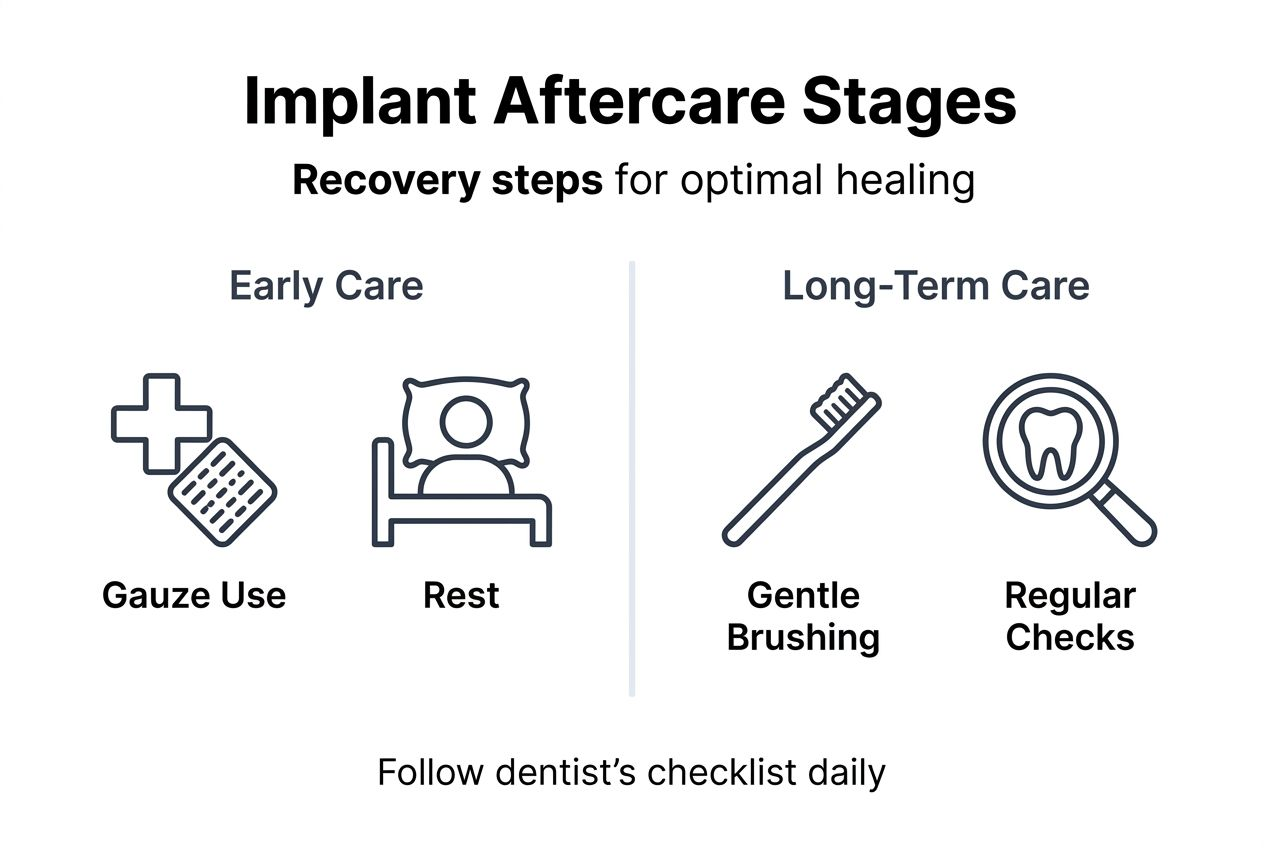
Our phased approach divides aftercare into manageable stages. Immediate care focuses on wound protection and pain management. Intermediate care introduces hygiene practices and monitors early healing. Long-term maintenance preserves your implant through routine professional cleanings and home care. Understanding this timeline helps you prepare mentally and practically for each stage.
Pro Tip: Create a daily checklist for the first two weeks post-surgery. Mark off each care task as you complete it to ensure nothing gets forgotten during this critical healing window.
Before starting your dental implant process guide, review these foundational concepts with your dental team to clarify any questions about your specific healing timeline.
Prerequisites before starting aftercare
Successful aftercare begins before your surgery date. Medical clearance ensures you’re healthy enough for the procedure and healing process. Your dentist evaluates conditions like diabetes, osteoporosis, or immune disorders that might affect integration. Uncontrolled diabetes, for instance, slows healing and increases infection risk.
Gather these essential supplies before surgery day:
- Soft-bristle toothbrush specifically for gentle cleaning
- Antimicrobial mouthwash containing chlorhexidine
- Implant-specific floss or interdental brushes
- Ice packs for swelling management
- Soft foods like yogurt, smoothies, mashed potatoes, and soup
| Supply Category | Specific Items | Purpose |
|---|---|---|
| Hygiene tools | Soft toothbrush, chlorhexidine rinse, implant floss | Infection prevention and gentle cleaning |
| Comfort aids | Ice packs, extra pillows | Swelling and pain management |
| Diet support | Soft foods, protein shakes, electrolyte drinks | Nutrition without mechanical stress |
| Medications | Prescribed antibiotics, pain relievers | Infection prevention and comfort |
Understand your medications thoroughly. Your dentist prescribes antibiotics to prevent infection and pain medication for comfort. Know the dosing schedule, potential side effects, and any food interactions. Never skip antibiotic doses, even if you feel fine.
Lifestyle modifications prove essential. Smoking doubles the risk of implant failure by restricting blood flow to healing tissues. Nicotine constricts blood vessels, limiting oxygen and nutrient delivery to the surgical site. Commit to cessation at least two weeks before surgery and throughout the healing period.
Pro Tip: Set up a recovery station at home before surgery. Stock it with all your supplies, medications, and soft foods within easy reach so you can rest comfortably without scrambling for necessities.
Learn how to prepare for dental implants by discussing your complete medical history and current medications with your dental team during the consultation phase.
Immediate post-operative care (first 24 to 72 hours)
The first three days determine initial healing success. Your primary goal is protecting the blood clot that forms over the implant site. This clot acts as a biological bandage, preventing infection and creating the foundation for tissue regeneration.
Critical first 24 hours:
- Avoid rinsing or spitting to prevent dislodging the protective clot
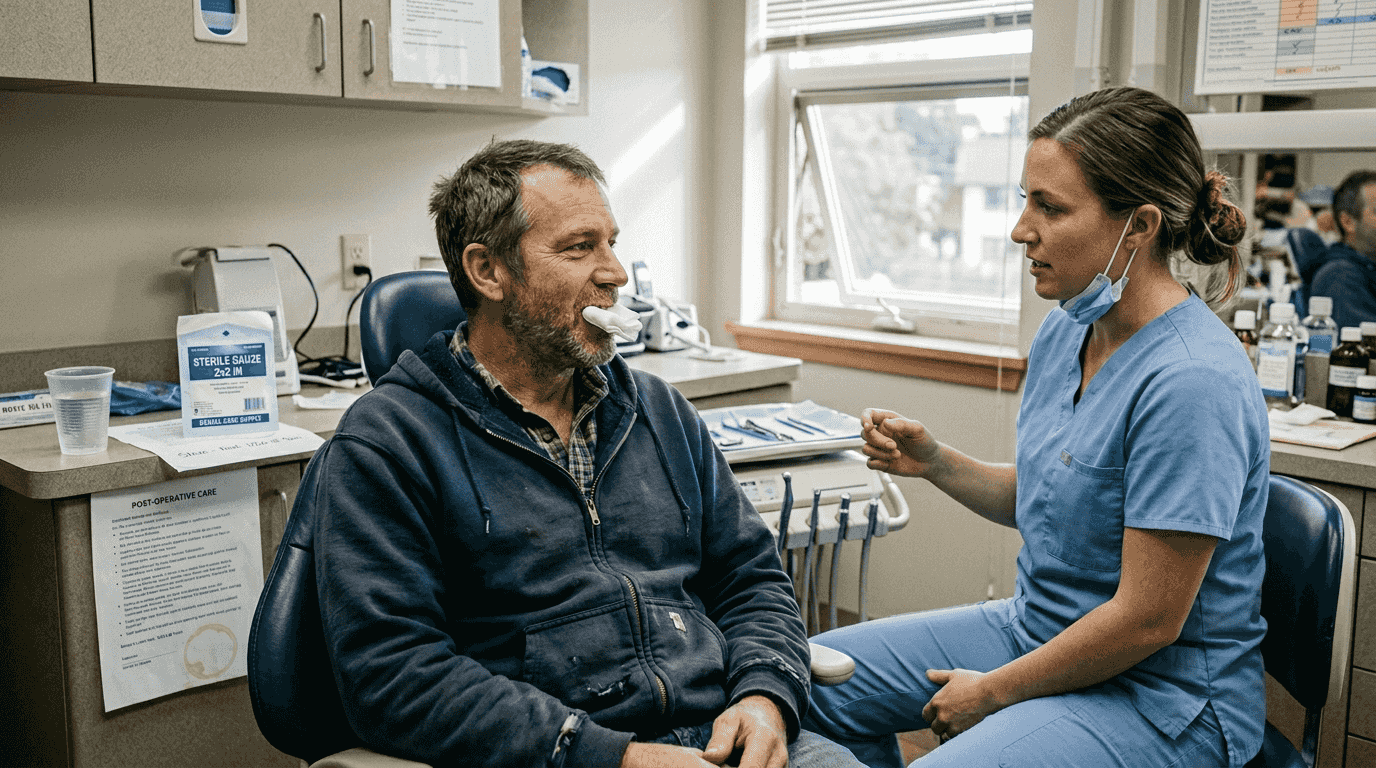
- Keep gauze pads in place for the first hour, changing them only if bleeding continues
- Rest with your head elevated to minimize swelling
- Apply ice packs for 15 minutes on, 15 minutes off during waking hours
- Take prescribed medications exactly as directed
Swelling peaks around 48 to 72 hours post-surgery. Cold compresses applied to the outside of your face reduce inflammation effectively. Never apply ice directly to skin. Wrap packs in a thin towel to prevent tissue damage.
Your diet requires careful attention. Consume only soft, lukewarm foods for at least 72 hours:
- Yogurt and pudding
- Mashed potatoes without chunks
- Protein shakes and smoothies
- Lukewarm soup (avoid hot temperatures)
- Scrambled eggs
Avoid strenuous physical activity. Exercise increases blood pressure, which can trigger bleeding and disrupt clot formation. Postpone gym workouts, heavy lifting, and intense cardio for at least one week.
After the first 24 hours, begin gentle antimicrobial rinses. Use chlorhexidine rinses twice daily for 14 days to reduce bacterial load and infection risk. Swish gently without force, letting the solution flow naturally around your mouth.
“The immediate post-operative period sets the stage for long-term implant success. Patient compliance during these first 72 hours directly correlates with complication rates and healing quality.”
Review detailed post-operative instructions provided by your dental team and keep them accessible for quick reference during recovery.
Oral hygiene and care practices after initial healing phase
Once you pass the critical 24-hour mark, gradually reintroduce oral hygiene while protecting the healing site. Proper cleaning prevents infection without disrupting tissue regeneration.
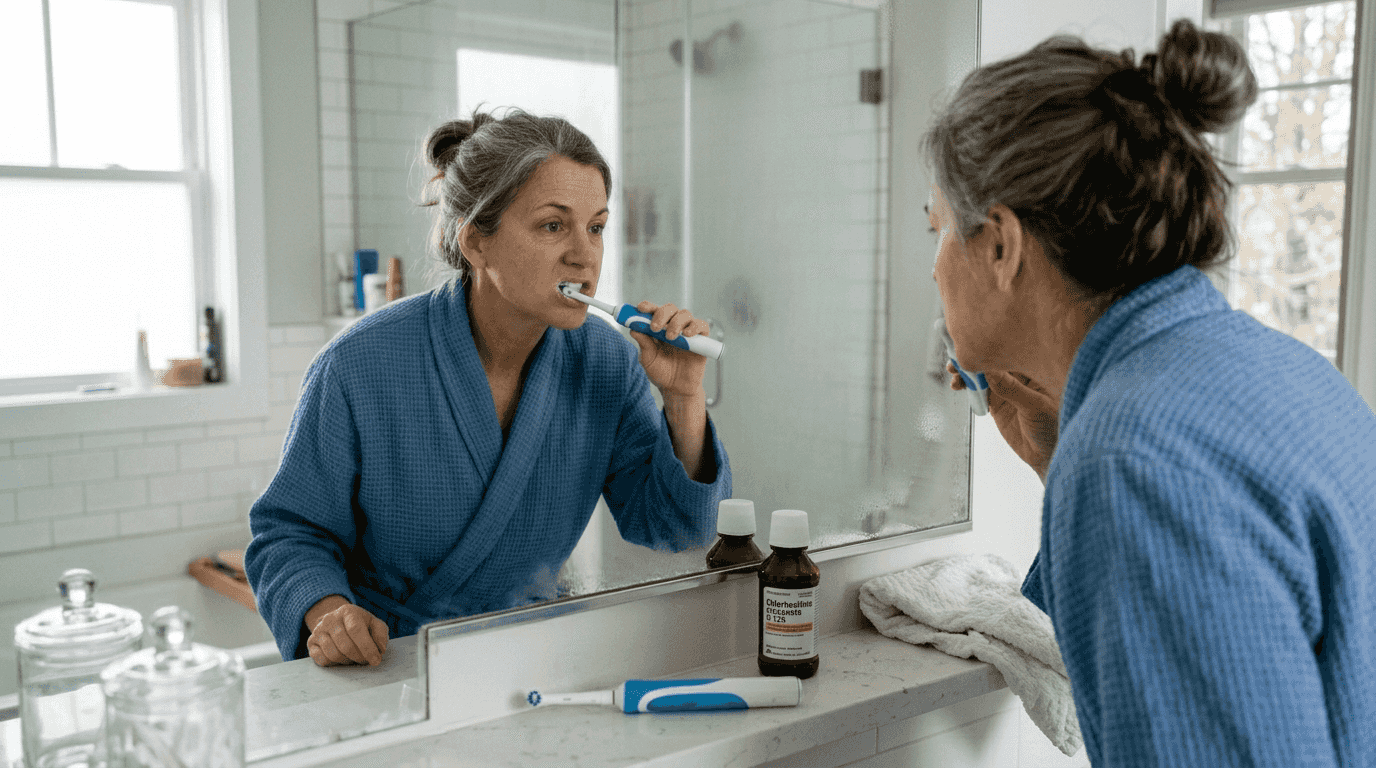
Start gentle brushing around the implant area after 24 hours using a soft-bristle brush. Angle bristles away from the surgical site initially, cleaning adjacent teeth thoroughly. Avoid directly scrubbing the implant area for the first week. Focus on keeping the rest of your mouth clean to reduce overall bacterial load.
Hygiene progression timeline:
- Days 1 to 3: Brush teeth away from surgical site only
- Days 4 to 7: Gently brush near implant with feather-light pressure
- Days 8 to 14: Gradually increase gentle brushing around implant
- Week 3 onward: Resume normal brushing technique with soft brush
Flossing requires patience. Implant recipients should begin gentle brushing after 24 hours and delayed flossing to avoid tissue damage. Wait two full weeks before attempting to floss near the implant. When you do resume, use implant-specific floss designed to slide smoothly without catching on healing tissues.
Continue your prescribed antimicrobial rinses for the full 14-day course. These chlorhexidine-based solutions significantly reduce infection risk during vulnerable early healing. Swish gently for 30 seconds twice daily, preferably after meals.
- Never use alcohol-based mouthwashes during healing as they irritate tissues
- Avoid vigorous swishing that creates pressure on the surgical site
- Rinse after meals to clear food debris gently
Maintaining overall oral hygiene prevents peri-implantitis, an inflammatory condition affecting tissues around implants. Bacteria from other areas of your mouth can migrate to the implant site, causing infection even if you clean the implant itself carefully.
Pro Tip: Set phone reminders for your twice-daily antimicrobial rinses. Consistency matters more than perfection, and these alerts help you maintain the schedule even when busy or tired.
Explore comprehensive dental implant maintenance tips to understand long-term care strategies that extend implant lifespan.
Diet and lifestyle recommendations to support healing
What you eat and how you live directly impact healing speed and implant integration success. Strategic nutritional choices provide building blocks for tissue repair while lifestyle modifications eliminate factors that impair recovery.
Consume soft foods for at least one week, gradually transitioning to your normal diet as comfort allows. Soft foods prevent mechanical stress on the implant that could disrupt initial stability. Your body needs protein for tissue repair and vitamins for immune function, so choose nutrient-dense options:
- Greek yogurt for protein and probiotics
- Mashed sweet potatoes for vitamin A
- Protein smoothies with berries for antioxidants
- Scrambled eggs for complete protein
- Pureed vegetable soups for vitamins and minerals
Avoid these foods during the first two weeks:
- Hard or crunchy items like chips, nuts, and raw vegetables
- Sticky foods like caramel or chewy candies
- Spicy dishes that irritate healing tissues
- Very hot foods or beverages that increase inflammation
- Acidic items like citrus or tomatoes that may cause discomfort
Alcohol consumption requires elimination during healing. Alcohol thins blood, potentially causing bleeding, and interferes with medication effectiveness. It also dehydrates tissues, slowing the healing process. Wait until your dentist confirms complete initial healing before resuming alcohol.
Smoking doubles the risk of implant failure by restricting blood flow to the surgical site. Every cigarette constricts blood vessels for hours, limiting oxygen and nutrient delivery to healing bone and soft tissue. If you cannot quit permanently, abstain completely for at least eight weeks post-surgery.
Limit strenuous exercise during the first week. Elevated blood pressure from intense activity can trigger bleeding and disrupt early healing. Light walking is acceptable, but postpone running, weightlifting, or high-intensity workouts until your first follow-up appointment confirms proper initial healing.
Maintain these healthy lifestyle practices beyond initial recovery. Good nutrition and habits learned during aftercare benefit your healthy smile long-term, supporting not just your implant but your overall oral health.
Follow-up care and monitoring
Professional monitoring ensures your implant heals properly and catches potential complications early when they’re easiest to address. Your dentist tracks healing progress through visual examination, probing, and sometimes imaging.
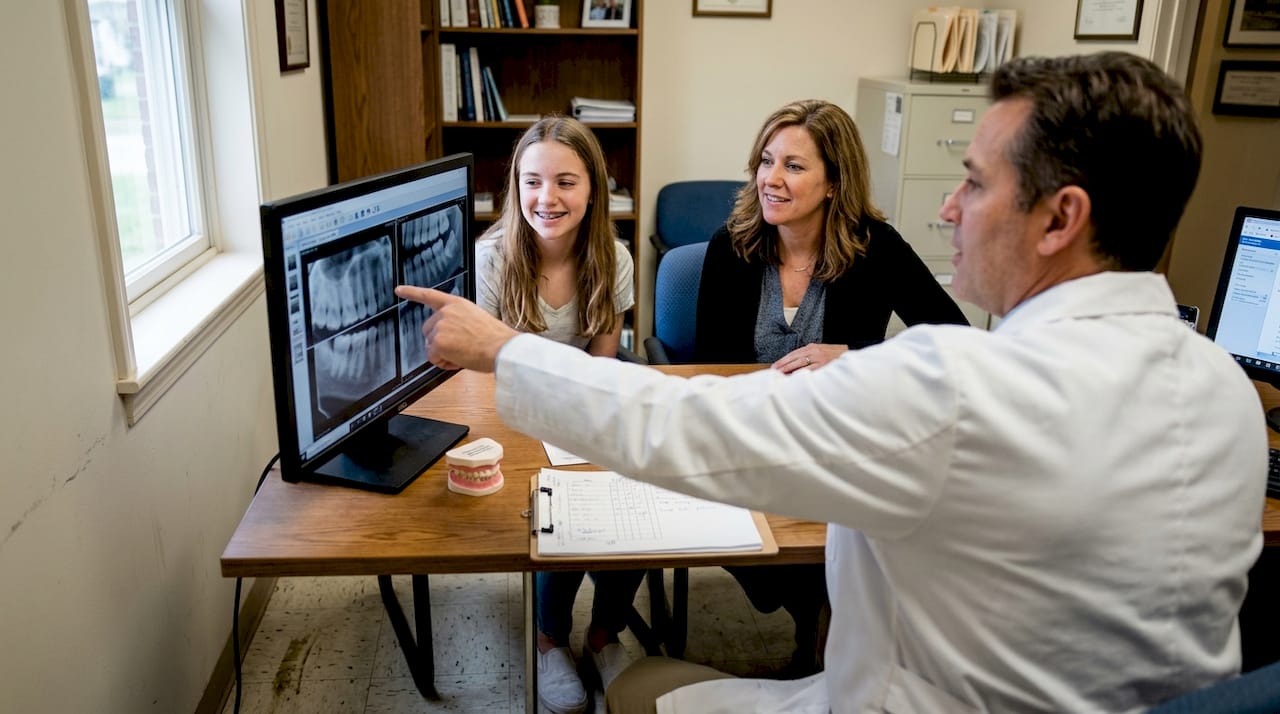
Schedule your first follow-up within 7 to 10 days post-surgery. During this visit, your dentist removes sutures if non-dissolving ones were used, examines tissue healing, and assesses initial implant stability. This appointment also provides an opportunity to discuss any concerns or unusual symptoms you’ve experienced.
Report these warning signs immediately, without waiting for scheduled appointments:
- Persistent swelling that worsens after 72 hours
- Severe pain not controlled by prescribed medication
- Continuous bleeding beyond the first 24 hours
- Fever above 101°F indicating possible infection
- Foul taste or odor from the surgical site
- Visible pus or discharge around the implant
- Implant feeling loose or mobile
Continue routine maintenance visits every three to six months after initial healing completes. These professional cleanings remove plaque and tartar that home care misses, particularly around the implant crown and abutment junction. Your hygienist uses specialized instruments designed not to scratch the implant surface.
Professional assessment confirms osseointegration progress through clinical examination and periodic X-rays. Your dentist checks for proper bone growth around the implant, ensuring the integration process proceeds normally. This monitoring continues even after your permanent crown placement.
Your dental team tracks success metrics over time, comparing bone levels on X-rays and measuring pocket depths around the implant. These objective measurements identify potential problems like bone loss before they become severe.
Review post-operative instructions between appointments to ensure you’re following all recommended care protocols consistently throughout the healing timeline.
Common mistakes and troubleshooting
Understanding frequent patient errors helps you avoid setbacks that delay healing or compromise implant success. Most complications stem from misunderstanding instructions or underestimating the importance of specific aftercare steps.
Rinsing or spitting aggressively within the first 24 hours ranks as the most common mistake. Patients feel uncomfortable with blood taste and instinctively want to clean their mouth. This disrupts the protective blood clot, causing dry socket-like conditions that significantly delay healing. Instead, let saliva mixed with blood drain naturally or dab gently with gauze.
Neglecting oral hygiene from fear of hurting the implant creates the opposite problem. Bacteria multiply rapidly, increasing infection risk far more than gentle cleaning ever could. Start careful hygiene exactly as instructed, even if the area feels tender. Clean teeth thoroughly while being appropriately gentle near the surgical site.
Premature flossing damages delicate healing tissue. Patients eager to resume normal routines sometimes floss too soon, tearing regenerating gum tissue around the implant. This sets back healing by weeks and creates entry points for bacteria. Wait the full two weeks before attempting to floss near the implant.
Smoking continues as a persistent problem despite clear warnings. Peri-implantitis affects 10 to 15% of patients, with links to poor hygiene and smoking. Patients rationalize that a few cigarettes won’t matter, but even occasional smoking significantly impairs healing. The cumulative effect of restricted blood flow compounds over time.
Skipping follow-up appointments prevents early detection of complications. Patients who feel fine assume everything is healing properly and skip professional monitoring. Subtle problems like beginning bone loss or early infection often have no symptoms initially but benefit enormously from early intervention.
“Patient education and compliance represent the most significant controllable factors in implant success. The technical surgical skill matters, but patient aftercare execution determines long-term outcomes.”
When you catch yourself tempted to skip a step or modify instructions, remember that these protocols exist because they work. Your short-term discipline creates long-term implant success.
Expected outcomes and success metrics
Understanding normal healing progression and success indicators helps you monitor recovery confidently and recognize when something needs attention.
Typical healing follows this timeline:
- Weeks 1 to 2: Soft tissue healing, suture removal, reduced swelling
- Weeks 3 to 6: Continued tissue maturation, minimal discomfort, normal eating
- Months 2 to 3: Early osseointegration, bone beginning to attach to implant
- Months 4 to 6: Mature osseointegration, implant fully stable and ready for restoration
| Healing Phase | Timeline | Success Indicators | Warning Signs |
|---|---|---|---|
| Immediate | Days 1 to 3 | Controlled bleeding, manageable pain, forming clot | Excessive bleeding, severe pain, fever |
| Early tissue healing | Weeks 1 to 2 | Closing gum tissue, decreasing swelling | Increasing swelling, pus, bad odor |
| Soft tissue maturation | Weeks 3 to 6 | Pink healthy gums, comfortable cleaning | Redness, tenderness, bleeding when brushing |
| Osseointegration | Months 3 to 6 | Stable implant, no mobility, normal sensation | Implant movement, persistent pain, bone loss on X-ray |
Patients adhering to aftercare protocols achieve >95% success rate at one year. This high success rate reflects the combined impact of surgical skill and patient compliance. Your role in aftercare matters just as much as your dentist’s technical expertise.
Monitor these self-assessment indicators throughout healing:
- Progressively decreasing discomfort over the first month
- No sensitivity to pressure when eating soft foods by week three
- Ability to clean around the implant comfortably by week four
- Gum tissue appearing pink and healthy without redness
- No mobility or movement when you gently press the area
Your implant should feel increasingly like a natural tooth as osseointegration progresses. By six months, most patients forget which tooth is the implant without consciously thinking about it.
Learn more about dental implant terminology to better understand your dental team’s explanations during follow-up visits and treatment discussions.
Explore expert dental implant services at Monteluz Specialty
Proper aftercare works best when paired with expert implant placement from experienced professionals. Monteluz Dental Specialty Group combines advanced surgical techniques with comprehensive patient education, ensuring you receive both excellent initial treatment and the knowledge to maintain your investment.
Our Inland Empire practice specializes in dental implants, offering solutions from single tooth replacement to full arch restorations. We guide you through every phase, from initial consultation through final restoration and ongoing maintenance. Our team’s expertise ensures your implants are placed optimally for long-term success.
Whether you’re considering dental implants for missing teeth or want to understand the life-changing benefits of dental implants, our specialists provide personalized treatment plans that fit your needs and budget. We accept Denti-Cal, PPO, and HMO insurance plans, plus offer affordable membership options starting at just $20 monthly for uninsured patients.
Explore our comprehensive permanent dental implants San Bernardino services and schedule a consultation to discuss how implants can restore your smile, confidence, and quality of life.
Frequently asked questions
How long does the dental implant aftercare process last?
Aftercare spans from immediate post-surgery care through complete osseointegration, typically three to six months for the critical healing phase. However, long-term maintenance through proper hygiene and routine dental checkups continues indefinitely. Your implant requires ongoing care similar to natural teeth, including professional cleanings every three to six months and daily home care to prevent peri-implantitis and ensure lasting success.
Can I smoke during the dental implant healing period?
Smoking doubles the risk of implant failure by restricting blood flow to healing tissues. Nicotine constricts blood vessels, limiting oxygen and nutrient delivery essential for bone integration. Complete cessation is strongly advised from at least two weeks before surgery through the entire osseointegration period. Even occasional smoking significantly compromises healing and long-term implant stability.
What diet should I follow after dental implant surgery?
Consume only soft, non-irritating foods for at least one week post-surgery to avoid mechanical stress on the implant site. Good options include yogurt, mashed potatoes, protein shakes, scrambled eggs, and lukewarm soups. Avoid hard, crunchy, spicy, or very hot foods during initial healing. Gradually transition back to your normal diet as comfort allows, typically by week two or three, while continuing to chew carefully on the opposite side.
When should I contact my dentist during aftercare?
Seek immediate dental attention if you experience persistent or worsening swelling after 72 hours, continuous bleeding beyond 24 hours, severe pain uncontrolled by prescribed medication, fever above 101°F, foul odor or taste, visible pus, or any implant mobility. Additionally, never skip scheduled follow-up appointments, as these visits allow your dentist to monitor healing progress, detect subtle problems early, and confirm proper osseointegration through clinical examination and imaging.
Recommended
- Dental implant guide 2026: 90% success for Denti-Cal patients
- Top 6 Best Dental Implant Options in 2026 for Affordable Care
- Dental Implant Checklist 2026: 20% Higher CA Costs & Tips
- 7 Essential Dental Implant Maintenance Tips for Long-Term Health