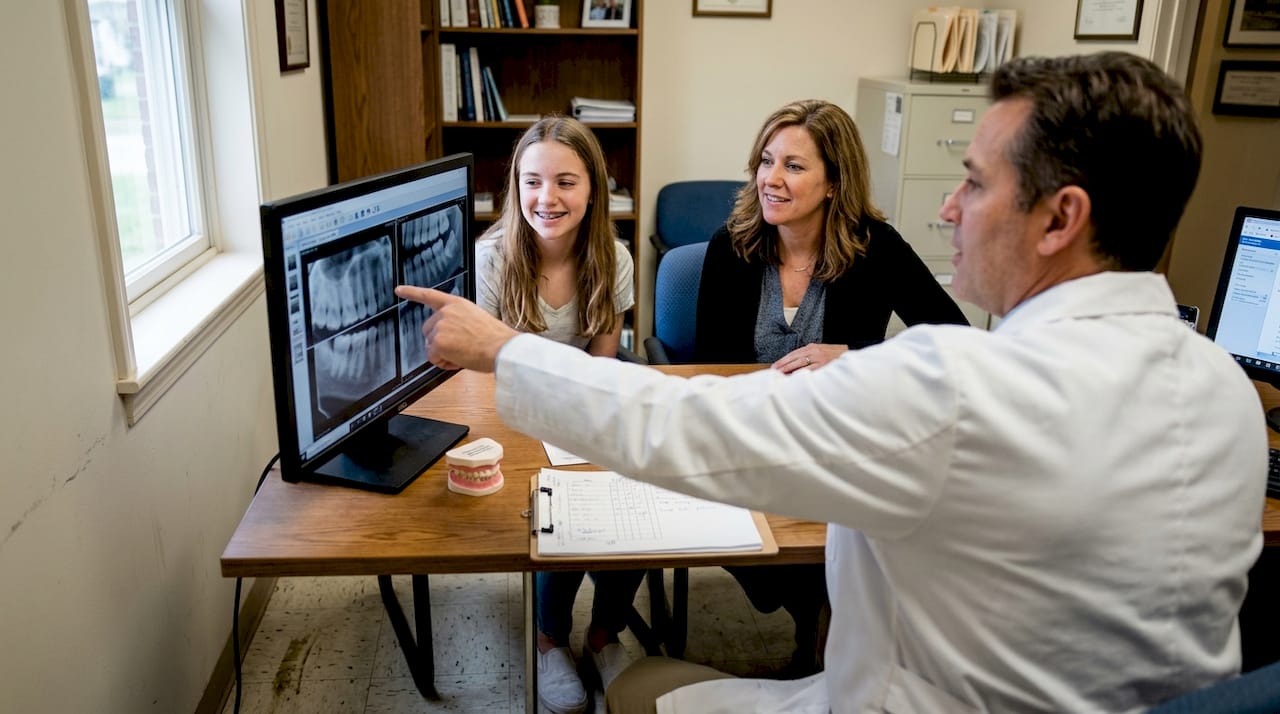
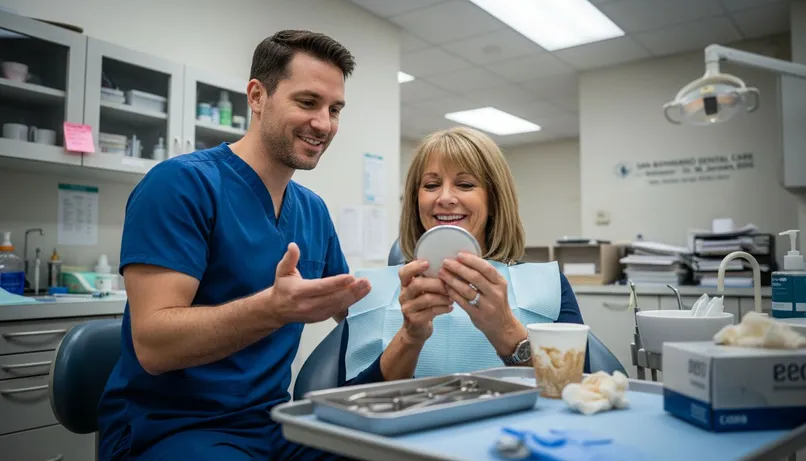
Many American families in San Bernardino face tough choices when it comes to restoring their smiles, with over 36 million people in the United States missing all their teeth in at least one jaw. For Spanish-speaking individuals, the search for affordable dental implants is not just about cost, but also about trust and lasting results. This guide cuts through confusing myths and gives you straightforward facts about safe, low-cost implant options using Denti-Cal and qualified providers who value quality care and ongoing support.
Table of Contents
Key Takeaways
| Point | Details |
| Understanding Dental Implants | Dental implants provide a permanent solution for missing teeth, offering improved functionality and aesthetics compared to traditional dentures and bridges. |
| Candidacy Requirements | Candidates for implants must exhibit good oral and overall health, with sufficient bone density to support the implant. |
| Dental Implant Procedure | The implant procedure involves multiple stages, including consultation, surgical placement, healing, and crown attachment, tailored to individual patient needs. |
| Comparative Advantages | Dental implants outperform dentures and bridges in longevity, stability, and preservation of jawbone health, making them a superior choice for tooth replacement. |
Dental implants explained and common myths
Dental implants represent a revolutionary approach to tooth replacement, offering patients a permanent solution for missing teeth. These sophisticated medical devices consist of a titanium screw surgically placed into the jawbone, which acts as an artificial tooth root. Permanent tooth replacement techniques have advanced dramatically, providing patients with incredibly natural-looking and functional alternatives to traditional dentures.
The procedure involves three primary components: the titanium implant, an abutment, and a custom-designed crown. During the surgical process, the titanium post is carefully inserted into the jawbone, where it gradually fuses with the bone through a process called osseointegration. This biological integration ensures remarkable stability and strength, mimicking the function of a natural tooth root. Patients can expect a comprehensive treatment plan that involves initial consultation, surgical placement, healing period, and final crown attachment.
Numerous myths surround dental implants, often preventing people from exploring this transformative treatment. Many patients mistakenly believe implants are excessively painful or prohibitively expensive. However, modern implant technologies demonstrate that the procedure is typically performed under local anesthesia, with most patients reporting minimal discomfort. Another common misconception is that implants are not suitable for older adults, when in fact, age is less critical than overall health and bone density.
The success of dental implants depends on several key factors, including patient health, oral hygiene, and professional expertise. Individuals with certain conditions like uncontrolled diabetes or those who smoke might require additional evaluation. Regular dental check-ups, meticulous oral care, and following your dentist’s specific recommendations can significantly enhance implant longevity and performance.
Pro tip: Schedule a comprehensive consultation to determine your specific candidacy and understand the personalized treatment approach for your dental implant journey.
Types of dental implants and key differences
Dental implants are not a one-size-fits-all solution, with multiple types designed to address diverse patient needs and anatomical variations. Dental implant technologies have evolved to offer patients specialized options that accommodate different bone structures, health conditions, and treatment goals. The primary categories include traditional implants, mini implants, and specialized material-based alternatives like titanium and zirconia implants.
The most common types of dental implants are endosteal and subperiosteal implants, each with unique characteristics and applications. Endosteal implants, which are surgically placed directly into the jawbone, represent the standard approach for most patients with sufficient bone density. These implants typically consist of a titanium screw that fuses with the bone, providing exceptional stability and long-term support. In contrast, subperiosteal implant techniques are designed for patients with limited bone height, resting on top of the jawbone beneath the gum tissue and offering an alternative for those who might not qualify for traditional implant procedures.
Material selection plays a crucial role in implant success and patient compatibility. Titanium remains the most prevalent material due to its remarkable biocompatibility and strength, allowing seamless integration with human bone tissue. Zirconia implants have emerged as an excellent alternative, particularly for patients with metal sensitivities or those seeking a more aesthetic solution. These ceramic-based implants offer exceptional durability and a more natural appearance, though they may have slightly different placement requirements compared to traditional titanium implants.
Here’s a side-by-side comparison of common dental implant materials and their key properties:
| Material | Biocompatibility | Durability | Appearance |
| Titanium | Highly compatible | Extremely strong | Metallic, very stable |
| Zirconia | Excellent for allergies | Durable, less elastic | Tooth-colored, more aesthetic |
Patient candidacy for specific implant types depends on multiple factors, including bone density, overall health, and individual anatomical considerations. Some patients might benefit from mini dental implants, which are smaller and less invasive, allowing for quicker placement and reduced healing time. Ultimately, a comprehensive dental evaluation will determine the most appropriate implant type, considering the patient’s unique oral health profile and long-term treatment objectives.
Pro tip: Consult with a dental specialist who can conduct a thorough assessment and recommend the most suitable implant type tailored to your specific oral health needs and anatomical characteristics.
Step-by-step dental implant procedure details
The dental implant journey is a carefully orchestrated process that transforms missing teeth through precise surgical techniques and advanced medical planning. Dental implant surgery requires multiple strategic stages, each designed to ensure optimal patient outcomes and long-term oral health. The comprehensive procedure begins with an extensive initial consultation and diagnostic imaging to assess the patient’s unique anatomical requirements and potential treatment challenges.
Typically, the implant procedure follows a structured sequence of critical steps. First, any damaged or problematic teeth are carefully extracted, creating a clean surgical site. If the patient’s jawbone lacks sufficient density, a bone grafting procedure might be performed to enhance structural support. During the primary surgical intervention, a titanium implant post is precisely positioned into the jawbone, where it will gradually integrate through a biological process called osseointegration. Surgical placement techniques require exceptional precision, with the implant strategically angled and positioned to maximize stability and future functional performance.
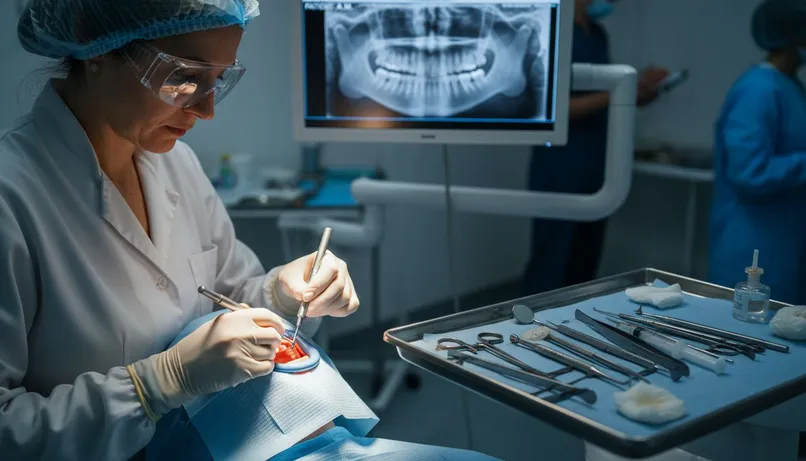
After the initial implant placement, a critical healing period of several months allows the titanium post to fuse seamlessly with the surrounding bone tissue. During this phase, patients may receive temporary prosthetic solutions to maintain aesthetic appearance and basic dental function. Once complete osseointegration is confirmed through medical imaging, the next phase involves attaching a custom abutment that will connect the implant to the final dental crown. The concluding stage includes designing and placing a meticulously crafted ceramic or porcelain crown that matches the patient’s existing teeth in color, shape, and translucency.
Each dental implant procedure is uniquely tailored to individual patient needs, with variations possible depending on specific health conditions, bone structure, and treatment objectives. Factors such as overall health, healing capacity, and oral hygiene play crucial roles in determining the precise surgical approach and potential modifications to the standard protocol. Advanced imaging technologies like 3D cone beam scans enable dentists to plan implant placement with unprecedented accuracy, minimizing potential complications and optimizing long-term success.
Pro tip: Schedule a comprehensive preliminary consultation to understand your specific implant requirements and develop a personalized treatment strategy that addresses your unique oral health profile.
Who qualifies for implants and what to expect
Dental implants offer transformative solutions for individuals with missing teeth, but not everyone is an immediate candidate for this advanced treatment. Dental implant qualifications depend on a comprehensive evaluation of overall health, bone structure, and specific medical conditions. Generally, patients must demonstrate good oral and general health, with sufficient jawbone density to support the implant and the ability to undergo surgical procedures.
Key factors determining implant candidacy include overall medical history and current health status. Patients with controlled chronic conditions might still be suitable candidates, though certain medical challenges can complicate the procedure. Uncontrolled diabetes, active cancer treatments, severe immune disorders, and significant bone loss can potentially disqualify individuals. Smoking presents another critical consideration, as tobacco use significantly reduces implant success rates and can impair healing processes. Oral health evaluation involves a detailed assessment of gum health, existing bone structure, and potential need for preparatory procedures like bone grafting.
Patients should anticipate a multi-stage consultation and assessment process before proceeding with dental implants. This typically includes comprehensive medical history review, detailed imaging studies such as 3D cone beam scans, and a thorough oral examination. Potential candidates can expect multiple appointments to develop a personalized treatment plan, with discussions covering surgical approaches, healing timelines, and potential modifications based on individual anatomical characteristics. Some patients might require preliminary treatments like bone grafting or periodontal therapy to optimize conditions for successful implant placement.
The ideal implant candidate maintains good oral hygiene, demonstrates commitment to post-surgical care, and has realistic expectations about the treatment process. Age is less critical than overall health and bone quality, meaning both younger and older patients can potentially benefit from dental implants. Understanding that the process involves multiple stages, potential healing periods, and ongoing maintenance is crucial for setting appropriate expectations and ensuring long-term success.
Pro tip: Gather comprehensive medical records and schedule a detailed consultation to receive a personalized assessment of your dental implant candidacy.
Risks, recovery, and financial considerations
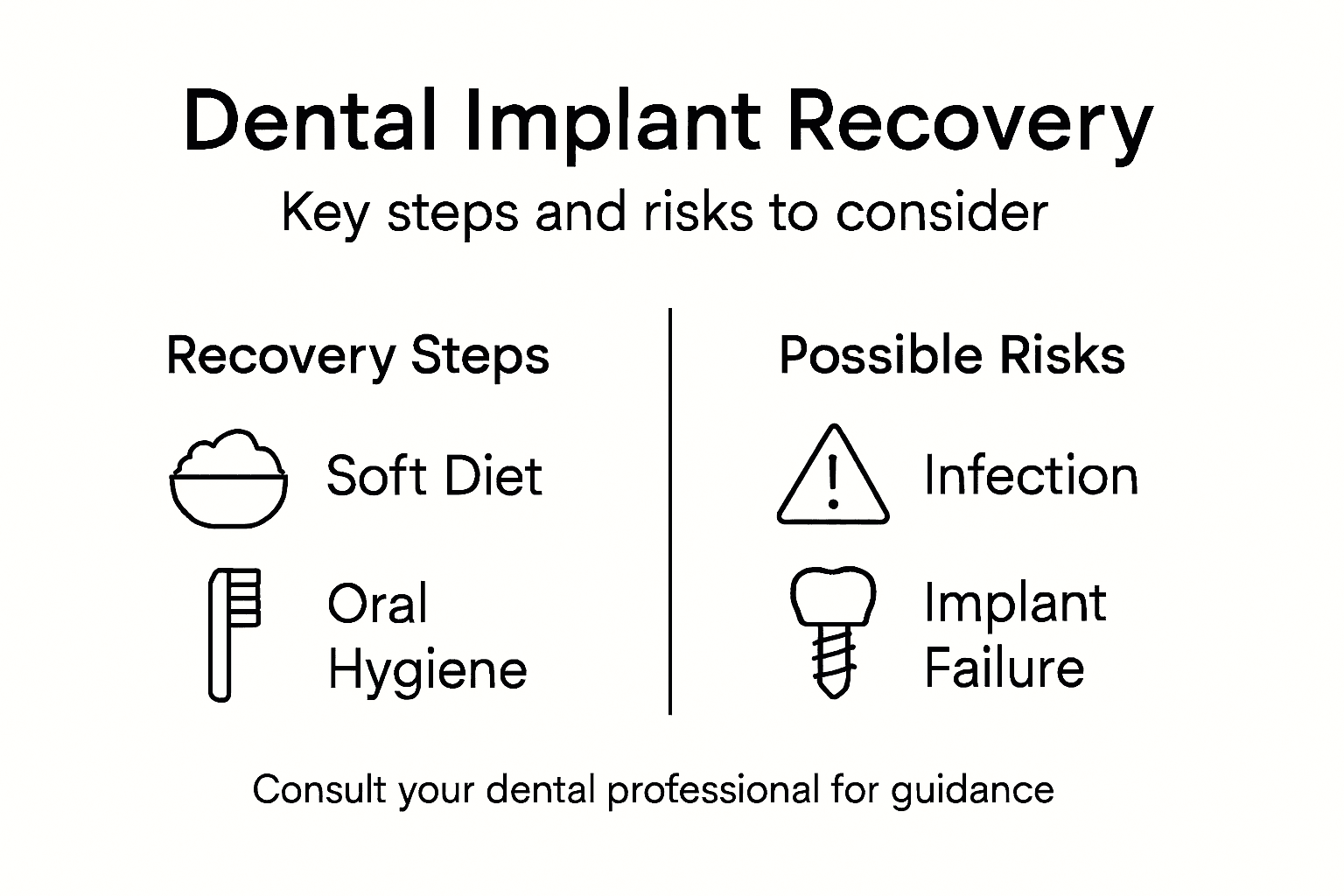
Dental implant procedures, while generally safe and highly successful, involve inherent surgical risks that patients must thoroughly understand before proceeding. Dental implant safety requires comprehensive awareness of potential complications, including infection risks, potential nerve damage, and the small possibility of implant failure. These risks are significantly minimized when procedures are performed by experienced dental specialists who follow rigorous medical protocols and conduct thorough pre-surgical evaluations.
Recovery from dental implant surgery is a nuanced process that demands patient commitment and meticulous post-operative care. The osseointegration period, during which the titanium implant fuses with the jawbone, typically spans several months and requires careful monitoring. Patients can expect some initial discomfort, swelling, and potential minor bleeding, which gradually subsides as healing progresses. Following the dentist’s specific recovery instructions, maintaining excellent oral hygiene, and attending scheduled follow-up appointments are critical for ensuring optimal healing and long-term implant success.
Financial considerations for dental implants represent a significant aspect of the treatment decision. While initial costs can be substantial, ranging from several thousand dollars per implant, patients should evaluate the long-term value rather than just the upfront expense. Dental insurance coverage varies widely, with some plans covering portions of the procedure, while others may classify implants as an elective treatment. Patients are encouraged to explore multiple financial options, including dental financing plans, health savings accounts, and potential payment arrangements with their dental provider.
Beyond immediate surgical risks, patients should consider potential long-term complications such as peri-implantitis, a inflammatory condition affecting the soft and hard tissues surrounding the implant. Regular professional examinations, consistent oral hygiene practices, and addressing any early warning signs can significantly mitigate these risks. Some patients might require additional procedures like bone grafting or sinus lifts, which can incrementally increase overall treatment complexity and cost.
Pro tip: Request a comprehensive written treatment plan that details all potential risks, recovery expectations, and a transparent breakdown of total costs before committing to dental implant surgery.
Comparing implants to dentures and bridges
Dental restoration options vary widely, with dental implants representing a revolutionary approach to tooth replacement that significantly differs from traditional dentures and bridges. Unlike removable prosthetics, implants function as permanent, surgically embedded solutions that mimic natural tooth structures, offering patients a more stable and physiologically integrated alternative to conventional tooth replacement methods.
Dentures, which are removable appliances, typically rest on the gum surface and can cause discomfort, potential speech impediments, and reduced chewing efficiency. Dental bridges, while more stable than dentures, require modification of adjacent healthy teeth to anchor the prosthetic, potentially compromising the integrity of surrounding dental structures. In contrast, dental implants stand independently, preserving neighboring teeth and providing a more natural biomechanical solution that maintains jawbone density and promotes long-term oral health.
The fundamental differences extend beyond physical placement and structural design. Implants offer superior stability by integrating directly with the jawbone through a process called osseointegration, which prevents bone deterioration commonly associated with dentures and bridges. This biological integration provides patients with improved sensory feedback, more natural chewing dynamics, and enhanced aesthetic outcomes. Additionally, implants require less maintenance compared to removable alternatives, presenting a more convenient and sustainable long-term solution for individuals seeking comprehensive tooth replacement.
Use this table to understand how dental implants differ from dentures and bridges in critical areas:
| Aspect | Dental Implants | Dentures | Bridges |
| Longevity | 15+ years, often lifetime | 5–10 years, requires replacement | 10–15 years, moderate durability |
| Maintenance | Basic oral hygiene | Special cleaning, adhesive use | Flossing, may trap food |
| Jawbone Health | Preserves bone structure | May accelerate bone loss | Limited bone preservation |
| Impact on Teeth | No effect on adjacent teeth | No direct impact | May require filing healthy teeth |
Each tooth replacement option carries unique advantages and considerations. Dentures remain most cost-effective initially but require periodic replacements and adjustments. Bridges provide intermediate stability but involve altering healthy teeth. Dental implants, while representing a higher upfront investment, offer the most comprehensive solution in terms of functionality, durability, and physiological preservation. Patients should carefully evaluate their specific oral health conditions, budget constraints, and long-term wellness goals when selecting the most appropriate tooth replacement strategy.
Pro tip: Consult with a dental professional to conduct a comprehensive oral assessment and develop a personalized tooth replacement strategy tailored to your specific anatomical and financial considerations.
Discover Lasting Dental Implant Solutions with Monteluz Dental Specialty Group
Experiencing tooth loss can be overwhelming and painful, but modern dental implant procedures offer a transformative path to restoring your smile and confidence. This article highlights key challenges such as finding the right implant type, understanding the surgical journey, and managing recovery while overcoming myths and fears. At Monteluz Dental Specialty Group, we understand these concerns and are dedicated to delivering advanced implant treatments tailored to each patient’s unique oral health needs. Our commitment to accessibility means you can receive expert care without worry about cost or language barriers.
Ready to start your dental implant journey in San Bernardino with a trusted partner by your side Visit Monteluz Dental Specialty Group to schedule your personalized consultation Find detailed insights and patient resources in our Dental Health and explore how our comprehensive services help you achieve long-lasting, natural smiles Don’t wait for discomfort or uncertainty to hold you back Act now for accessible care designed around you
Frequently Asked Questions
What are dental implants?
Dental implants are titanium screws surgically placed into the jawbone to serve as artificial tooth roots, providing a permanent solution for missing teeth.
How long does the dental implant procedure take?
The dental implant process typically involves multiple stages, including initial consultation, implant placement, osseointegration (which may take a few months), and attaching the final crown, making the entire timeline dependent on individual healing.
Are dental implants painful?
Most patients report minimal discomfort during the dental implant procedure, as it is usually performed under local anesthesia. Post-operative pain can be managed with prescribed pain relievers.
What factors affect the success of dental implants?
Success depends on several factors, including the patient’s overall health, bone density, oral hygiene practices, and adherence to the dentist’s post-operative care instructions.
Recommended
-
Dental Implants Center In San Bernardino California
-
The Life-Changing Benefits of Dental Implants: Restore Your Smile
-
Dental Implants Missing Teeth Tooth Replacement