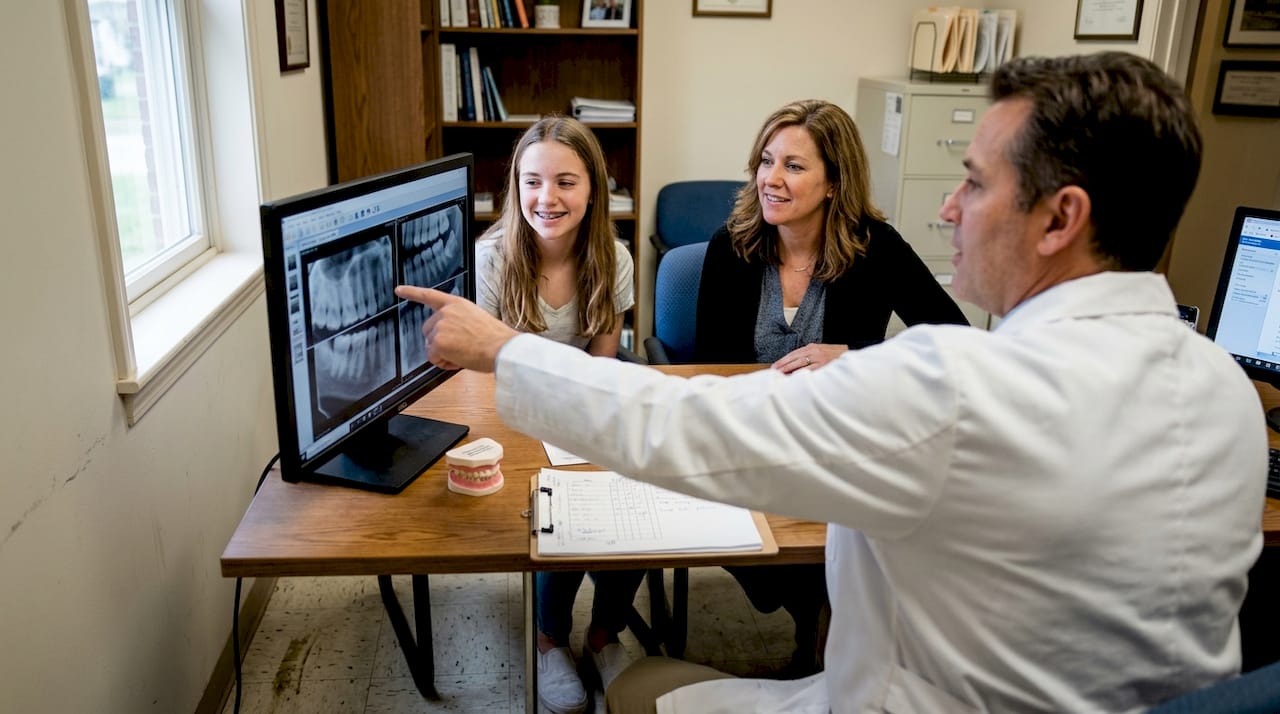

Choosing the right dental provider can feel like navigating a maze, especially when your tooth pain is urgent, your budget is tight, and you’re not sure whether you need a root canal specialist, a gum disease expert, or something else entirely. The ADA recognizes 12 dental specialties, each with its own focused training and scope of care. For families in the Inland Empire, knowing who does what is not just a matter of convenience. It can mean the difference between saving a tooth and losing it, or between an affordable treatment plan and an unexpected bill.
Table of Contents
- How to know when you need a dental specialist
- The 12 recognized dental specialties and what they do
- Which dental specialist handles what? A closer look at the most common types
- How to access affordable dental specialists in the Inland Empire
- Dental specialist comparison: Which is right for your needs?
- Take the next step: Connect with the right specialist for you
- Frequently asked questions
Key Takeaways
| Point | Details |
|---|---|
| Specialists handle complex care | You should see a dental specialist when your needs go beyond routine cleanings or fillings. |
| 12 dental specialties exist | Each specialty addresses specific dental problems from root canals to implants to children’s care. |
| Insurance impacts your options | Coverage varies for each type of specialist, especially for implants and endodontics. |
| Affordable options are available | Many Inland Empire clinics accept Medi-Cal and offer budget-friendly specialty care. |
How to know when you need a dental specialist
Most dental visits start with your general dentist, and that is perfectly fine for cleanings, fillings, and routine checkups. But some conditions require a level of precision and training that goes beyond general practice. General dentists handle 80% of cases and refer patients to specialists when procedures become complex, surgical, or diagnostically challenging.
Here are the most common reasons a referral to a specialist makes sense:
- Persistent tooth pain that does not respond to standard treatment
- Gum disease that has progressed beyond mild gingivitis
- Missing teeth requiring implants or bone grafting
- Children’s dental issues that need age-specific expertise
- Bite problems or crowding that require orthodontic correction
- Damaged or missing teeth needing crowns, bridges, or dentures
Specialists complete 2 to 6 additional years of dental specialties and training beyond dental school, which means they bring a deeper level of skill to complex cases. When you explore specialty dentistry for families, you will find that the right referral at the right time often leads to faster recovery and better long-term outcomes.
Before booking any specialist, always check whether they accept your insurance plan, including Medi-Cal (Denti-Cal), PPO, or HMO. Reviewing affordable dental care options ahead of time can help you avoid surprise costs.
Pro Tip: Ask your general dentist to explain why they are referring you to a specialist and what specific outcome they expect. This helps you ask better questions and compare providers more confidently.
The 12 recognized dental specialties and what they do
Only 21.2% of U.S. dentists are specialists, which means they are a focused group with highly targeted expertise. Here is a snapshot of all 12 ADA-recognized specialties:
| Specialty | Main treatments | Example scenario |
|---|---|---|
| Endodontics | Root canals, pulp therapy | Severe tooth pain, infected nerve |
| Periodontics | Gum disease, implants, bone grafts | Bleeding gums, tooth loss |
| Prosthodontics | Crowns, bridges, dentures | Broken or missing teeth |
| Oral and maxillofacial surgery | Extractions, jaw surgery, implants | Wisdom teeth, facial trauma |
| Orthodontics | Braces, aligners | Crowded or misaligned teeth |
| Pediatric dentistry | Children’s oral health | First dental visit, cavities in kids |
| Dental public health | Community oral health programs | Population-level prevention |
| Oral pathology | Diagnosis of oral diseases | Suspicious lesions or growths |
| Oral and maxillofacial radiology | Advanced imaging | Complex diagnostic imaging |
| Oral medicine | Medically complex patients | Patients with systemic diseases |
| Dental anesthesiology | Sedation and pain management | Anxiety, complex procedures |
| Orofacial pain | Chronic jaw and facial pain | TMJ disorders, headaches |
If you or a family member speaks Spanish, finding a provider with bilingual dental services can make a significant difference in how clearly you understand your treatment options and feel supported throughout care.
Which dental specialist handles what? A closer look at the most common types
Let’s zoom into the specialists you are most likely to need as an Inland Empire resident, so you know exactly who to call and when.
Endodontist: This specialist focuses on the inside of the tooth, specifically the pulp and root canals. If you have deep decay, a cracked tooth, or an abscess, an endodontist is your go-to provider. Root canal success rates range from 85% to 93% for primary procedures, making it one of the most reliable ways to save a natural tooth. Learn more about endodontics explained or find a root canal specialist near you.
A successful root canal does not just relieve pain. It preserves the natural tooth structure, which protects your jawbone and keeps neighboring teeth in place for years to come.
Periodontist: Periodontics covers gum disease, dental implants, and bone grafting. If your gums bleed regularly, recede, or if you have been told you have bone loss, a periodontist should be your next call. They also prepare the mouth for implant placement by treating infection and rebuilding bone. Explore periodontist services to understand what this specialist can do for your long-term oral health.
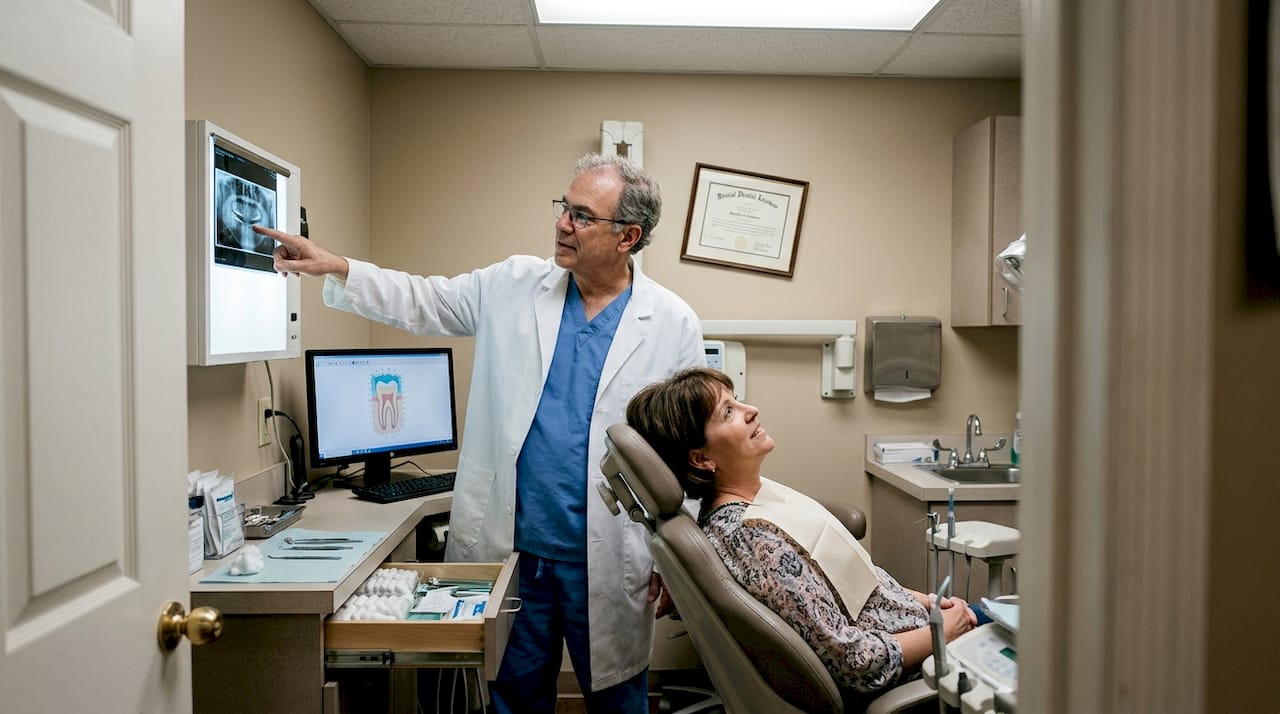
Prosthodontist: Prosthodontics focuses on restoring and replacing teeth. Whether you need a crown after a root canal, a bridge to fill a gap, or full dentures, a prosthodontist designs and places these restorations with precision. See options for prosthodontist crowns and bridges if you are dealing with damaged or missing teeth.
Oral surgeon: This specialist handles complex extractions, wisdom teeth removal, jaw surgery, and implant placement. They work closely with periodontists and prosthodontists on multi-step implant cases.
Orthodontist: Braces and clear aligners are their specialty, for both kids and adults. Orthodontic treatment is not just cosmetic. Correcting bite issues reduces wear on teeth and can prevent jaw pain over time.
Pediatric dentist: Children have unique dental needs, from baby teeth to adolescent development. A pediatric dentist is trained to manage dental anxiety in kids and monitor growth patterns that a general dentist might miss.
Pro Tip: If your child needs both orthodontic work and a cavity treated, you do not always need two separate offices. Many specialty group practices handle multiple needs under one roof, which saves you time and often reduces overall cost.
Here is a quick comparison to guide your decision:
| Specialist | Common issues treated | Insurance acceptance |
|---|---|---|
| Endodontist | Tooth pain, infected pulp, root canals | PPO, Medi-Cal (varies) |
| Periodontist | Gum disease, bone loss, implant prep | PPO, some Medi-Cal |
| Prosthodontist | Crowns, bridges, dentures | PPO, HMO |
| Oral surgeon | Extractions, jaw surgery, implants | PPO, Medi-Cal (varies) |
| Orthodontist | Crowding, bite issues, alignment | PPO, HMO, some Medi-Cal |
| Pediatric dentist | Children’s cavities, development | PPO, Medi-Cal |
For a broader look at how these roles fit together, the dental specialty overview on Wikipedia provides a useful reference.
How to access affordable dental specialists in the Inland Empire
Understanding which specialist to see is only half the equation. The next step is knowing how to get there affordably right here in the Inland Empire.
Here are your best options for reducing out-of-pocket costs:
- Medi-Cal (Denti-Cal): Many specialty clinics in San Bernardino and Riverside counties accept Medi-Cal for endodontics, extractions, and other services. Always confirm coverage before your appointment.
- PPO and HMO plans: These plans often cover a portion of specialist visits. Ask your insurer for an in-network specialist list.
- In-house membership programs: Some practices offer monthly membership plans for uninsured patients. At Monteluz Dental, our membership starts at just $20 per month.
- Dental schools: Supervised students perform specialty procedures at reduced rates. Wait times can be longer, but the quality is closely monitored.
- Bilingual providers: Finding a Spanish-speaking specialist removes communication barriers and helps you make more informed decisions. Check bilingual dental options in your area.
The numbers speak for themselves. Over 9,000 Medi-Cal root canals have been performed at a single Inland Empire specialty clinic, showing just how much demand exists and how accessible this care can be when you find the right provider.
For a full breakdown of your coverage choices, review best Medi-Cal dental insurance options and explore care options in the Inland Empire that fit your budget.
If you are considering implants but have a history of gum disease, know that implants after gum disease are possible with proper staging and treatment.
Dental specialist comparison: Which is right for your needs?
To bring it all together, here is a clear comparison of the most relevant specialists for common family scenarios, followed by a simple step-by-step path to making a confident choice.
| Specialist | Best for | Recommended when |
|---|---|---|
| Endodontist | Tooth pain, abscesses | Pain persists after general treatment |
| Periodontist | Gum disease, implant prep | Gums bleed, recede, or bone loss is present |
| Prosthodontist | Tooth restoration | Tooth is cracked, missing, or heavily damaged |
| Oral surgeon | Extractions, implants | Wisdom teeth, complex removal, jaw issues |
| Orthodontist | Alignment, bite correction | Crowding, spacing, or bite problems |
| Pediatric dentist | Children’s oral health | Child’s first visit or ongoing pediatric care |
Note that implant cases with gum disease require careful staging. Infection and bone loss must be treated before implant placement can begin, which is why a periodontist often works alongside an oral surgeon or prosthodontist on these cases.
Here is a step-by-step path to choosing the right specialist:
- Identify your problem clearly. Is it pain, cosmetic, functional, or preventive?
- Check your insurance. Know what your plan covers before you call.
- Ask your general dentist for a referral. They can point you to trusted specialists in the area.
- Get a cost estimate upfront. Ask about payment plans, Medi-Cal acceptance, or membership options.
- Book a consultation. Most specialists offer an initial exam to confirm the diagnosis and outline your options.
For more guidance on how specialists fit into long-term family care, visit our page on the specialist role in family care.
Take the next step: Connect with the right specialist for you
Now that you have a clear picture of every major dental specialty, the next move is finding the right provider who combines expertise with accessibility. At Monteluz Dental Specialty Group in San Bernardino, we bring multiple specialties together under one roof, so your family does not have to bounce between offices.
We accept Medi-Cal, PPO, and HMO plans, and our in-house membership program starts at just $20 per month for patients without insurance. Whether you need dental implant options, a root canal specialist, or orthodontic care for your child, our bilingual team is ready to help you move forward with confidence. Call us today or book a consultation online to get matched with the right specialist for your needs.
Frequently asked questions
What is the main difference between a periodontist and a prosthodontist?
A periodontist treats gum disease and places dental implants, while a prosthodontist focuses on restoring or replacing teeth using crowns, bridges, and dentures. Both may work together on complex tooth replacement cases.
When should you see an endodontist instead of a general dentist?
See an endodontist when you have persistent tooth pain, a dental abscess, or need a complex root canal, since endodontists specialize in pulp diseases and root canal procedures with higher precision than general dentists.
Does Medi-Cal cover most dental specialists in the Inland Empire?
Many Inland Empire clinics accept Medi-Cal for endodontics, extractions, and other specialty services. Clinics accepting Medi-Cal for implants and root canals do exist, but coverage varies, so always confirm with the provider before scheduling.
How long does specialist dental training take after regular dental school?
Dental specialists complete 2 to 6 additional years of residency training beyond their DDS or DMD degree, depending on the specialty.
Recommended
- Specialty dentistry role in affordable family care 2026
- Odontología especializada: tipos, beneficios y cuándo ir
- Top 7 Dental Implants Providers 2026
- Top 6 Best Dental Implant Options in 2026 for Affordable Care