
TL;DR:
- General dentistry focuses on preventive, diagnostic, and basic restorative care for families.
- Regular dental visits help catch problems early and reduce long-term costs.
- Access to affordable, bilingual dental care supports ongoing family oral health in the Inland Empire.
Most families in the Inland Empire only think about the dentist when something hurts. A toothache, a broken crown, a child’s complaint about sensitivity — these are the triggers that finally prompt a call. But waiting for pain to appear is like ignoring your car’s oil light until the engine seizes. General dentistry is not a repair shop. It is a proactive system designed to protect your family’s health, catch problems early, and keep costs manageable over time. This guide breaks down exactly what general dentistry offers, how it works alongside specialists, and why consistent care is one of the smartest investments an Inland Empire family can make.
Table of Contents
- What is general dentistry and why does it matter?
- Preventive care: The foundation of family oral health
- How general dentists work with specialists and your family
- Affordability, accessibility, and support for Inland Empire families
- When and how often should your family visit a general dentist?
- Our perspective: Why general dentists are the guardians of affordable family health
- How Monteluz Specialty helps families access affordable, comprehensive dental care
- Frequently asked questions
Key Takeaways
| Point | Details |
|---|---|
| Full-scope family care | General dentists provide ongoing prevention, diagnostics, and basic treatments for everyone at each stage of life. |
| Prevention saves money | Consistent dental checkups and cleanings often prevent costly emergencies and keep care affordable. |
| Team approach is best | General dentists, hygienists, and specialists work together to ensure efficient, personalized oral health for families. |
| Accessibility matters | Bilingual staff and membership plans help break down cost and language barriers for Inland Empire families. |
What is general dentistry and why does it matter?
General dentistry is the foundation of oral healthcare for families. Your general dentist is your family’s primary oral health provider, the professional who knows your history, monitors changes over time, and coordinates care when something more complex comes up. Think of them the way you think of a family physician — the first call, the trusted guide, and the person who keeps the full picture in view.
According to preventive and restorative research, general dentistry involves a wide range of care spanning preventive, diagnostic, and restorative services for patients of all ages. That means general dentists do far more than clean teeth or fill cavities. Their scope includes:
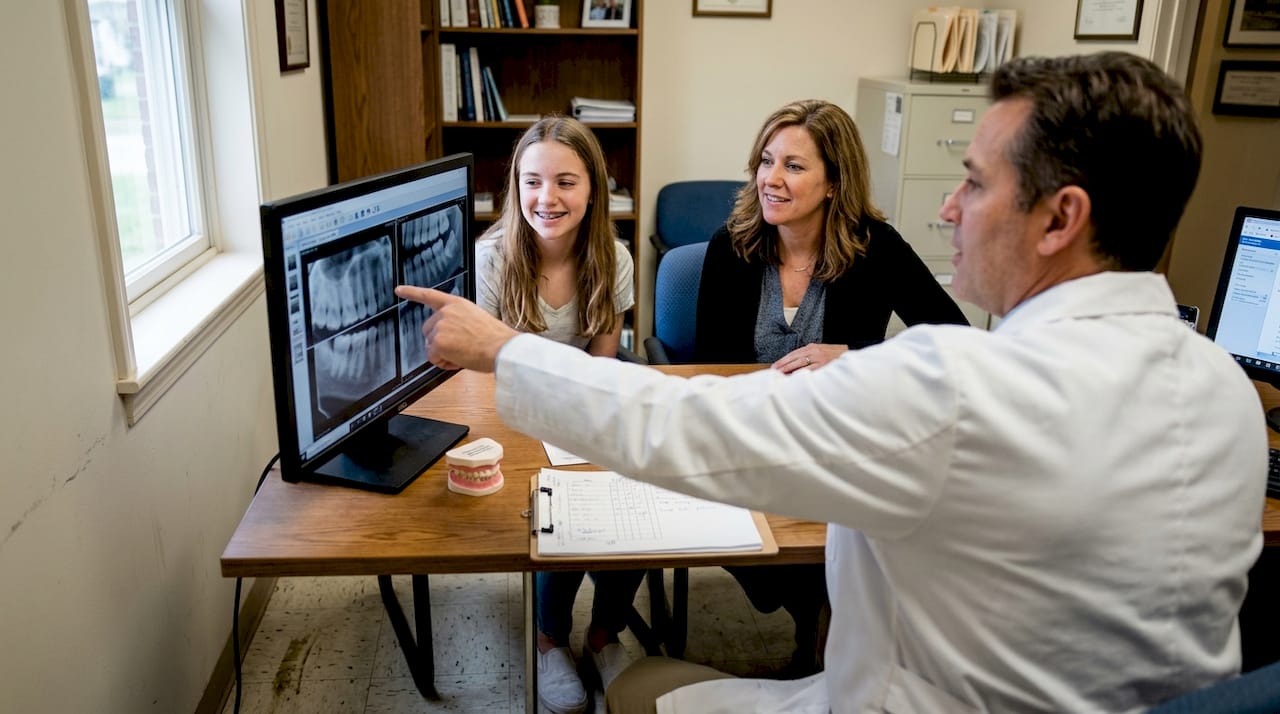
- Routine exams and X-rays to detect decay, gum disease, and structural issues early
- Professional cleanings to remove tartar that brushing cannot reach
- Sealants and fluoride treatments to protect children’s developing teeth
- Basic restorations such as fillings, crowns, and tooth extractions
- Oral cancer screenings during routine visits
- Patient education on brushing, flossing, diet, and home care habits
- Referrals to specialists when treatment needs exceed general scope
One of the most damaging misconceptions families carry is that a general dentist is only useful when something goes wrong. In reality, the opposite is true. The real value of affordable general dentistry is in what it prevents. Catching a small cavity before it reaches the nerve saves you a root canal. Identifying early gum inflammation before it becomes periodontitis saves you surgery.
“Your general dentist is not just treating problems — they are building a long-term map of your oral health that makes every future decision smarter and more targeted.”
For families with children, adults, and even seniors all under one roof, a general dentist provides age-appropriate care at every stage. Children need guidance on eruption patterns and cavity prevention. Adults need monitoring for wear, gum health, and systemic connections. Seniors may need attention to dry mouth, bone density, and medication interactions. General dentistry adapts to all of it.
Preventive care: The foundation of family oral health
Once you understand what general dentistry covers, the next question is: which services matter most for your family, and how often do you actually need them?
Preventive care is the answer. It is the category of services designed to stop problems before they start, and it is the single most cost-effective investment in your family’s oral health. Cost-saving research consistently shows that families who engage in regular preventive visits spend significantly less on dental care over time compared to those who only seek treatment reactively.
Here is a quick look at the most common preventive services and who benefits most:
| Preventive service | Who it’s for | How often |
|---|---|---|
| Routine cleaning and exam | All ages | Every 6 months |
| Fluoride treatment | Children and high-risk adults | Every 6 months |
| Dental sealants | Children ages 6 to 14 | Once per molar |
| Oral cancer screening | Adults 18 and older | Annually |
| Periodontal evaluation | Adults with gum risk factors | Every 6 to 12 months |
Children should see a dentist by their first birthday, even before all baby teeth appear. Early visits build comfort, establish baselines, and allow your dentist to spot developmental concerns early. The benefits of dental checkups at a young age extend well beyond the teeth themselves — they teach children that dental care is normal, not scary.
For adults with elevated risk factors such as diabetes, dry mouth from medications, or a history of frequent cavities, preventive care for families may need to be more frequent. High-risk patients may require more frequent visits and collaboration with hygienists or specialists to manage their needs effectively.
Pro Tip: If your child has deep grooves in their back molars, ask about sealants at their next visit. This simple, painless treatment can reduce cavity risk by up to 80% in those teeth.
For Inland Empire families, access to bilingual dental care makes a real difference in how consistently families follow through with preventive appointments. When you can ask questions and understand answers in your preferred language, you are far more likely to keep up with the dental visit frequency that protects your family long-term.
How general dentists work with specialists and your family
Your general dentist does not work alone. Understanding how they fit into a larger care team helps you feel more confident when a referral comes up — and less like you are being passed off.
Team-based dental approaches involving general dentists, hygienists, and specialists make care both more efficient and more complete. Here is how the collaboration typically works:
- Your general dentist conducts a full exam and identifies any areas of concern beyond routine care.
- A hygienist handles deep cleanings and provides detailed home care coaching tailored to your needs.
- A specialist is brought in for complex issues such as orthodontic alignment, root canal therapy, or gum surgery.
- Your general dentist receives updates from the specialist and continues managing your overall care plan.
- Follow-up visits with your general dentist confirm that specialist treatment integrated well with your broader oral health.
Here is a simple comparison of what each provider typically handles:
| Provider | Core focus | When you see them |
|---|---|---|
| General dentist | Prevention, diagnostics, basic restorations | Routine visits and ongoing care |
| Dental hygienist | Cleanings, patient education, periodontal monitoring | Every routine visit |
| Orthodontist | Alignment, bite correction, braces or aligners | When referred for crowding or bite issues |
| Endodontist | Root canal therapy, tooth pulp treatment | When infection reaches the tooth root |
| Periodontist | Gum disease, bone loss, implant placement | When gum disease is advanced |
Pro Tip: When your dentist refers you to a specialist, ask for a written summary of why the referral was made and what outcome is expected. This keeps you informed and helps the specialist understand your full history faster.
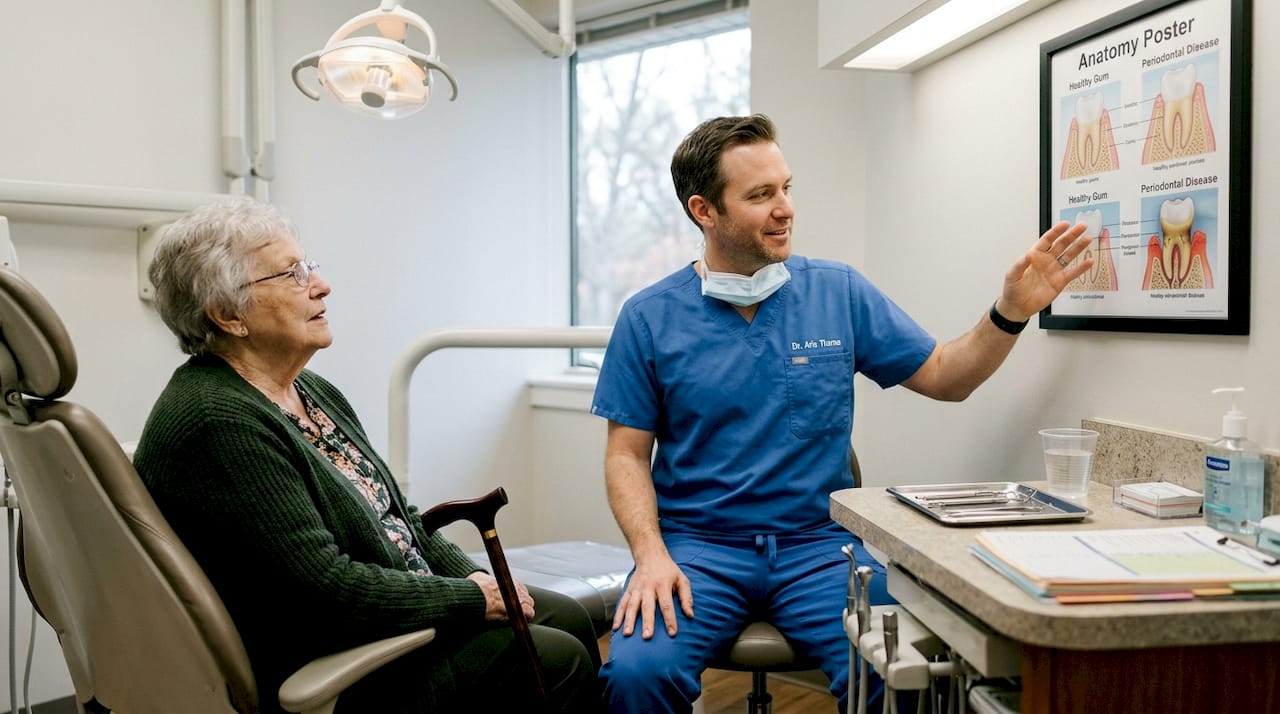
The connection between oral health and overall health is well established. Gum disease has been linked to heart disease, diabetes complications, and preterm birth. Your general dentist is often the first provider to notice signs of systemic conditions showing up in the mouth, making them a genuinely important part of your broader healthcare team.
Affordability, accessibility, and support for Inland Empire families
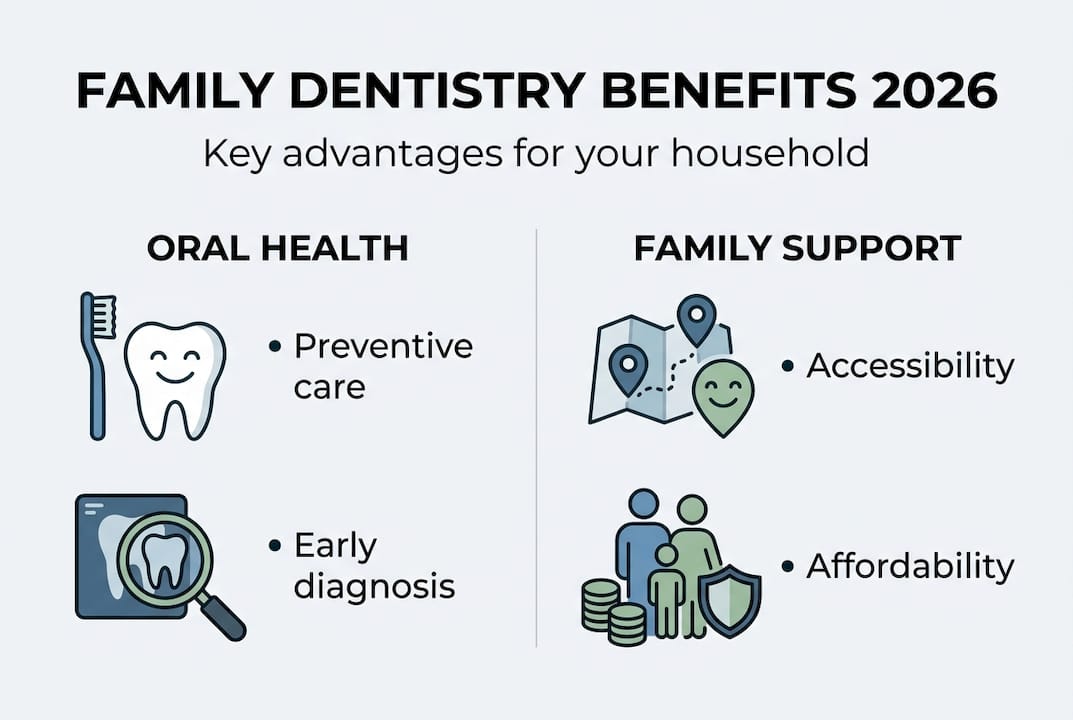
Cost is the most common reason families delay or skip dental care. Transportation, language barriers, and lack of insurance follow closely behind. These are real obstacles, and acknowledging them honestly is the first step toward solving them.
The good news is that affordable family dental plans and bilingual services are more available in the Inland Empire than many families realize. Here is what to look for when evaluating your options:
- Denti-Cal (Medi-Cal) acceptance for qualifying low-income families
- PPO and HMO insurance compatibility to maximize your existing coverage
- In-house membership programs for families without insurance, often starting as low as $20 per month
- Bilingual staff who can communicate clearly in both English and Spanish
- Flexible payment plans that spread treatment costs over time
- Telehealth or extended hours to reduce transportation and scheduling barriers
Costing research confirms that preventive dental care produces long-term savings for families who engage regularly, compared to those who only seek emergency treatment. A single emergency room visit for a dental abscess can cost $500 to $1,500 or more, while a year of preventive visits often costs a fraction of that.
The math is clear: investing in prevention now costs far less than treating the consequences of neglect later.
The importance of affordable care goes beyond finances. When families feel welcomed, understood, and supported in their language, they show up. They ask questions. They follow through on treatment. That consistency is what actually produces better oral health outcomes over time.
Pro Tip: If cost is a concern, ask your dental office directly about membership programs or sliding-scale options before assuming care is out of reach. Many practices have options that are never advertised prominently.
When and how often should your family visit a general dentist?
Affordability and access matter, but so does knowing the right schedule for your family’s specific needs. Here is practical guidance based on age and risk level.
Recommended visit frequency by group:
- Infants and toddlers: First visit by age 1, then every 6 months.
- Children ages 3 to 12: Every 6 months, with sealants and fluoride as appropriate.
- Teenagers: Every 6 months, with orthodontic monitoring if needed.
- Healthy adults: Every 6 to 12 months depending on cavity and gum disease history.
- High-risk adults: High-risk groups such as people with diabetes and smokers may need 3 to 4 visits per year.
- Seniors: Every 6 months, with additional attention to dry mouth and bone health.
Skipping visits does not just delay cleaning. It allows small problems to grow silently. A cavity left untreated for 12 months can progress from a simple filling to a root canal. Gum inflammation ignored for a year can become bone loss that no cleaning can reverse.
Here are simple steps to keep your family on track:
- Set calendar reminders every 6 months for each family member
- Schedule all family appointments on the same day when possible to reduce trips
- Ask your dentist to send automated reminders by text or email
- Keep a folder with each family member’s dental records and X-rays
- Review checkup timing guidelines annually to confirm your schedule still fits your current health status
The importance of regular visits is not about following rules. It is about giving your family the best possible chance at avoiding pain, expensive treatments, and the health complications that untreated oral disease can trigger.
Our perspective: Why general dentists are the guardians of affordable family health
We have seen a consistent pattern in our community: families come to us after years of avoiding the dentist, often because of cost fears or the belief that nothing was wrong. By the time they arrive, what could have been a $150 filling has become a $1,200 crown or a tooth that cannot be saved at all.
The “fix it only when it breaks” mindset is understandable. Life is busy. Money is tight. But it is also one of the most expensive approaches a family can take to their oral health. General dentistry is not a luxury. It is the most affordable version of dental care available, precisely because it catches problems while they are still small.
What we have learned from helping Inland Empire families is that trust matters as much as technique. When families know their dentist, speak their language, and feel respected in the chair, they come back. That consistency is what makes prevention work. Explore our workflow for affordable dental care to see how we structure care to make it sustainable for real families with real budgets.
How Monteluz Specialty helps families access affordable, comprehensive dental care
If this guide has clarified how much general dentistry can do for your family, we want you to know that Monteluz Dental Specialty Group is built around exactly these principles.
We offer local dental membership plans starting at just $20 per month for uninsured patients, bilingual English and Spanish support, and a full range of services from preventive cleanings to restorative dental services and advanced dental technology. We accept Denti-Cal, PPO, and HMO plans, and we offer flexible financing to make care accessible regardless of your situation. Scheduling is easy online or by phone. Your family’s oral health is too important to wait on.
Frequently asked questions
What is the main job of a general dentist?
A general dentist is your family’s main oral health provider, offering preventive and diagnostic care and basic treatments for patients of all ages. They also coordinate referrals to specialists when more complex treatment is needed.
How often should my family see a general dentist?
Most people benefit from visits every 6 to 12 months, but high-risk groups such as diabetics and smokers may need 3 to 4 appointments per year, and children should start by their first birthday.
Can preventive dental care really save money?
Yes. Preventive care consistently reduces long-term dental costs by catching problems early, before they require expensive emergency or restorative treatment.
What support is available for non-English speaking families?
Many Inland Empire dental practices, including Monteluz Dental Specialty Group, offer bilingual English and Spanish support to make care more accessible and comfortable for all families.
What is the difference between a general dentist and a dental specialist?
General dentists handle most routine and preventive care, while specialists focus on complex treatments. Team-based referrals to orthodontists, endodontists, or periodontists produce the best outcomes when general care alone is not enough.
Recommended
- General Dentistry for Affordable Family Care Inland Empire
- Dental Bonding
- Dental Technology
- What is family dentistry? Your guide to affordable care
- Blog Articles | Chameleon