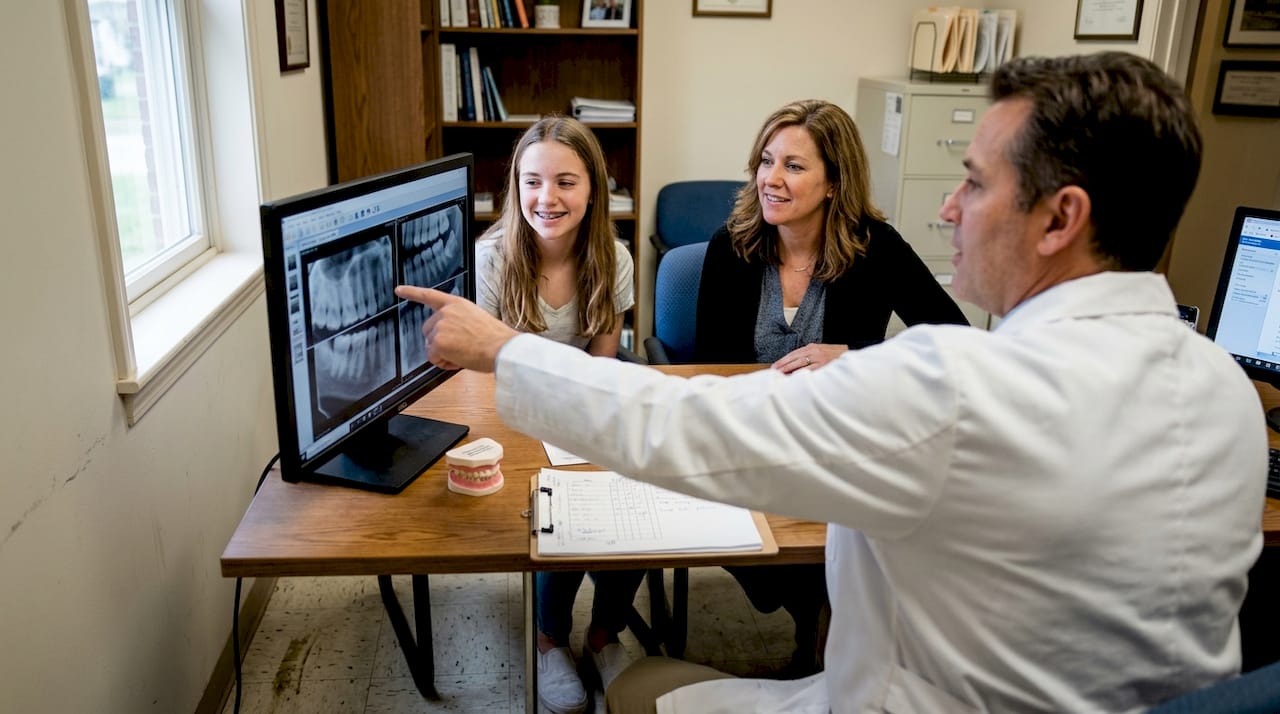

Every parent in San Bernardino knows how stressful it can be to search for an affordable dental solution when a loved one loses a tooth. Access to permanent, natural-looking replacements is more than just a cosmetic concern. Understanding how Denti-Cal works, the limits of coverage, and what alternatives exist can equip families to make smart decisions about dental implant care and financial support. Dental implant options and insurance differences are explained so you feel confident choosing the path right for your needs.
Table of Contents
- Dental Implants – What You Need to Know
- Types of Implant Insurance Coverage Explained
- How Denti-Cal and PPO Policies Work
- Eligibility, Approvals, and Common Barriers
- Out-of-Pocket Costs and Affordable Alternatives
Key Takeaways
| Point | Details |
|---|---|
| Dental Implants Overview | Dental implants provide a permanent and natural-looking solution for missing teeth, involving a titanium screw, abutment, and custom crown. |
| Insurance Considerations | Understanding the details of dental implant insurance is crucial, as coverage options vary significantly between providers and plans. |
| Cost Management Strategies | Patients may explore alternative financing options and programs to alleviate high out-of-pocket costs associated with dental implants. |
| Eligibility and Approval Challenges | Significant barriers exist for low-income patients seeking dental implants through government programs, often requiring extensive documentation for medical necessity. |
Dental Implants – What You Need to Know
Dental implants represent a revolutionary solution for replacing missing teeth, offering patients a permanent and natural-looking alternative to traditional dentures. Permanent tooth replacement techniques involve a sophisticated three-part system consisting of a titanium screw, an abutment, and a custom-designed crown.
The implant process involves surgically inserting a titanium screw directly into the jawbone, which serves as an artificial tooth root. This medical-grade component provides extraordinary stability and mimics the function of natural tooth roots. Once the screw integrates with the bone through a process called osseointegration, an abutment is attached, and finally, a custom crown is placed to complete the restoration.
Key benefits of dental implants include:
- Improved chewing functionality
- Enhanced speech clarity
- Preservation of jawbone structure
- Natural appearance and feel
- Long-term durability compared to traditional dental prosthetics
Patients considering dental implants should understand that candidacy depends on several factors, including overall health, bone density, and specific medical conditions. A comprehensive dental evaluation helps determine individual suitability for this advanced dental solution.
Pro tip: Schedule a comprehensive dental consultation to assess your specific implant candidacy and understand the personalized treatment approach tailored to your oral health needs.
Types of Implant Insurance Coverage Explained
Navigating the complex landscape of dental implant insurance requires understanding the nuanced variations in coverage options. Dental implant insurance plans differ significantly in their approach to coverage, with key variations in premiums, waiting periods, deductibles, and annual maximum benefits.
Most insurance providers categorize dental implant coverage into several distinct tiers. Basic plans typically cover routine dental procedures, while more comprehensive plans may include partial coverage for implant-related expenses. Patients should carefully examine the specific details of their insurance policy, as coverage can range from minimal reimbursement to more substantial financial support for dental restoration procedures.
Important factors to consider when evaluating dental implant insurance include:
- Waiting period duration
- Percentage of implant procedure covered
- Annual maximum benefit limits
- Specific exclusions and conditions
- Potential out-of-pocket expenses
- Network restrictions for dental providers
Patients should always verify their specific insurance plan details, as coverage can vary widely between different providers and individual policies.
Alternative options for managing dental implant costs include dental discount plans, flexible spending accounts, and specialized financing programs. These alternatives can provide additional financial support for patients who may have limited insurance coverage or face significant out-of-pocket expenses.

Pro tip: Request a detailed written breakdown of your insurance plan’s dental implant coverage, including specific limitations and potential out-of-pocket expenses, to avoid unexpected financial surprises.
How Denti-Cal and PPO Policies Work
Medi-Cal Dental program (Denti-Cal) provides essential dental services for low-income Californians, with specific limitations on comprehensive dental treatments. This state-sponsored program offers basic dental care coverage, though dental implants are typically excluded except in rare medical necessity situations.
PPO (Preferred Provider Organization) dental plans offer more flexible coverage options. Delta Dental PPO plans provide a broader range of dental services, including preventive, basic, and major dental procedures. These plans typically feature tiered benefits that vary depending on whether patients use in-network or out-of-network providers.
Key differences between Denti-Cal and PPO dental insurance include:
- Eligibility requirements
- Coverage scope and limitations
- Provider network restrictions
- Out-of-pocket expense structures
- Reimbursement rates for dental procedures
PPO plans generally offer more comprehensive coverage and greater flexibility in choosing dental providers compared to government-sponsored programs.
Patients should carefully evaluate their specific insurance plan details, as dental insurance benefits can vary significantly. Understanding the nuanced differences between Denti-Cal and PPO policies helps patients make informed decisions about their dental care options and potential financial responsibilities.
Here’s a quick overview comparing Denti-Cal and PPO dental insurance for implants:
| Feature | Denti-Cal Program | PPO Dental Insurance |
|---|---|---|
| Eligibility | Low-income Californians | Broad, often employer-based |
| Implant Coverage | Very rarely, medical necessity | Sometimes partial, varies widely |
| Provider Choice | Limited state network | Large, flexible network |
| Out-of-Pocket Expenses | Typically low, if approved | Higher, dependent on plan terms |
| Approval Requirements | Rigorous documentation needed | Standard dental claims process |
Pro tip: Always request a detailed written breakdown of your specific dental insurance coverage, including exact terms for implant-related procedures and potential out-of-pocket expenses.
Eligibility, Approvals, and Common Barriers
Medicaid dental implant coverage presents significant challenges for low-income patients, with strict eligibility requirements and limited approval mechanisms. These restrictions create substantial barriers for individuals seeking dental restoration, particularly for those with complex medical histories.
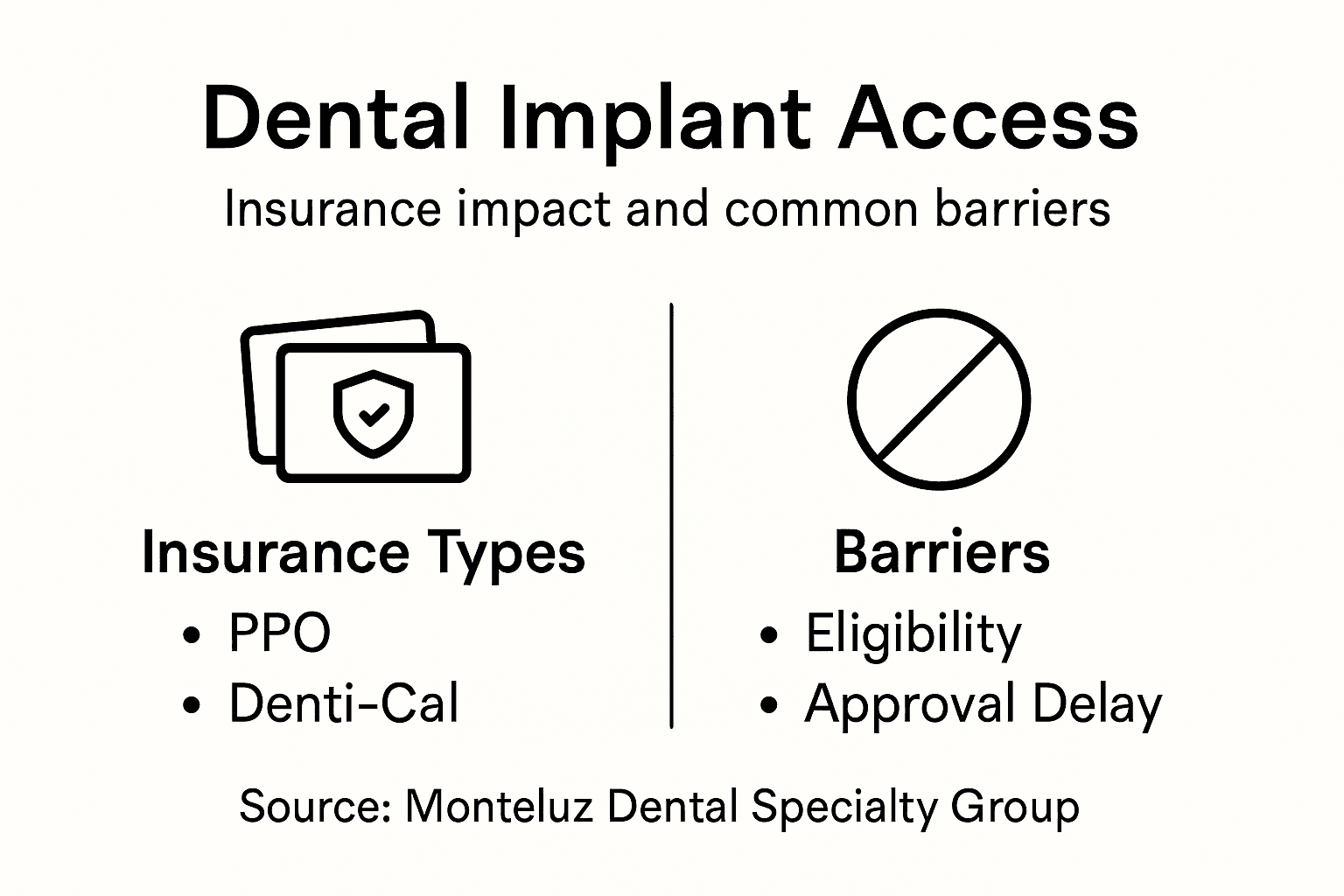
The approval process for dental implants under government-sponsored programs involves extensive medical documentation and rigorous evaluation. Medical necessity criteria play a crucial role in determining eligibility, with exceptions typically granted only for extreme circumstances such as severe trauma, congenital defects, or significant medical conditions that directly impact oral health.
Common barriers to dental implant access include:
- Extremely limited coverage for adult dental procedures
- Complex prior authorization requirements
- Stringent medical necessity documentation
- Financial constraints within government healthcare programs
- Limited provider networks specializing in implant procedures
- Variations in state-level healthcare policies
Patients must provide comprehensive medical documentation demonstrating that dental implants are not merely cosmetic but essential for functional health and well-being.
Denti-Cal specifically imposes strict guidelines that make dental implant coverage exceptionally rare. Implant approval processes require extensive medical evidence and typically only consider coverage in cases of significant medical trauma or congenital conditions that substantially impact oral function.
Pro tip: Compile a detailed medical history and gather comprehensive documentation from healthcare providers to strengthen your case for dental implant coverage under government healthcare programs.
Out-of-Pocket Costs and Affordable Alternatives
Dental implant costs in the United States represent a significant financial investment for patients, with expenses ranging from $3,500 to $6,700 for a single implant and potentially reaching $21,500 for full arch restoration. These substantial out-of-pocket expenses create considerable barriers for individuals seeking comprehensive dental treatment.
The financial landscape of dental implants involves multiple cost components, including surgical placement, abutment installation, and custom crown fabrication. Insurance limitations frequently leave patients responsible for the majority of expenses, making alternative financing strategies crucial for accessing dental restoration services.
Affordable alternatives for managing dental implant expenses include:
- Dental school treatment programs
- Flexible payment plans
- Healthcare credit financing
- Sliding scale fee clinics
- Medical savings accounts
- Community health center options
- Negotiated cash payment discounts
Strategic financial planning can dramatically reduce the burden of dental implant expenses and make advanced dental care more accessible.
Patients can explore multiple strategies to mitigate high out-of-pocket costs, such as seeking multiple provider consultations, investigating nonprofit healthcare organizations, and discussing comprehensive payment arrangements with dental practices specialized in implant procedures.
The following table summarizes common strategies to make dental implants more affordable:
| Cost-Reduction Strategy | How It Helps | Who Benefits Most |
|---|---|---|
| Dental School Clinics | Lower costs for treatment | Price-sensitive patients |
| Healthcare Credit Financing | Spreads payments over time | Patients lacking full coverage |
| Sliding Scale Fee Clinics | Fees based on income | Low-income individuals |
| Medical Savings Accounts | Tax advantages for payments | Workers with HSA/FSA plans |
Pro tip: Request itemized cost breakdowns from multiple providers and explore healthcare financing options before committing to dental implant treatment.
Overcome Insurance Barriers to Dental Implants with Monteluz Dental Specialty Group
Understanding the challenges of dental implant insurance coverage can feel overwhelming. Many patients face strict medical necessity criteria, limited plan benefits, and confusing approval processes that delay or prevent access to the care they need. If you are struggling with insurance limitations like those discussed in the article, Monteluz Dental Specialty Group is here to help you navigate these obstacles and make dental implants a reality.
Monteluz Dental accepts Denti-Cal (Medi-Cal), PPO, and HMO plans and offers unique solutions including an affordable in-house membership program starting at just $20 per month. With bilingual support and flexible financing options, we remove financial and communication barriers that often stand in the way of quality dental implants. Learn more by exploring our Monteluz Dental Specialty Group or visit our main site to schedule your personalized consultation at Monteluz Specialty today. Take control of your oral health and access the advanced dental care you deserve without delay.
Frequently Asked Questions
What types of dental insurance cover dental implants?
Many dental insurance plans offer varying degrees of coverage for dental implants. Basic plans may cover routine dental procedures, while more comprehensive policies often include partial coverage for implant-related expenses. It’s essential to review your specific plan details to understand the coverage provided.
How does Denti-Cal affect access to dental implants?
Denti-Cal typically excludes dental implants from coverage except in rare cases of medical necessity. This means that patients seeking implants under this program face significant barriers and must provide extensive documentation to qualify for coverage.
What are common barriers to getting insurance coverage for dental implants?
Common barriers include limited coverage for adult dental procedures, complex prior authorization requirements, stringent medical necessity documentation, financial constraints, and restricted provider networks. These challenges can make it difficult for patients to access necessary dental restoration services.
Are there financial alternatives for patients needing dental implants?
Yes, patients can explore several financial alternatives, including dental school clinics, flexible payment plans, sliding scale fee clinics, healthcare credit financing, and community health center options. These can help reduce out-of-pocket costs and make dental implants more affordable.
Recommended
- 7 Essential Dental Implant Maintenance Tips for Long-Term Health
- How to Prepare for Dental Implants for Success
- The Life-Changing Benefits of Dental Implants: Restore Your Smile
- Monteluz Dental Specialty Group
- Affordability in Hearing Healthcare – Why It Matters – Audora