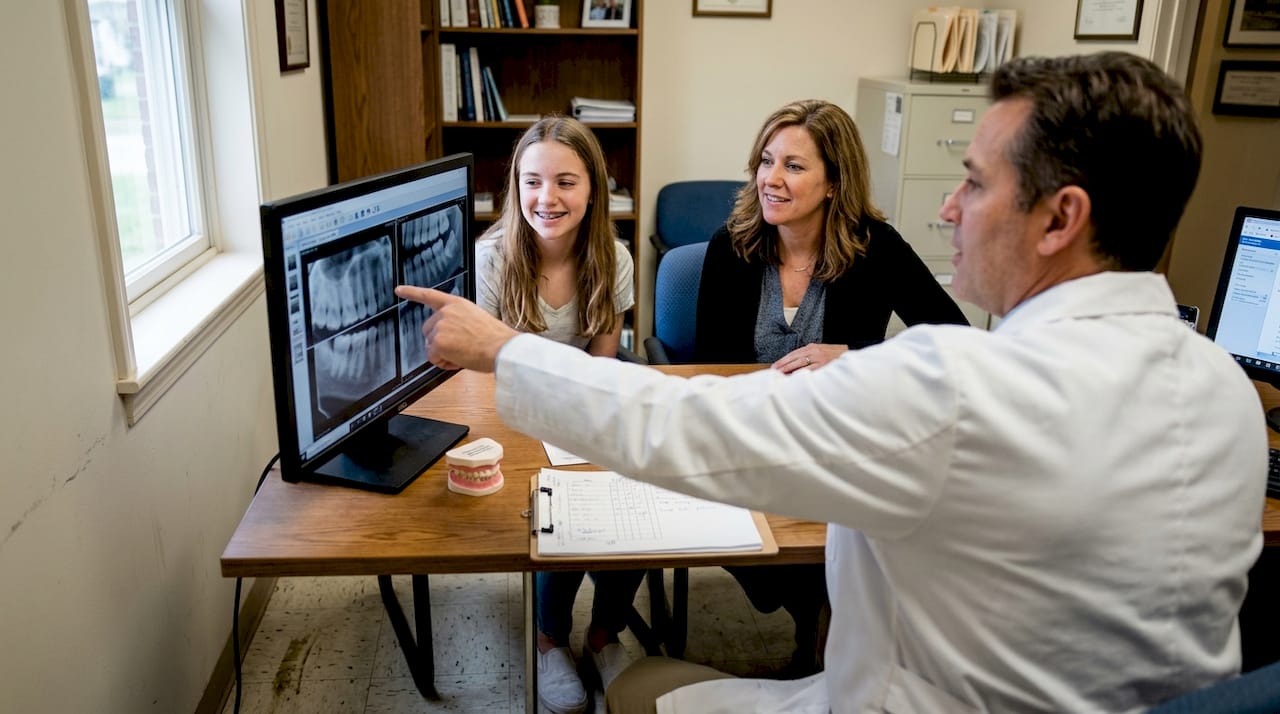
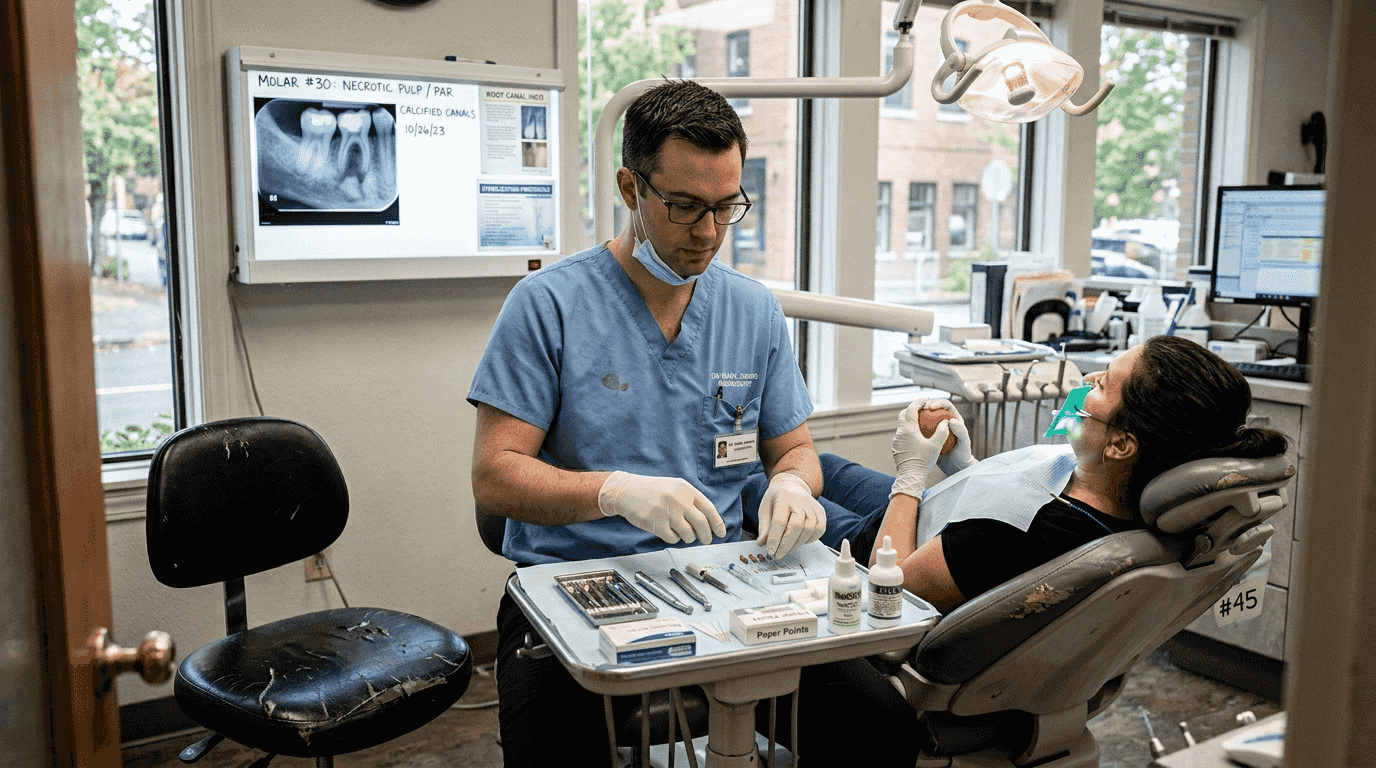
Root canals often spark fear, but modern endodontics tells a different story. This specialized dental field focuses on saving teeth through advanced techniques that are surprisingly comfortable. If you’re facing a root canal or simply curious about what endodontists do, understanding the science and process can ease anxiety. This guide breaks down endodontic treatment, success rates, and how patients in San Bernardino and the Inland Empire can access affordable care in 2026.
Table of Contents
- What Is Endodontics? The Dental Specialty That Saves Your Teeth
- How Root Canal Therapy Works: Saving Teeth Step-By-Step
- Success Rates And Challenges In Endodontic Treatment
- Accessing Affordable Endodontic Care In San Bernardino And Inland Empire
- Find Expert Endodontic Care And Affordable Dental Solutions Near You
Key takeaways
| Point | Details |
|---|---|
| Endodontics saves teeth | Endodontics treats dental pulp diseases and prevents extractions through root canal therapy. |
| Root canals are painless | Modern anesthesia and techniques make the procedure comfortable, typically completed in 1-2 visits. |
| Success rates are high | Primary root canal treatment achieves 75-93% success rates depending on pre-treatment conditions. |
| Affordable care exists locally | San Bernardino and Inland Empire residents can access sliding scale fees and membership plans starting at $20/month. |
What is endodontics? The dental specialty that saves your teeth
Many patients hear “root canal” and immediately think pain. The reality is far different. Endodontics focuses on dental pulp and root tissues, specializing in treatments that preserve natural teeth when infection or damage threatens them. The dental pulp contains nerves, blood vessels, and connective tissue. When bacteria invade this space through deep decay or cracks, infection develops and causes severe pain.
Without treatment, infected pulp leads to abscesses, bone loss, and eventual tooth loss. Endodontists step in to remove diseased tissue, disinfect the tooth’s interior, and seal it against future infection. This approach saves teeth that would otherwise require extraction, maintaining your natural smile and bite function.
Who performs endodontic treatment?
- Endodontists complete 2-3 years of specialized training beyond dental school
- General dentists handle routine root canals as part of comprehensive care
- Complex cases involving unusual anatomy or previous treatment failures go to specialists
- Both options provide effective treatment, with choice depending on case difficulty
The distinction matters for patients seeking affordable root canal options. General dentists often charge less for straightforward cases, while specialists bring advanced equipment and expertise for challenging situations.
“Endodontics preserves what nature gave you. Every tooth saved maintains jaw structure, prevents neighboring teeth from shifting, and avoids the need for bridges or implants.”
Pro Tip: Ask your dentist whether your case needs a specialist referral. Simple single-canal teeth like front incisors rarely require an endodontist, while molars with multiple curved canals may benefit from specialist care.
How root canal therapy works: saving teeth step-by-step
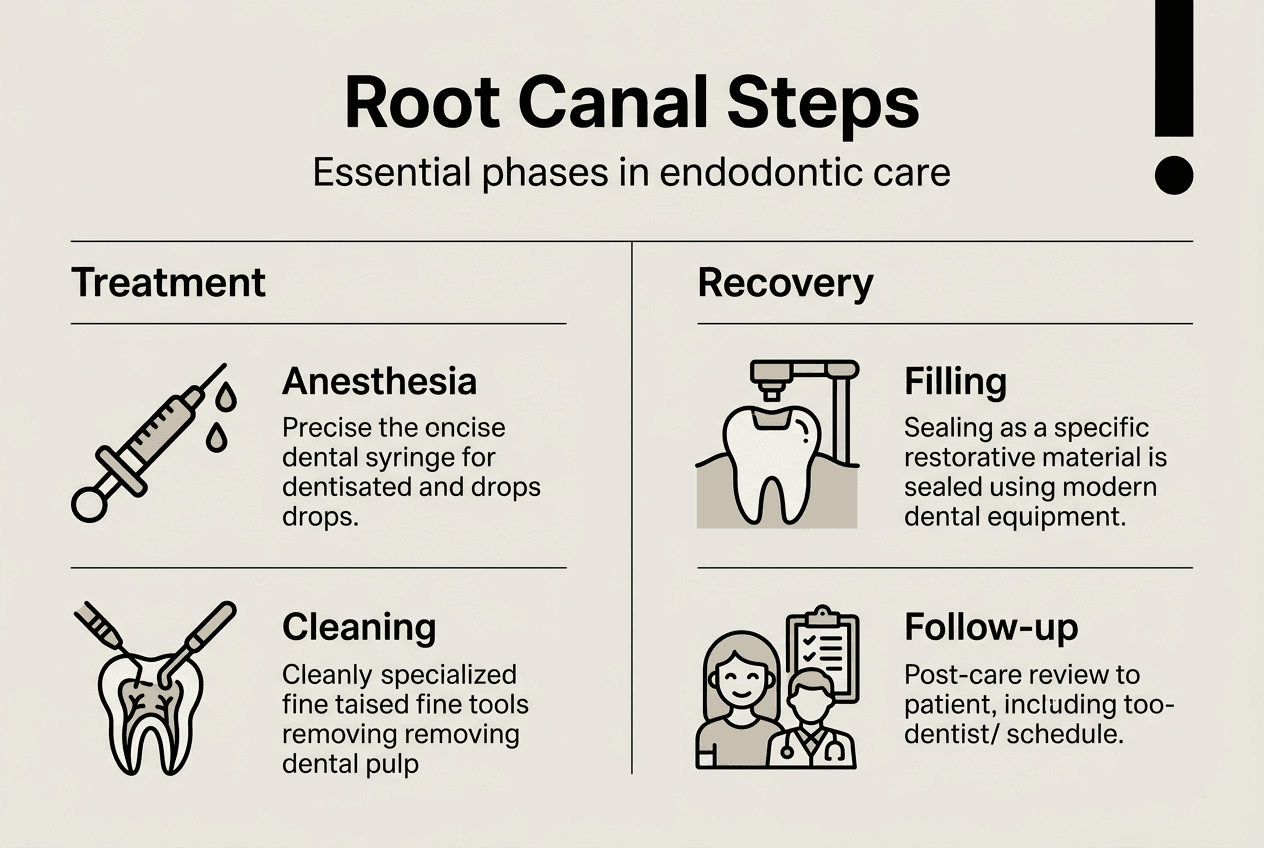
The root canal process removes infected pulp through a systematic approach that prioritizes both thoroughness and patient comfort. Understanding each phase helps demystify the treatment and reduces anxiety.
The complete treatment sequence:
- Local anesthesia numbs the tooth and surrounding tissue completely
- Rubber dam isolation keeps the area dry and sterile during treatment
- Access opening creates a small hole in the tooth crown to reach pulp chambers
- Infected pulp removal uses specialized files to clean canal walls
- Canal shaping with modern NiTi rotary files creates uniform space for filling
- Chemical disinfection with sodium hypochlorite irrigation kills remaining bacteria
- Canal filling with gutta-percha rubber seals the space permanently
- Temporary or permanent restoration closes the access opening
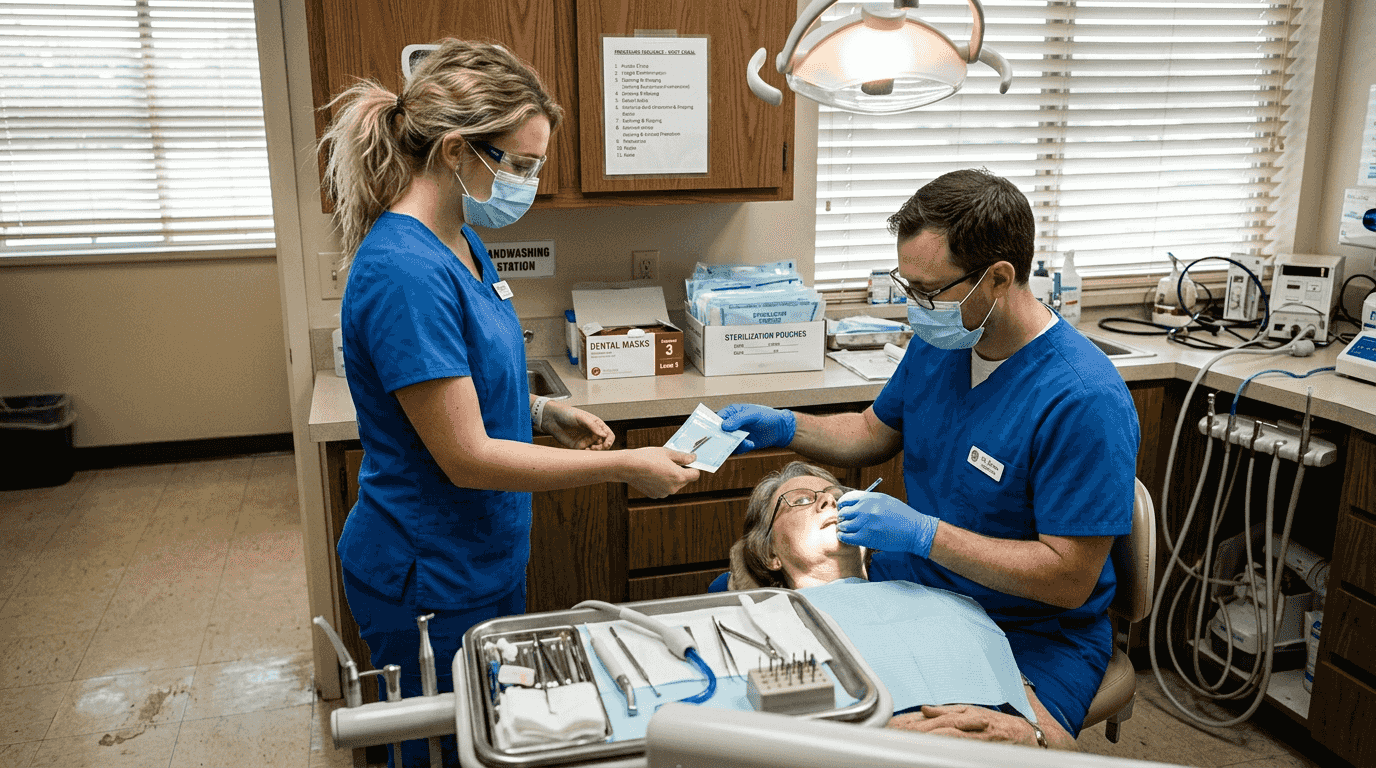
Most treatments finish in one 60-90 minute appointment, though complex cases may require a second visit. The procedure itself causes no pain thanks to effective anesthesia. You’ll feel pressure and vibration as instruments work, but discomfort stays minimal.
| Treatment Phase | Duration | Patient Experience |
|---|---|---|
| Anesthesia and setup | 10-15 minutes | Slight pinch from injection, then numbness |
| Pulp removal and cleaning | 30-50 minutes | Pressure sensations, no pain |
| Filling and sealing | 15-25 minutes | Minimal awareness of process |
| Total appointment time | 60-90 minutes | Comfortable throughout |
Post-treatment soreness resembles the achiness after a dental filling. Over-the-counter pain relievers manage any discomfort, which typically fades within 2-3 days. Severe pain after a root canal signals a problem requiring follow-up, but this occurs rarely with proper technique.
Pro Tip: Take ibuprofen before your appointment wears off. This preemptive approach controls inflammation more effectively than waiting for pain to start, making your recovery smoother and faster.
Modern techniques have transformed root canal therapy from the dreaded procedure of decades past into a routine treatment. Ultrasonic irrigation reaches areas traditional needles miss, while digital apex locators precisely measure canal length without uncomfortable X-rays during treatment. These workflow improvements increase success rates and reduce chair time significantly.
Success rates and challenges in endodontic treatment
Root canal therapy works remarkably well, but outcomes vary based on several factors. Primary treatment achieves 75-85% success under strict evaluation criteria, rising to 93% with more lenient standards. The difference lies in how success gets defined. Strict criteria require complete bone healing around the root tip, while loose criteria accept functional teeth without symptoms even if some bone loss persists.
Pre-treatment conditions heavily influence outcomes. Teeth with small or no visible lesions on X-rays heal more predictably than those with large infections that have destroyed significant bone. This doesn’t mean severely infected teeth can’t be saved, just that success rates drop as damage increases.
Factors affecting treatment success:
- Size of periapical lesion before treatment
- Quality of canal cleaning and shaping
- Completeness of canal filling without voids
- Speed of permanent restoration placement
- Patient’s overall health and immune function
| Complication | Frequency | Impact on Success |
|---|---|---|
| Missed canals | 15-25% of cases | High risk of persistent infection |
| Instrument separation | 2-5% of cases | May require specialist removal |
| Perforation | 3-10% of cases | Compromises seal, needs repair |
| Underfilled canals | 20-40% of cases | Moderate risk of reinfection |
These complications sometimes require retreatment or surgical intervention. Missed canals occur when unusual tooth anatomy hides a canal from standard access angles. Instrument separation happens when files break inside curved canals, though modern flexible NiTi instruments reduce this risk substantially.
Minimally invasive access preserves more tooth structure, which sounds ideal. However, conservative openings can limit visibility and instrument reach, potentially leaving infected tissue behind. The balance between preservation and thoroughness requires clinical judgment and often benefits from specialist expertise.
“Advanced imaging changes everything. CBCT scans reveal 3D canal anatomy before treatment starts, showing curves, splits, and extra canals that traditional X-rays miss completely.”
Pro Tip: If your root canal fails and infection returns, don’t assume the tooth is lost. Retreatment or apicoectomy surgery saves many teeth that didn’t respond to initial therapy, giving you another chance at preservation.
Technology continues improving outcomes. Cone beam computed tomography provides detailed 3D views of root systems. Surgical operating microscopes magnify the treatment field up to 25 times, revealing tiny canals and cracks invisible to the naked eye. These tools explain why specialist success rates often exceed general dentist outcomes for difficult cases.
Accessing affordable endodontic care in San Bernardino and Inland Empire
Cost concerns stop many patients from getting needed root canal treatment, but affordable options exist throughout San Bernardino and the Inland Empire. Understanding your choices helps you access quality care without financial stress.
Local endodontic specialists and general dentists provide expert treatment at various price points. Sliding scale clinics base fees on income, making care accessible regardless of your financial situation. These facilities maintain high standards while adjusting costs to match what patients can reasonably afford.
Affordable care strategies in 2026:
- Dental membership plans starting at $20/month eliminate insurance hassles and reduce treatment costs 20-40%
- Denti-Cal and Medi-Cal coverage includes emergency root canal therapy for eligible patients
- PPO and HMO insurance plans typically cover 50-80% of endodontic treatment after deductibles
- Payment plans through practices spread costs over 6-12 months interest-free
- Dental schools offer supervised student treatment at significantly reduced fees
Membership plans deserve special attention for uninsured patients. Monthly fees grant access to discounted services without annual maximums, waiting periods, or claim denials. You pay the membership fee plus reduced treatment costs directly to the practice, keeping the process simple and transparent.
When choosing between providers, consider these factors beyond price alone. Experience matters, especially for complex cases. Ask how many root canals the dentist performs monthly. Higher volume typically correlates with better outcomes. Technology access also impacts success. Practices with rotary instrumentation, ultrasonic irrigation, and digital radiography deliver more predictable results.
Location and scheduling flexibility affect your ability to complete treatment. Root canals sometimes require follow-up visits, so choosing a conveniently located practice reduces barriers to finishing care. Emergency availability matters too, since dental infections don’t respect business hours.
Pro Tip: Call multiple practices to compare total treatment costs, not just procedure fees. Some offices charge separately for consultation, X-rays, and follow-up visits, while others bundle everything into one price. Getting the complete picture prevents surprise bills and helps you budget accurately for care.
Bilingual support makes a significant difference for Spanish-speaking patients in the Inland Empire. Clear communication about treatment, costs, and aftercare reduces anxiety and improves outcomes. Many local practices serve the region’s diverse population with staff who explain procedures in your preferred language.
Don’t let cost fears delay treatment. Untreated infections worsen rapidly, destroying more bone and potentially spreading to other body areas. Early intervention saves teeth more reliably and costs less than managing advanced disease. The investment in root canal therapy typically runs $800-1,500, while tooth replacement with an implant costs $3,000-5,000. Preservation makes financial sense beyond the health benefits.
Exploring membership plan options often reveals more affordable paths than traditional insurance for patients needing multiple procedures. These programs shine when you need both preventive care and major treatment in the same year.
Find expert endodontic care and affordable dental solutions near you
You deserve dental care that saves your natural teeth without creating financial hardship. Monteluz Dental Specialty Group combines specialized endodontic expertise with a commitment to accessibility throughout San Bernardino and the Inland Empire. Our endodontic specialists use advanced techniques and technology to deliver comfortable, successful root canal therapy.
We accept Denti-Cal, PPO, and HMO insurance plans, and offer dental membership programs starting at just $20 monthly for uninsured patients. Flexible financing and bilingual support remove barriers to quality care. Whether you need emergency treatment or want to explore your options, our team helps you access the affordable dental solutions that preserve your smile and your budget.
What is endodontics? Frequently asked questions
Are root canals really painful?
Modern root canal therapy causes minimal discomfort thanks to effective local anesthesia. Most patients report the procedure feels similar to getting a filling, with pressure sensations but no pain during treatment. Post-procedure soreness typically resolves within 2-3 days with over-the-counter pain relievers.
What’s the difference between a general dentist and an endodontist?
General dentists complete four years of dental school and handle routine root canals as part of comprehensive care. Endodontists complete an additional 2-3 years of specialized training focused exclusively on root canal therapy, treating about 25 cases weekly compared to a general dentist’s 2-3 cases. Complex cases benefit from specialist expertise and advanced equipment.
How do I care for my tooth after root canal treatment?
Avoid chewing on the treated tooth until your permanent restoration is placed. Brush and floss normally, and take prescribed or over-the-counter pain medication as directed. Most discomfort fades within 72 hours. Contact your dentist if you experience severe pain, visible swelling, or a return of symptoms after initial improvement.
How do I know if I need a root canal?
Severe tooth pain, especially when chewing or applying pressure, suggests possible pulp infection. Prolonged sensitivity to hot or cold that lingers after the stimulus is removed indicates nerve damage. Swelling, tenderness in nearby gums, or a pimple-like bump on gums near the tooth are warning signs. Only a dental exam with X-rays can confirm the need for treatment.
Does insurance cover root canal treatment?
Most dental insurance plans classify root canals as major procedures, covering 50-80% of costs after you meet your deductible. Denti-Cal and Medi-Cal programs cover emergency root canal therapy for eligible patients. Membership plans offer an alternative for uninsured individuals, providing discounted treatment without annual maximums or waiting periods.
Can a tooth that had a root canal get infected again?
Yes, though it’s uncommon with proper treatment and restoration. Reinfection occurs in 5-15% of cases, usually due to missed canals, inadequate cleaning, or delayed permanent restoration that allows bacteria to re-enter. New decay around the restoration can also compromise the seal. Retreatment or surgical intervention typically resolves persistent infections successfully.
Recommended
- Understanding endodontics for affordable root canals 2026
- Root canal care tips for lasting dental health in 2026
- Expert endodontist care: save teeth with root canals
- Crowns and Bridges
- 7 sfaturi esențiale pentru îngrijirea dinților tratați endodontic | Lucilla Dental Clinic | cabinet stomatologic Bucuresti sector 4 | stomatologie Bucuresti