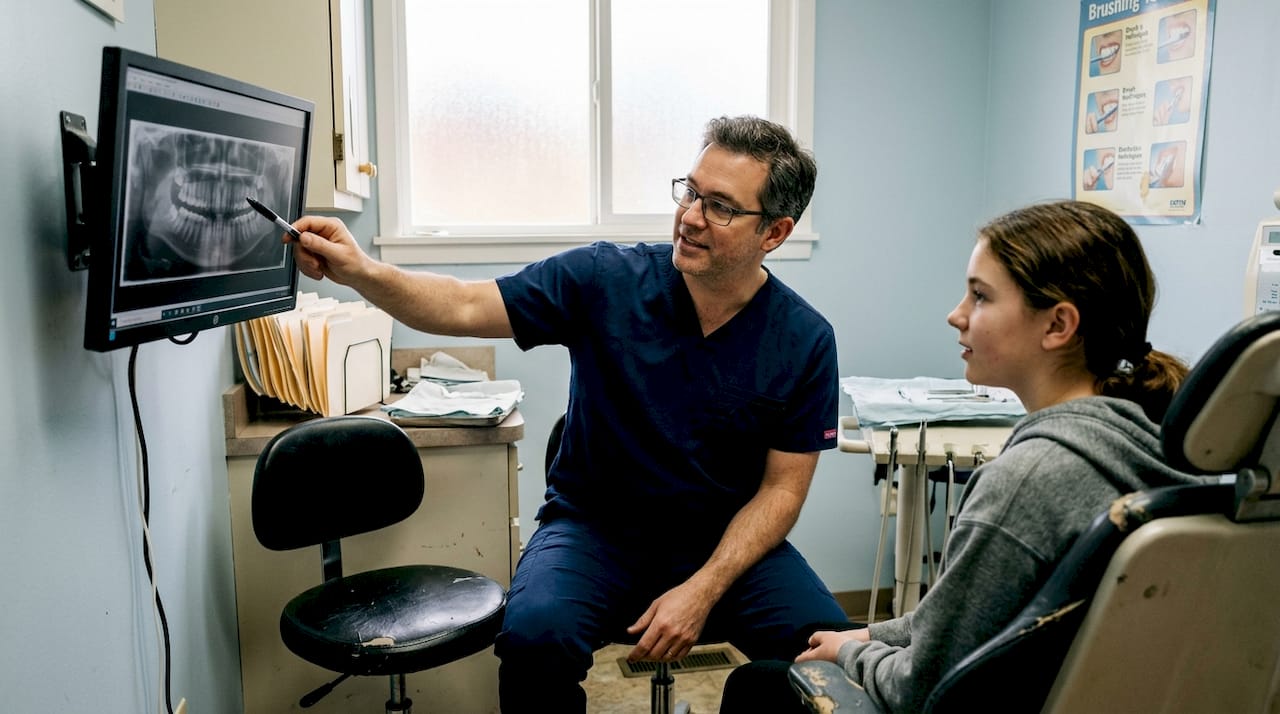
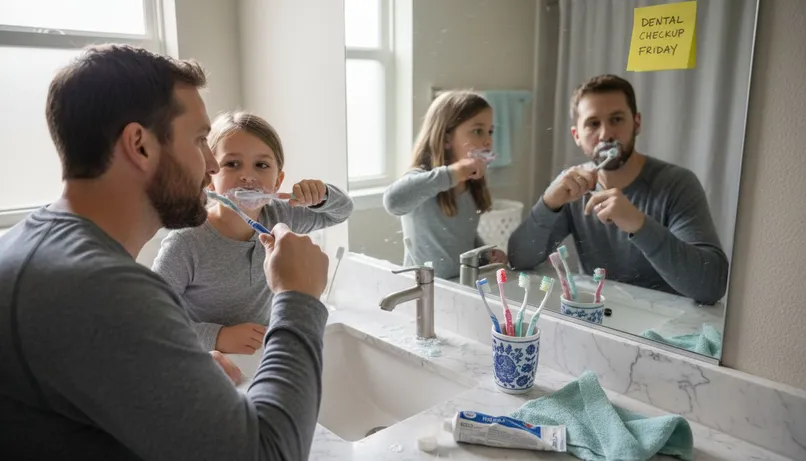
Over half of Spanish-speaking families in San Bernardino face challenges finding affordable dental care that follows American Dental Association guidelines. Reliable preventive routines make a difference, especially for parents using Denti-Cal who want long-term protection for their children’s teeth. This guide reveals proven methods for family oral health, offering practical advice to help everyone brush, floss, and maintain strong smiles while keeping costs low.
Table of Contents
- 1. Brush Teeth Twice Daily For Clean Oral Health
- 2. Floss Every Night To Prevent Gum Disease
- 3. Use Fluoride Toothpaste For Strong Teeth
- 4. Rinse With Mouthwash For Fresh Breath
- 5. Change Toothbrush Every Three Months
- 6. Schedule Regular Dental Checkups
- 7. Eat Tooth-Friendly Foods For Lasting Smile
Quick Summary
| Key Message | Explanation |
|---|---|
| 1. Brush Twice Daily | Brush teeth for two minutes in the morning and evening to prevent decay and maintain oral health. |
| 2. Floss Every Night | Use floss nightly to remove plaque between teeth and prevent gum disease. |
| 3. Use Fluoride Toothpaste | Choose fluoride toothpaste to strengthen enamel and reduce cavity risk during brushing. |
| 4. Schedule Regular Checkups | Regular dental visits help detect issues early and ensure optimal oral health for the family. |
| 5. Eat Tooth-Friendly Foods | Incorporate foods that promote saliva production and strengthen tooth enamel to protect against cavities. |
1. Brush Teeth Twice Daily for Clean Oral Health
Maintaining a consistent teeth brushing routine is the foundation of excellent family dental hygiene. Brushing your teeth twice daily with proper technique helps prevent tooth decay, gum disease, and maintains overall oral health.
The American Dental Association recommends a systematic approach to brushing. Each brushing session should last a full two minutes, targeting all surfaces of your teeth. Start by selecting a soft-bristled toothbrush and fluoride toothpaste designed for your family’s specific needs. When brushing, angle the brush 45 degrees toward your gumline and use gentle circular motions to clean the outer, inner, and chewing surfaces of every tooth.
Consistent brushing removes harmful plaque and food particles that can lead to cavities and bacterial buildup. By dedicating just four minutes per day to oral care (two minutes in the morning and two minutes before bed), you can significantly reduce your risk of dental problems. For families with children, making brushing a fun and routine activity can help establish lifelong healthy habits.
Pro tip: Replace your toothbrush every three to four months, or sooner if the bristles become frayed, to ensure maximum cleaning effectiveness.
2. Floss Every Night to Prevent Gum Disease
Daily flossing is a powerful defense against gum disease and oral health complications. Removing plaque between teeth prevents bacterial buildup that traditional brushing cannot reach.
Gum disease is a progressive condition that begins with bacterial inflammation and can escalate to serious oral health problems if left untreated. When plaque accumulates along the gumline, it hardens into tartar, causing gingivitis and potentially leading to periodontitis. This condition not only threatens your teeth but can also impact overall health, potentially contributing to systemic inflammation and other medical issues.
Effective flossing requires proper technique. Hold the floss tightly between your thumb and forefinger, gently guiding it between teeth with a rubbing motion. Curve the floss around each tooth in a C shape, ensuring you clean beneath the gumline. Alternate clean sections of floss for each tooth to prevent bacterial transfer.
Families can make flossing more engaging by turning it into a shared nightly routine. For children, colorful floss picks or flavored options can make the process more appealing. Different tools like traditional string floss, floss picks, or water flossers offer versatile options to suit individual preferences.
Pro tip: Keep floss in a visible location near your toothbrush as a daily reminder, and consider setting a consistent time each night to establish a reliable habit.
3. Use Fluoride Toothpaste for Strong Teeth
Fluoride toothpaste is a powerful weapon in the fight against tooth decay and enamel erosion. Strengthening tooth enamel naturally helps protect your family from cavities and dental complications.
This naturally occurring mineral works by remineralizing tooth enamel, creating a protective barrier against harmful bacteria and acid attacks. When you brush with fluoride toothpaste, microscopic amounts of fluoride integrate directly into your tooth structure, making them more resistant to decay. For families with children, this protection is especially crucial during the early years when tooth development is most vulnerable.
Choosing the right fluoride toothpaste involves considering age and individual dental needs. For young children, use a rice grain sized amount of fluoride toothpaste. Adults should select toothpastes with the American Dental Association seal of approval, which guarantees appropriate fluoride concentration and quality. Some toothpastes offer additional benefits like tartar control or sensitivity reduction, allowing you to customize your dental care approach.
Consistent use of fluoride toothpaste can significantly reduce cavity risk. Brush thoroughly for two minutes twice daily, focusing on all tooth surfaces and paying special attention to hard to reach areas. Encourage family members to spit out toothpaste after brushing and avoid rinsing immediately to maximize fluoride’s protective effects.
Pro tip: Store your fluoride toothpaste in a cool dry place and check the expiration date to ensure maximum effectiveness and protection.
4. Rinse with Mouthwash for Fresh Breath
Mouthwash is more than just a breath freshener it is a powerful tool in comprehensive oral hygiene. Reducing bacteria and protecting teeth helps prevent cavities and maintain overall oral health.
Therapeutic mouthwashes contain active ingredients that go beyond masking bad breath. These specialized rinses target harmful bacteria, reduce plaque buildup, and help prevent gingivitis. Different types of mouthwash serve various purposes from fighting cavities to soothing sensitive gums, allowing families to customize their oral care routine.
When incorporating mouthwash into your dental hygiene routine, timing and technique matter. Always use mouthwash after brushing and flossing to maximize its protective benefits. For adults, swish the recommended amount for 30 seconds, ensuring complete coverage of your mouth. Children under six should avoid mouthwash unless specifically recommended by a dentist.
Choosing the right mouthwash depends on your specific oral health needs. Look for products with the American Dental Association seal of approval. Those with fluoride provide extra cavity protection, while antibacterial formulas help reduce gingivitis. People with dry mouth or sensitivity can find specialized formulas that address their unique concerns.
Pro tip: Store your mouthwash away from direct sunlight and check the expiration date to maintain its effectiveness and ensure maximum oral protection.
5. Change Toothbrush Every Three Months
Your toothbrush is a critical tool in maintaining oral hygiene and should be treated like any other important personal care item. Replacing your toothbrush regularly prevents bacterial buildup and ensures effective cleaning.
The American Dental Association recommends changing your toothbrush every three to four months. Over time, toothbrush bristles become frayed and worn, reducing their ability to effectively remove plaque and food particles. This gradual deterioration means your cleaning efficiency decreases with each use, potentially compromising your oral health.
Special circumstances require even more frequent toothbrush replacement. After recovering from an illness like a cold or flu, immediately swap out your toothbrush to prevent potential reinfection. For families with children, parents should monitor toothbrush condition and replace them more frequently if bristles show significant wear. Electric toothbrush heads follow similar replacement guidelines and should be changed with the same regularity.
Tracking toothbrush replacement can be simple. Consider marking your calendar every three months or purchasing toothbrushes in multipacks with easy tracking. Some people coordinate toothbrush changes with seasonal shifts or personal milestones to make remembering easier.
Pro tip: Store your toothbrush in an upright position and allow it to air dry completely between uses to minimize bacterial growth and extend its effective lifespan.
6. Schedule Regular Dental Checkups
Dental checkups are your first line of defense in maintaining long term oral health. Preventing dental problems early helps avoid costly and complex treatments down the road.
While traditional recommendations suggest visiting a dentist twice yearly, modern approaches recommend personalized checkup frequencies based on individual risk factors. During these comprehensive examinations, dental professionals perform thorough cleanings, detect potential issues before they become serious, and provide customized oral hygiene guidance. These visits go beyond simple tooth cleaning they are strategic health assessments that can reveal early signs of systemic health problems.
Families should view dental checkups as proactive healthcare investments. Children and adults have different dental needs, so checkup intervals may vary. High risk individuals such as those with diabetes, smokers, or people with genetic predispositions to dental issues might require more frequent visits. Insurance plans often cover preventive checkups, making these essential health screenings financially accessible.
Scheduling dental visits can be simplified by setting calendar reminders or choosing a dental practice that offers convenient appointment scheduling. Many modern dental offices provide online booking, text reminders, and flexible hours to accommodate busy family schedules.
Pro tip: Keep a digital or physical dental health journal to track your family’s checkup dates, treatments, and any recommended follow up care.
7. Eat Tooth-Friendly Foods for Lasting Smile
Your diet plays a crucial role in maintaining optimal oral health and a radiant smile. Choosing foods that protect teeth can significantly reduce your risk of cavities and gum disease.
Certain foods act as natural defenders of your dental health. Fiber-rich fruits and vegetables stimulate saliva production, which helps neutralize harmful acids and wash away food particles. Dairy products packed with calcium and phosphates strengthen tooth enamel, while green and black teas contain polyphenols that combat bacterial growth. Drinking water and chewing sugarless gum can also help maintain a clean oral environment.
Strategic food choices can transform your dental wellness. Incorporate crunchy vegetables like carrots and celery that naturally clean teeth while providing essential nutrients. Opt for calcium-rich foods such as yogurt, cheese, and almonds. These not only support tooth mineralization but also help balance oral pH levels. Limit sugary snacks and acidic beverages that can erode tooth enamel and create an environment conducive to bacterial growth.
Mindful eating extends beyond individual meals. Consider how different food combinations and eating patterns impact your oral health. Rinse with water after consuming acidic foods, and try to consume sugary or acidic items during meals rather than as standalone snacks to minimize tooth exposure.
Pro tip: Keep a water bottle nearby during meals and snack times to help rinse your mouth and maintain optimal saliva flow.
Below is a comprehensive table summarizing the key strategies and practices for maintaining optimal oral hygiene as discussed throughout the article.
| Hygiene Practice | Description | Benefits |
|---|---|---|
| Brush Teeth Twice Daily | Use a soft-bristled toothbrush with fluoride toothpaste for two minutes per session. | Removes harmful plaque, prevents tooth decay, and maintains oral health. |
| Floss Every Night | Floss using proper technique to remove plaque between teeth and below the gumline. | Prevents gum disease and complements brushing for comprehensive cleaning. |
| Use Fluoride Toothpaste | Brush with fluoride toothpaste to strengthen enamel and resist acid damage. | Reduces cavity risk and protects developing teeth in children. |
| Rinse with Mouthwash | Incorporate mouthwash into the routine post-brushing to combat bacteria. | Freshens breath, reduces plaque, and offers customized benefits. |
| Change Toothbrush Regularly | Replace your toothbrush every three to four months or sooner if bristles fray. | Ensures effective cleaning and reduces bacterial contamination. |
| Schedule Dental Checkups | Attend regular dental evaluations customized to individual risk factors. | Early detection of issues and preventive cleanings maintain long-term health. |
| Eat Tooth-Friendly Foods | Consume foods high in fiber, calcium, and polyphenols. | Supports oral health, enamel strength, and saliva production. |
Take Control of Your Family’s Dental Health Today
Maintaining a thorough family dental hygiene checklist can feel overwhelming with busy schedules and varied needs. If you want to overcome common challenges like establishing consistent brushing and flossing routines or ensuring everyone gets expert care, you are not alone. This article highlights key steps such as brushing twice daily, flossing nightly, fluoride use, and regular dental checkups—all critical for preventing cavities and gum disease that can impact your loved ones’ smiles and confidence.
At Monteluz Dental Specialty Group, we understand these goals and challenges deeply. Our dedicated team in San Bernardino offers advanced dental treatments and comprehensive general dentistry tailored for families throughout the Inland Empire. From routine cleanings to specialized care including orthodontics and root canal therapy, we support your family at every step of your oral health journey. Explore expert tips and answers in our Dental Health to help you stay informed and empowered.
Ready to build lifelong healthy habits with trusted professionals who speak your language and accept your insurance? Visit Monteluz Dental Specialty Group now to schedule an appointment. Don’t wait for dental concerns to arise when prevention and early treatment can make all the difference. Start your family’s path to stronger teeth and glowing smiles today.
Frequently Asked Questions
How often should my family brush their teeth?
Brushing should be done twice daily, once in the morning and once before bed. Ensure that each session lasts for two minutes to effectively clean all surfaces of the teeth.
What is the best way to floss for effective oral hygiene?
Flossing should be done every night to remove plaque between teeth. Use a gentle rubbing motion to guide the floss in a C shape around each tooth, ensuring you clean below the gumline for maximum effectiveness.
How can I encourage my children to maintain a consistent dental hygiene routine?
Make dental hygiene fun by turning brushing and flossing into a family activity. Use colorful tools or flavored products to make the routines more appealing and engaging for kids.
Why is it important to use fluoride toothpaste for my family?
Fluoride toothpaste strengthens tooth enamel and helps prevent cavities. Choose an age-appropriate fluoride toothpaste and remind family members to avoid rinsing immediately after brushing to maximize fluoride effectiveness.
How often should we schedule dental checkups for our family?
Regular dental checkups should be scheduled at least twice a year, but may vary based on individual dental needs. Consider scheduling these visits based on your family members’ specific oral health needs to ensure proactive care.
What foods should we include in our diet for better dental health?
Incorporate fiber-rich fruits and vegetables, dairy products, and green or black tea into your family’s diet to promote oral health. Aim to limit sugary snacks and consider rinsing with water after consuming acidic foods to protect tooth enamel.
Recommended
- Essential Tips For A Healthy Smile
- The Benefits Of Regular Dental Checkups
- Tips To Maintain Your Smile After Cleaning
- The Importance of Pediatric Dental Health: Building a Lifetime of Healthy Smiles
- 7 Essential Oral Hygiene Tips for Families Seeking Natural Care – Stop Oral Care