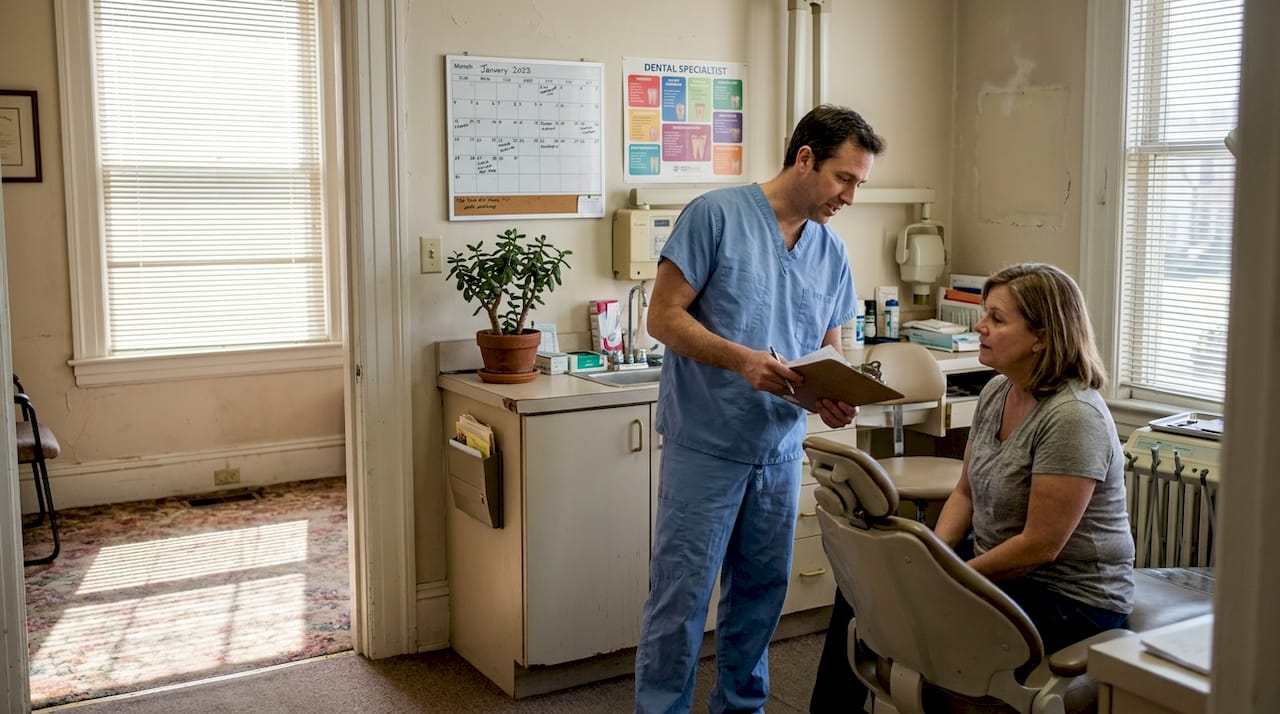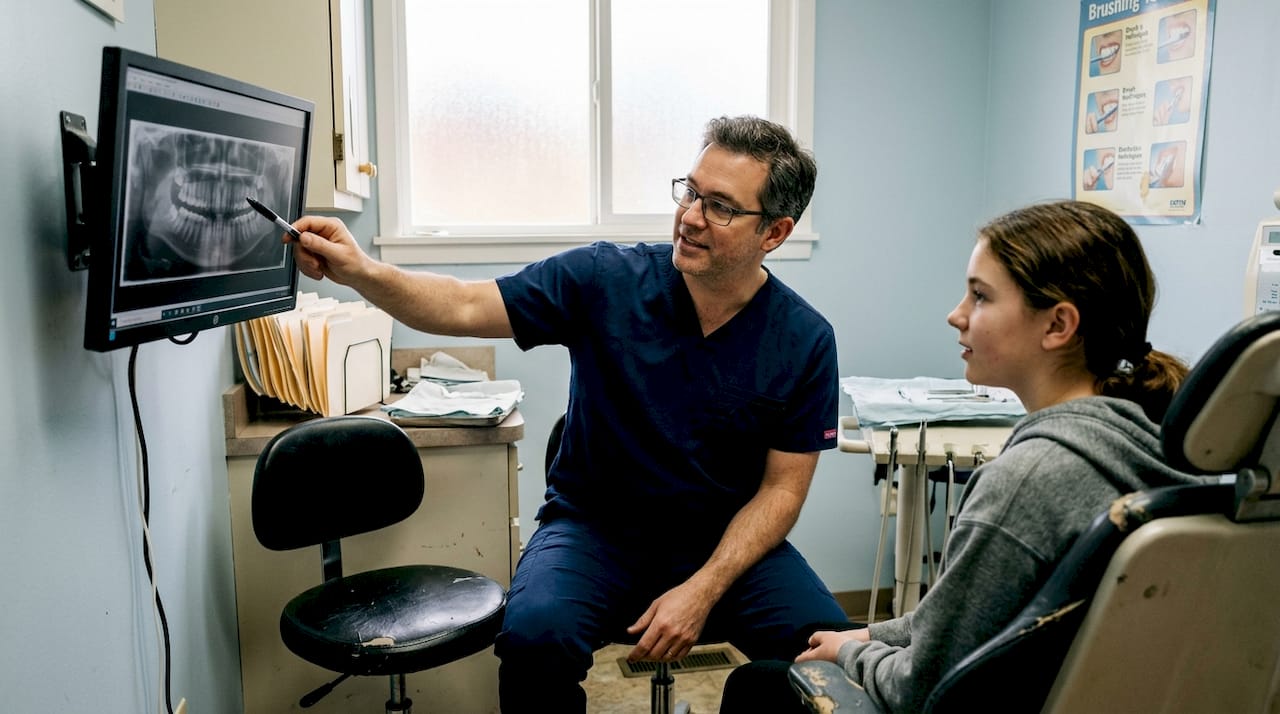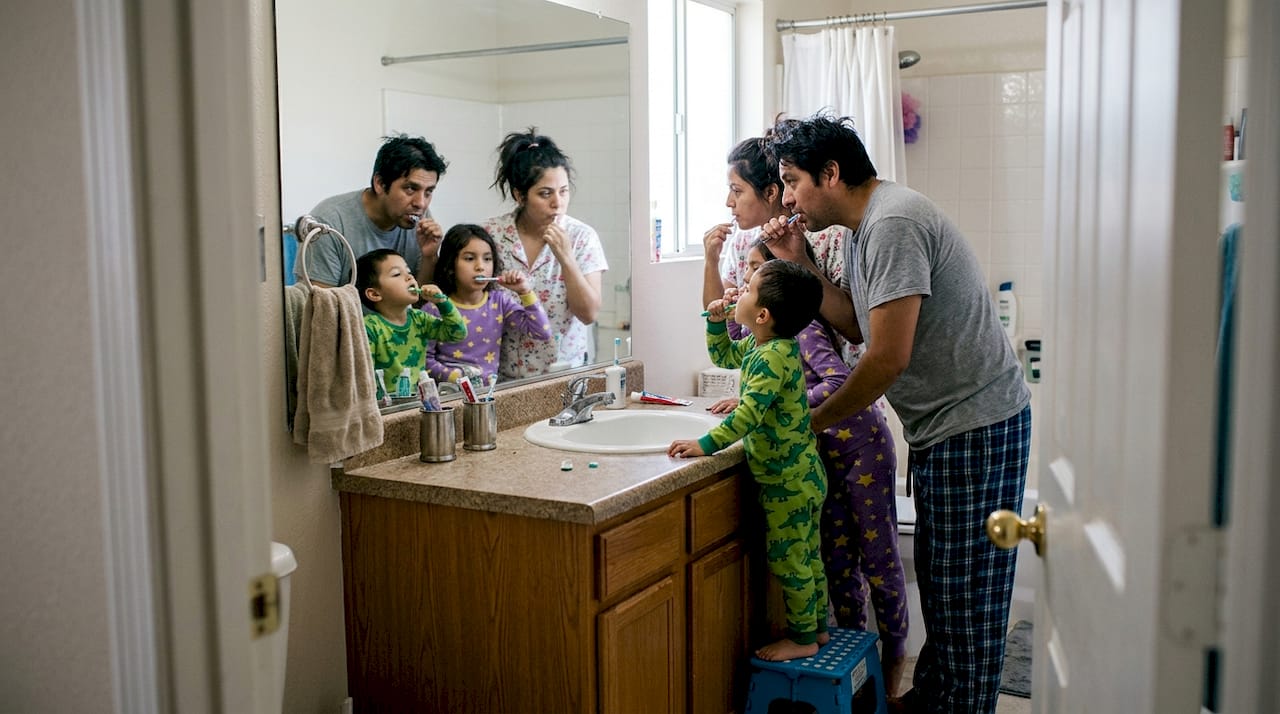

Struggling to fit dental care into your family budget is a reality for many households in San Bernardino, especially those relying on Denti-Cal for specialized treatments like implants or root canals. Dental expenses and limited insurance coverage can make accessing necessary care feel impossible. Understanding the options for affordable dental care empowers families to break down financial barriers and protect long-term health while discovering solutions matched to local needs.
Table of Contents
- Affordable Dental Care Defined And Explained
- Types Of Dental Coverage And Payment Options
- Health Risks Of Skipping Dental Care
- Financial Barriers Faced By Families
- Denti-Cal And Specialty Treatments Access
Key Takeaways
| Point | Details |
|---|---|
| Understanding Affordable Dental Care | Affordable dental care includes various strategies and programs that aim to make oral health services accessible, addressing both financial and emotional barriers. |
| Types of Dental Coverage | Families should evaluate different insurance plans like PPO, DHMO, and Indemnity based on their healthcare needs and budget to ensure effective management of dental expenses. |
| Health Risks of Skipping Dental Care | Neglecting dental care can lead to systemic health issues and mental health impacts, highlighting the significance of regular checkups to prevent long-term complications. |
| Financial Barriers | High costs and limited insurance coverage often prevent families from accessing necessary dental care, making it essential to explore community resources and sliding-scale options. |
Affordable dental care defined and explained
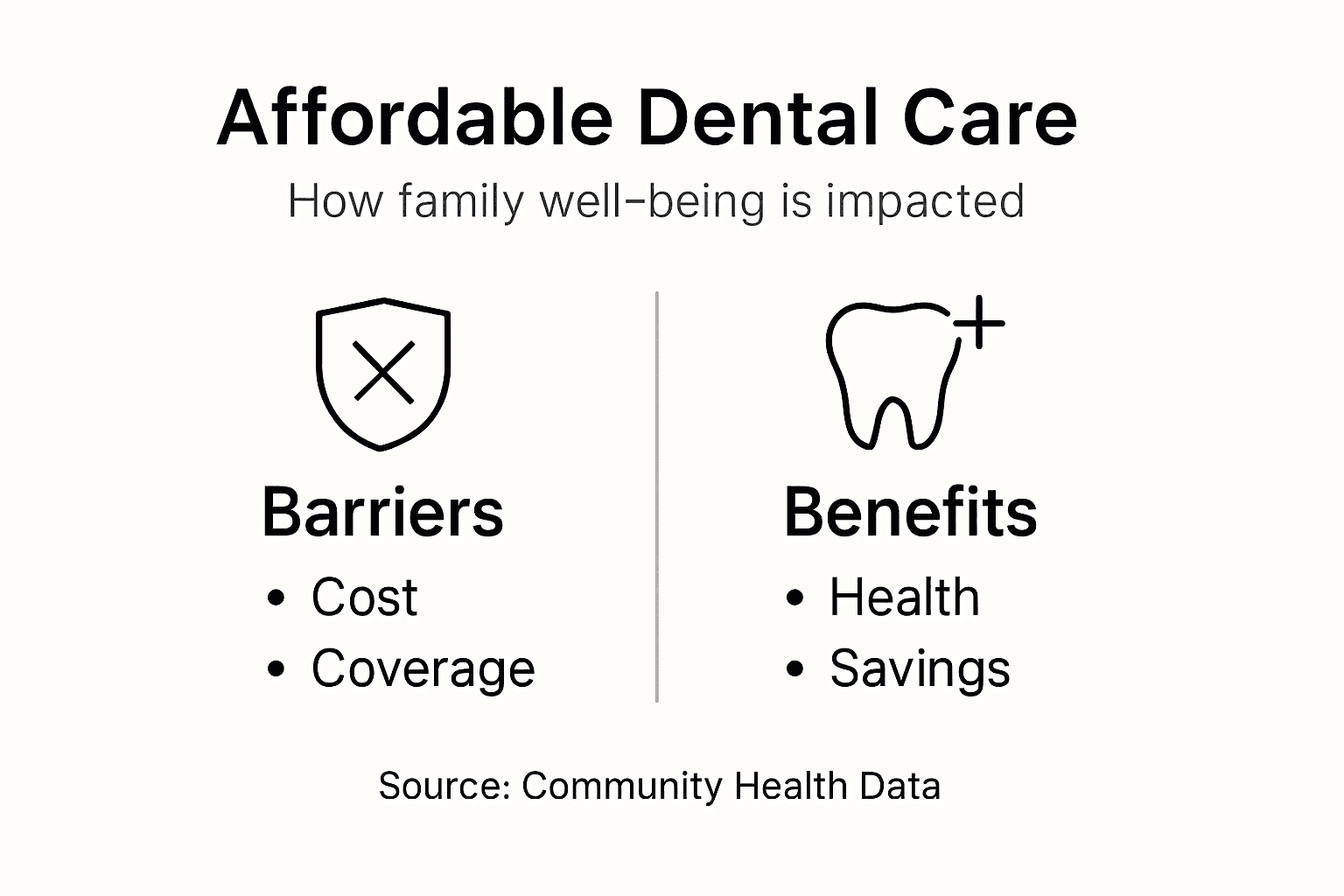
Affordable dental care represents more than just a low-cost service – it’s a comprehensive approach to making essential oral health services accessible and manageable for families. Access to dental coverage involves understanding various financial strategies and insurance options that reduce the economic burden of maintaining oral health.
At its core, affordable dental care encompasses several critical dimensions:
- Insurance plans that minimize out-of-pocket expenses
- Flexible payment structures for complex procedures
- Government and community-supported dental assistance programs
- Preventative care options that reduce long-term treatment costs
The definition extends beyond simple pricing. Affordability involves removing multifaceted barriers that prevent individuals from seeking timely dental treatment. These barriers include not just financial constraints, but also psychological factors like dental anxiety, geographical limitations, and perceived importance of oral healthcare.
Effective affordable dental care requires a holistic approach that addresses both economic and systemic challenges. Overcoming access barriers means creating comprehensive solutions that make dental services both financially and emotionally accessible to diverse community populations.
Pro tip: Research local dental clinics offering sliding-scale fees or community health centers with reduced-cost dental services to maximize your affordable care options.
Types of dental coverage and payment options
Dental insurance provides families with multiple strategies to manage oral healthcare expenses. Dental benefit plans come in several distinct formats, each designed to address different financial and healthcare needs.
The primary types of dental coverage include:
- Preferred Provider Organization (PPO) Plans
- Largest network of participating dentists
- More flexibility in choosing providers
- Typically higher monthly premiums
- Dental Health Maintenance Organization (DHMO) Plans
- Lower monthly costs
- Restricted to network providers
- Predictable copayment structures
- Indemnity Plans
- Allows treatment at any dental office
- Reimbursement based on procedure costs
- More out-of-pocket expenses initially
- Discount Dental Plans
- Not traditional insurance
- Provides reduced rates at participating providers
- Lower annual membership fees
Dental insurance basics reveal that payment structures typically involve a combination of premiums, copayments, deductibles, and coinsurance. Understanding these components helps families budget effectively for their oral healthcare needs.
Each plan type offers unique advantages, making it crucial for families to carefully evaluate their specific dental care requirements, budget constraints, and preferred provider networks before selecting coverage.
Here’s a comparison of typical dental coverage types and their suitability for different family needs:
| Coverage Type | Best For | Expected Costs | Flexibility |
|---|---|---|---|
| PPO Plans | Larger families | Higher premiums | Wide network access |
| DHMO Plans | Budget-conscious | Lower monthly cost | Limited provider choice |
| Indemnity Plans | Those needing choice | Higher initial expense | Any dentist allowed |
| Discount Dental Plans | Minimal users | Low annual fees | Restricted providers |
Pro tip: Compare multiple dental insurance plans and calculate your potential out-of-pocket expenses to find the most cost-effective option for your family’s dental health needs.
Health risks of skipping dental care
Skipping dental care00622-1/fulltext) represents far more than a simple missed appointment. Neglecting oral health can trigger a cascade of complex health complications that extend far beyond tooth decay and gum problems.
The primary health risks associated with avoiding dental care include:
- Systemic Health Complications
- Increased risk of cardiovascular disease
- Higher potential for diabetes complications
- Potential links to respiratory infections
- Chronic Oral Health Issues
- Rapid progression of tooth decay
- Advanced periodontal disease
- Potential tooth loss
- Psychological and Social Impact
- Reduced self-confidence
- Social interaction challenges
- Potential depression related to oral health
Financial barriers create significant obstacles for many individuals seeking regular dental care. Low-income populations often experience more severe health consequences due to delayed or avoided treatment, resulting in more complex and expensive interventions later.

Untreated dental conditions can transform minor issues into major health challenges, potentially impacting overall physical well-being and quality of life. The interconnected nature of oral and systemic health underscores the critical importance of consistent dental care.
This table summarizes major health consequences from delaying dental treatment:
| Health Impact | Physical Risk | Long-term Outcome |
|---|---|---|
| Systemic diseases | Heart, diabetes | Chronic illness risk |
| Oral health decline | Tooth/gum damage | Tooth loss, infection |
| Social effects | Confidence loss | Social withdrawal, anxiety |
Pro tip: Schedule preventative dental checkups at least twice annually, even if you currently feel no dental discomfort, to catch potential issues early and minimize long-term health risks.
Financial barriers faced by families
Financial obstacles represent a critical challenge for families seeking comprehensive dental care. These barriers extend far beyond simple cost concerns, creating complex systemic challenges that impact overall family health and well-being.
Key financial challenges families encounter include:
- Direct Cost Barriers
- High out-of-pocket treatment expenses
- Limited insurance coverage for comprehensive services
- Expensive specialized dental procedures
- Indirect Economic Impacts
- Lost work productivity due to dental health issues
- Potential long-term healthcare cost escalations
- Reduced family financial stability
- Insurance Coverage Limitations
- Restrictive Medicaid dental benefits
- High deductibles for dental services
- Minimal coverage for preventative care
Medicaid coverage disparities significantly influence families’ ability to access dental care, particularly for low-income households. These variations create substantial gaps in oral healthcare accessibility, disproportionately affecting vulnerable populations.
The cumulative effect of these financial barriers means many families are forced to delay or completely forgo essential dental treatments, potentially leading to more severe and expensive health complications in the future.
Pro tip: Explore community health centers, dental schools, and sliding-scale payment options to find more affordable dental care alternatives for your family.
Denti-Cal and specialty treatments access
Denti-Cal coverage represents a critical lifeline for low-income families seeking dental care in California. This Medicaid dental program provides essential benefits, though access to specialized treatments remains complex and often challenging for vulnerable populations.
Key aspects of Denti-Cal specialty treatment access include:
- Pediatric Coverage Strengths
- Comprehensive dental services for children
- Preventative and restorative treatments included
- Regular screening and intervention opportunities
- Adult Treatment Limitations
- Restricted specialty care coverage
- Narrow range of covered specialty procedures
- Significant provider availability challenges
- Specialty Treatment Barriers
- Limited reimbursement rates for providers
- Geographic provider distribution issues
- Complex authorization processes
Proposed legislative efforts aim to expand dental access by increasing reimbursement rates and broadening specialty care coverage. These policy initiatives seek to address long-standing inequities in oral healthcare accessibility for Medicaid recipients.
Navigating Denti-Cal’s specialty treatment landscape requires understanding its nuanced coverage rules, identifying supportive providers, and proactively exploring available options to maximize dental care opportunities.
Pro tip: Contact your local Denti-Cal representative to get a detailed, personalized breakdown of specialty treatment coverage specific to your family’s needs.
Transform Your Family’s Oral Health with Accessible and Affordable Care
Families face many challenges when trying to access affordable dental care, from managing insurance complexities to overcoming financial barriers that put essential treatments out of reach. This article highlights how issues like high out-of-pocket costs, limited specialty coverage, and skipping dental care can seriously affect your family’s well-being. At Monteluz Dental Specialty Group, we understand these struggles and prioritize making advanced dental services accessible through compassionate support and flexible payment options.
Discover solutions designed to break down those barriers at Monteluz. Whether you need expert care with Denti-Cal, PPO, or HMO plans or prefer the convenience of our in-house dental membership program starting at just $20 per month, we are committed to providing comprehensive treatment that fits your budget. Visit our Dental Health for helpful resources about maintaining family oral health. Take the first step toward affordable, quality dental care by exploring all we offer at Monteluz Dental Specialty Group. Your family deserves expert dental care without compromise. Contact us now to schedule a consultation and secure a healthier smile for every member today.
Frequently Asked Questions
What is affordable dental care?
Affordable dental care is a comprehensive approach that includes services designed to make essential oral health services accessible and manageable for families. This involves minimizing out-of-pocket expenses through insurance plans, flexible payment options, and preventative care strategies.
How can financial barriers affect access to dental care for families?
Financial barriers can create significant challenges, including high out-of-pocket expenses, limited insurance coverage, and indirect costs such as lost productivity due to dental health issues. These factors can lead families to delay or forgo essential dental treatments, worsening health outcomes over time.
What types of dental insurance coverage are available for families?
There are several types of dental insurance plans, including Preferred Provider Organization (PPO) Plans, Dental Health Maintenance Organization (DHMO) Plans, Indemnity Plans, and Discount Dental Plans. Each type offers different costs, flexibility, and networks, making it important for families to evaluate their specific needs before choosing a plan.
Why is regular dental care important for overall health?
Regular dental care is crucial as neglecting oral health can lead to serious systemic health complications, such as increased risk of cardiovascular disease and diabetes. Additionally, untreated dental issues can cause chronic oral health problems and negatively impact mental well-being, emphasizing the importance of consistent dental visits.
Recommended
- Affordability in Dental Care – How It Shapes Access
- Affordable Dental Care Workflow for Families Near You
- 7 Top Advantages of Dental Membership Programs for Families
- Affordable Dental Care Explained: Real Options in California