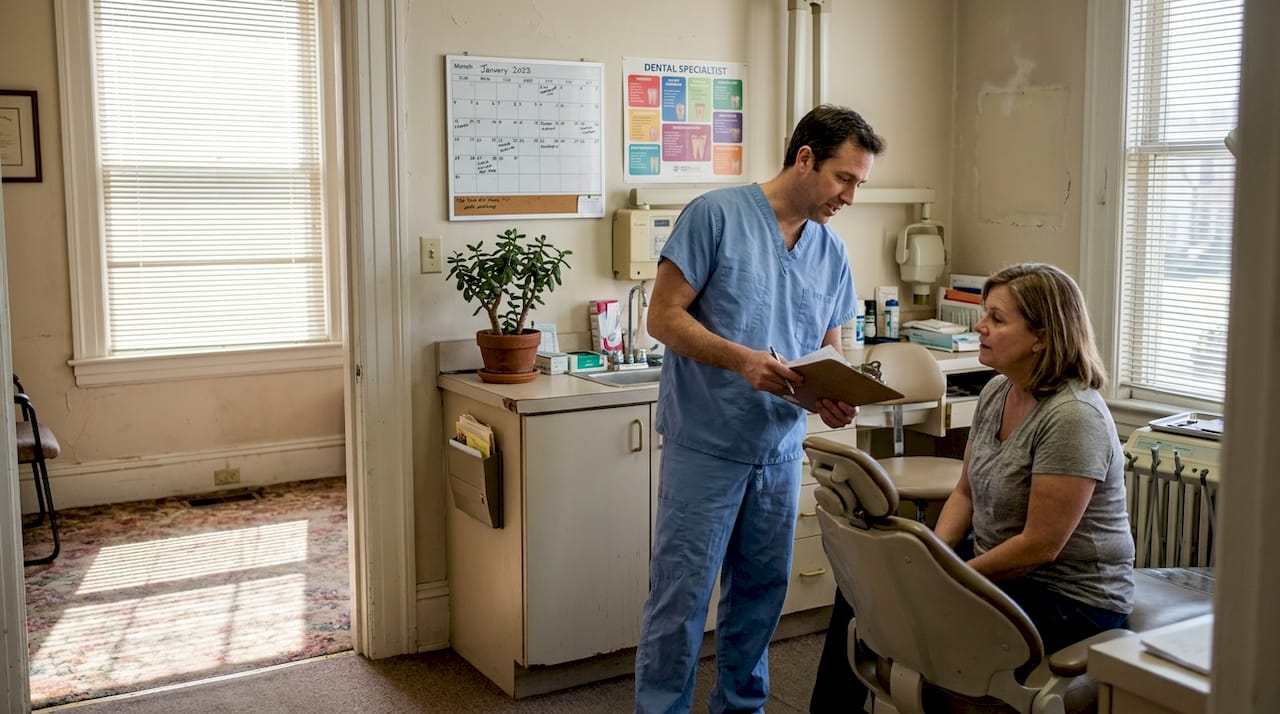

Finding affordable orthodontic care can feel like a major hurdle for many American families, especially when budgets are tight in places like San Bernardino. For Spanish-speaking households, balancing the cost of braces or aligners with everyday expenses may seem impossible. The good news is that more than 60 percent of families in California use programs like Denti-Cal or local in-house membership plans to make orthodontic treatment accessible. Discover how your family can benefit from these options and start your journey to a healthier smile.
Table of Contents
-
Step 1: Assess Orthodontic Needs With A Professional Consultation
-
Step 2: Explore Affordable Payment Options Including Denti-Cal And Plans
-
Step 3: Choose The Best Orthodontic Treatment For Your Family
-
Step 4: Verify Coverage And Enroll In In-House Membership Programs
-
Step 5: Monitor Orthodontic Progress And Maintain Ongoing Care
Quick Summary
| Key Point | Explanation |
| 1. Consult an Orthodontist First | Start your orthodontic journey with a professional consultation to evaluate your dental needs. |
| 2. Understand Payment Options | Explore options like Denti-Cal and in-house payment plans to manage costs effectively. |
| 3. Choose the Right Treatment | Assess various treatment types to select the best option for each family member’s needs. |
| 4. Verify Insurance and Membership | Check your insurance coverage and consider dental membership programs for predictable costs. |
| 5. Monitor Progress Regularly | Maintain regular check-ups and use advanced tools for tracking treatment progress effectively. |
Step 1: Assess orthodontic needs with a professional consultation
Starting your orthodontic journey begins with a professional consultation designed to understand your unique dental requirements and potential treatment options. The American Association of Orthodontists recommends that individuals consult an orthodontic specialist to evaluate their specific dental alignment and bite concerns.
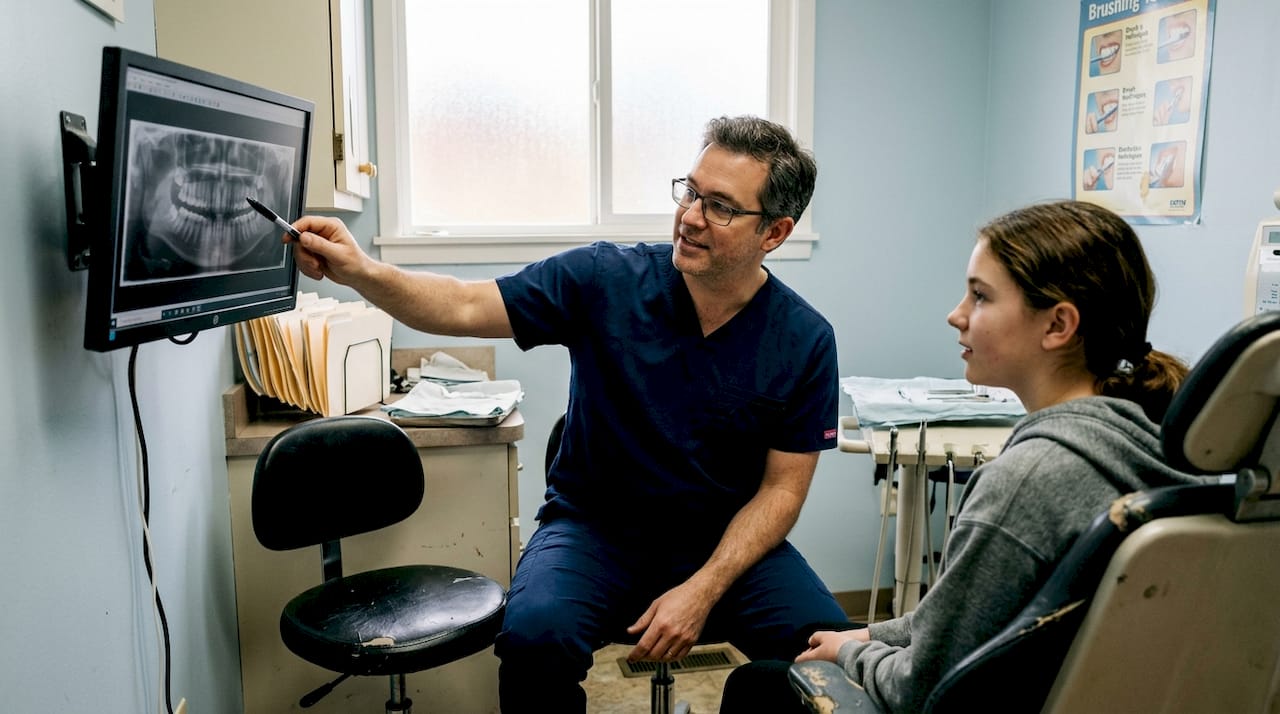
During your initial consultation, an experienced orthodontist will conduct a comprehensive examination that typically includes several key components. This involves a detailed clinical assessment where the specialist carefully examines your teeth, jaw positioning, and overall oral structure. Advanced imaging techniques like digital x rays and 3D scans will help create a precise map of your dental landscape. These diagnostic tools allow the orthodontist to identify specific misalignments, overcrowding, bite irregularities, or potential growth issues that might require intervention.
After the initial assessment, your orthodontist will discuss personalized treatment recommendations tailored specifically to your dental needs. They will explain potential treatment paths such as traditional braces, clear aligners, or other specialized orthodontic approaches. This consultation provides an opportunity to ask questions, understand potential timelines, and explore financial options that make your orthodontic care accessible and manageable.
Pro Tip: Bring a list of questions and your dental insurance information to maximize the value of your first orthodontic consultation.
Step 2: Explore affordable payment options including Denti-Cal and plans
Navigating orthodontic treatment costs can be challenging, but understanding your payment options can make quality dental care more accessible. The American Association of Orthodontists highlights multiple affordable payment strategies designed to help families manage their orthodontic expenses effectively.
One primary option for low income families in California is Denti-Cal, the state’s Medicaid dental program. This program provides coverage for eligible individuals, significantly reducing out of pocket expenses for orthodontic treatments. Many orthodontic offices also offer flexible in house payment plans that allow you to spread treatment costs over time. These plans typically involve an initial down payment followed by monthly installments with minimal or no interest. Some practices even provide sliding scale fees based on household income, making specialized dental care more attainable for families with limited financial resources.

Beyond government assistance and practice specific plans, third party financing options can further help manage orthodontic expenses. These financing solutions often provide extended payment terms and can be customized to fit different budget constraints. Some credit companies specialize in medical and dental financing, offering low interest rates and convenient monthly payment schedules that make comprehensive orthodontic treatment more manageable.
Pro Tip: Always request a detailed cost breakdown and discuss all available payment options during your initial consultation to find the most affordable approach for your specific financial situation.
Step 3: Choose the best orthodontic treatment for your family
Selecting the right orthodontic treatment requires careful consideration of each family member’s unique dental needs and personal preferences. The American Association of Orthodontists recommends comprehensive evaluations to determine the most appropriate treatment approach for different age groups.
Orthodontic options vary widely to accommodate different needs. For children, early intervention can help address potential growth related issues and prevent more complex treatments later. Teens often prefer less visible options like clear aligners or ceramic braces that provide aesthetic advantages. Adults might choose from traditional metal braces, lingual braces positioned behind teeth, or clear aligner systems that offer maximum discretion during treatment. Each treatment type comes with specific benefits for different lifestyles and dental challenges. Metal braces remain highly effective for complex misalignments, while clear aligners provide more flexibility for professionals and image conscious patients.
Here’s a comparison of common orthodontic treatment options by age group and features:
| Treatment Type | Best for Age Group | Aesthetic Impact | Typical Duration |
| Metal Braces | Children, Adults | Highly visible | 18-36 months |
| Ceramic Braces | Teens, Adults | Less visible | 18-36 months |
| Clear Aligners | Teens, Adults | Nearly invisible | 12-24 months |
| Lingual Braces | Adults | Hidden behind teeth | 18-36 months |
Your orthodontist will help you navigate these choices by conducting a thorough examination and discussing your family’s specific goals. Factors like treatment duration, cost, comfort, and aesthetic preferences play crucial roles in making the right selection. Some families might prioritize rapid treatment, while others focus on minimally invasive options that fit their budget and lifestyle.
Pro Tip: Consider scheduling individual consultations for each family member to create personalized treatment plans that address their specific dental alignment needs.
Step 4: Verify coverage and enroll in in-house membership programs
Navigating dental insurance and membership programs can help your family access affordable orthodontic care with predictable costs and comprehensive benefits. Dental membership programs offer subscription-based care that simplify the process of receiving quality dental treatments.
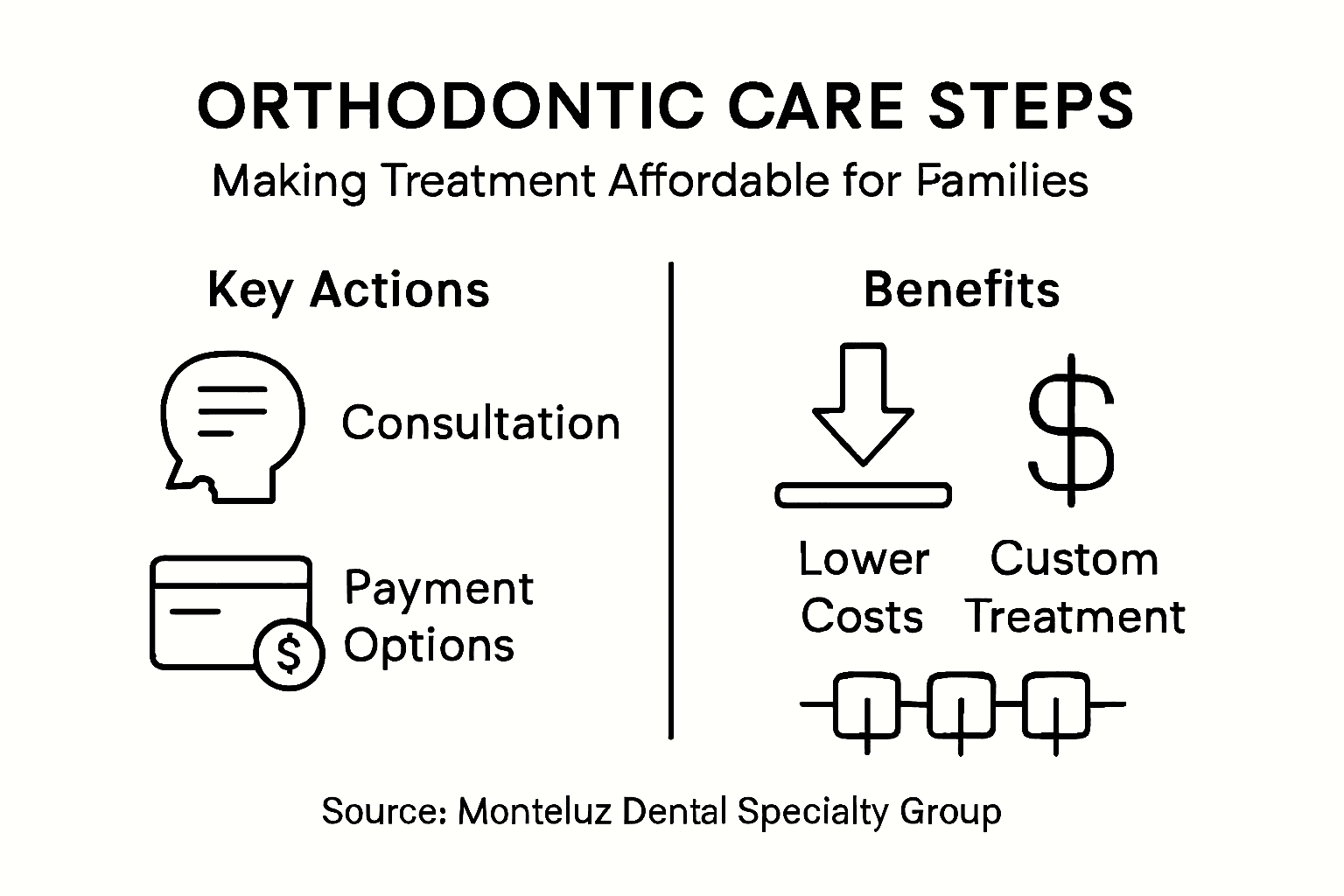
To verify your coverage and explore in-house membership options, start by gathering your current insurance information and reviewing your family’s specific dental needs. Most in-house membership programs cost between $20 and $35 per month and provide significant advantages over traditional insurance. These plans typically include preventive services at no additional charge and offer substantial discounts on specialized treatments like orthodontics. Uninsured or underinsured families can particularly benefit from these programs, which eliminate complex insurance requirements such as deductibles, waiting periods, and claim submissions.
When exploring membership programs, carefully compare the specific benefits, discount percentages, and included services. Ask about family plan options, potential savings on orthodontic treatments, and whether the program allows flexibility in payment and treatment scheduling. Some practices offer tiered membership levels that can be customized to your family’s unique dental health requirements and budget constraints.
Compare affordable payment and membership options for orthodontic care:
| Payment Option | Eligibility | Coverage Details | Key Advantage |
| Denti-Cal (Medicaid) | Low-income families | Covers eligible treatments | Lowest out-of-pocket expense |
| In-house Payment Plan | All patients | Down payment + monthly fees | Flexible, interest often low |
| Membership Program | Uninsured/All families | Preventive + discounted ortho | No deductibles, predictable cost |
| Third-party Financing | Most patients | Extended payment terms | Tailored budget solutions |
Pro Tip: Request a detailed breakdown of the membership program benefits and calculate your potential annual savings before enrolling to ensure the plan meets your family’s specific orthodontic care needs.
Step 5: Monitor orthodontic progress and maintain ongoing care
Successful orthodontic treatment requires consistent monitoring and proactive maintenance to ensure optimal results. Advanced AI technologies are transforming orthodontic progress tracking by enabling more precise and personalized treatment management.
To effectively monitor your orthodontic progress, establish a routine of regular check ups with your orthodontist. These appointments allow for professional assessment of tooth movement, bite alignment, and overall treatment effectiveness. Modern orthodontic practices now offer innovative remote monitoring tools that can help you track your treatment between in office visits. These digital platforms often include features like progress bars, treatment timelines, and real time data visualization that keep you informed about your dental transformation.
Maintaining excellent oral hygiene is crucial during orthodontic treatment. Follow your orthodontist’s specific care instructions, which may include specialized cleaning techniques for braces or aligners. Keep all scheduled appointments, promptly address any discomfort or adjustments needed, and maintain consistent communication with your dental care team. Your active participation and commitment are key to achieving the best possible outcomes and ensuring your treatment stays on track.
Pro Tip: Take periodic photos of your teeth to visually track your progress and maintain motivation throughout your orthodontic journey.
Discover Affordable Orthodontic Care Solutions Tailored for Your Family
Orthodontic treatment can seem overwhelming with its costs and choices but Monteluz Dental Specialty Group in San Bernardino is here to help you overcome these challenges. We understand the need for accessible payment options such as Denti-Cal and in-house membership programs to ease financial strain. Our patient-centered approach offers flexible financing and bilingual support to ensure your family gains effective, personalized orthodontic care without compromising quality.
Take the first step towards a confident smile today by exploring how Monteluz Dental can make orthodontic treatment affordable and manageable for your family. Visit our Dental Health to learn more about dental care options or start your journey directly on our homepage. Don’t wait to give your loved ones the smile they deserve. Contact us now to schedule your consultation and unlock the benefits of advanced orthodontic solutions tailored to your needs.
Frequently Asked Questions
How can I start my family’s orthodontic journey?
Starting your family’s orthodontic journey begins with a professional consultation. Schedule an appointment with an orthodontist to assess each individual’s dental needs and discuss potential treatment options.
What affordable payment options are available for orthodontic care?
Affordable payment options include Denti-Cal for eligible low-income families, in-house payment plans, and third-party financing. Explore these options during your consultation to find a plan that suits your family’s budget and treatment goals.
How do I choose the right orthodontic treatment for my child?
To choose the right orthodontic treatment, evaluate your child’s specific dental needs and preferences. Consult with your orthodontist who can provide tailored recommendations, considering factors such as comfort, duration, and aesthetic impact.
What should I look for in an in-house membership program for orthodontics?
When considering an in-house membership program, look for plans that offer discounts on orthodontic treatments, cover preventive services, and have straightforward pricing without hidden fees. Compare the benefits provided and calculate potential savings for your family’s orthodontic care.
How can I track my child’s orthodontic progress?
To track your child’s orthodontic progress effectively, schedule regular check-ups with the orthodontist and utilize any available remote monitoring tools that can provide updates between visits. Stay proactive by asking about progress during appointments and maintaining clear communication with the orthodontic team.
What are the best practices for maintaining oral hygiene during orthodontic treatment?
Maintaining excellent oral hygiene during orthodontic treatment involves following your orthodontist’s specific care instructions, which may include specialized cleaning techniques for braces or aligners. Establish a daily routine and keep all scheduled appointments to ensure optimal dental health and treatment success.
Recommended
-
Orthodontist Child Age 7 First Orthodontic Visit Childrens Braces
-
Expert Orthodontic Care in San Bernardino | Braces & Aligners
-
Whats The Best Age To Get Braces
-
The Importance of Pediatric Dental Health: Building a Lifetime of Healthy Smiles