Finding the right implant dentist in San Bernardino feels overwhelming when you need quality care that fits your budget, accepts your insurance, and offers bilingual support. Many families in the Inland Empire struggle to navigate these critical factors while ensuring they receive safe, effective treatment. This guide walks you through evaluating dentist qualifications, understanding implant materials, comparing costs and insurance options, and identifying the local resources that make affordable, expert implant care accessible to you.
Table of Contents
- Understanding What You Need: Prerequisites For Choosing An Implant Dentist
- Evaluating Implant Dentist Qualifications And Experience
- Comparing Implant Materials And Technological Options
- Assessing Affordability, Insurance, And Financing Options Locally
- Explore Expert Implant Care With Monteluz Specialty In San Bernardino
- Frequently Asked Questions
Key takeaways
| Point | Details |
|---|---|
| Cost and coverage | Insurance acceptance and financing options dramatically affect affordability and access to quality implant care. |
| Specialist training | Specialist training improves implant success rates with board-certified periodontists and oral surgeons achieving better outcomes. |
| Bilingual communication | Bilingual support improves communication and ensures patients fully understand treatment plans and aftercare. |
| Material selection | Titanium and zirconia implants offer different benefits for durability, aesthetics, and individual patient needs. |
| Local resources | San Bernardino and Inland Empire providers offer diverse insurance plans and membership programs to reduce barriers. |
Understanding what you need: prerequisites for choosing an implant dentist
Before selecting your implant dentist, you need foundational knowledge about the procedure and local considerations. Dental implant treatment involves several distinct steps: initial consultation and assessment, 3D imaging and scans, surgical placement of the implant post, healing and osseointegration period, and final restoration with the crown or bridge.
For families in San Bernardino and the Inland Empire, bilingual support improves communication and ensures non-English speakers clearly understand every aspect of their treatment plan and post-operative care instructions. This clarity directly impacts treatment adherence and outcomes.
You should verify insurance acceptance before committing to a provider. Check which plans the dentist accepts, whether Denti-Cal (Medi-Cal), PPO, or HMO options fit your coverage. Many local practices offer multilingual dental services and flexible financing to accommodate diverse patient needs.
Understanding your local context matters significantly. The Inland Empire has a large Spanish-speaking population, making bilingual support benefits essential for optimal care delivery. Research shows that language concordance between patient and provider leads to better health outcomes and higher satisfaction.
Pro Tip: Prepare a written list of questions about your specific insurance coverage, available bilingual services, and payment plans before your consultation to maximize the value of your appointment time.
Key preparation steps include:
- Verify your current insurance coverage details and limitations for implant procedures
- List any medical conditions or medications that might affect implant candidacy
- Identify language preferences and confirm the practice offers appropriate support
- Research typical costs in your area to recognize fair pricing
- Gather referrals from trusted sources in your community
Evaluating implant dentist qualifications and experience
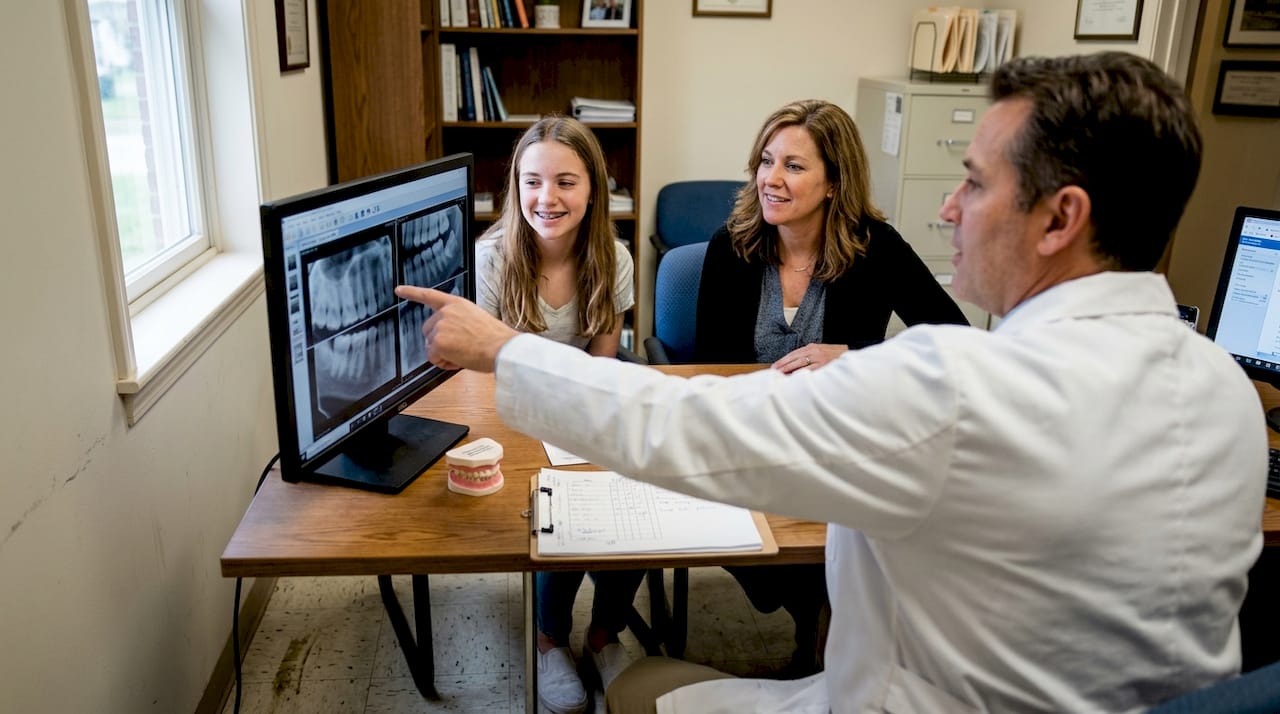
Your dentist’s credentials and track record directly determine your implant success. Look for board certification from recognized dental organizations, which demonstrates advanced training and adherence to high standards. Specialist training improves implant success rates significantly, with periodontists and oral surgeons showing superior long-term outcomes compared to general dentists.
Ask direct questions about the dentist’s implant experience. How many procedures have they performed? What is their complication rate? Research indicates 95% success rate over 10 years for properly placed dental implants, so your provider’s statistics should align with or exceed this benchmark.
Specialist training matters because implant dentistry requires precise surgical skills, understanding of bone biology, and expertise in managing complications. General dentists may offer implants, but specialists dedicate their entire practice to these procedures and related treatments.
Exercise caution with unusually low-cost offers that lack transparent credential information. Quality implant care requires significant expertise, proper materials, and sterile surgical environments. Cutting corners on these factors increases failure risk dramatically.
Expert advice: Verify that your chosen dentist maintains continuing education in implant dentistry and stays current with evolving techniques and materials. The field advances rapidly, and ongoing training ensures you receive evidence-based care.
When evaluating qualifications, consider:
- Board certification status and specialty designation
- Years of experience specifically with dental implants
- Continuing education courses and advanced training certificates
- Professional memberships in organizations like the American Academy of Implant Dentistry
- Published success rates and willingness to discuss outcomes transparently
Understanding insurance and dentist choice connections helps you find qualified providers within your network. Review dentist credentials standards set by the American Dental Association to establish baseline expectations for professional qualifications.
Comparing implant materials and technological options
Implant materials significantly affect your treatment outcomes, aesthetics, and long-term satisfaction. The Impact of implant material on success shows titanium and zirconia as the dominant options, each with distinct advantages.
Titanium implants represent the gold standard with decades of research supporting their durability and biocompatibility. They integrate exceptionally well with bone tissue, resist corrosion, and demonstrate proven longevity. The trade-off involves their metallic composition, which some patients prefer to avoid.
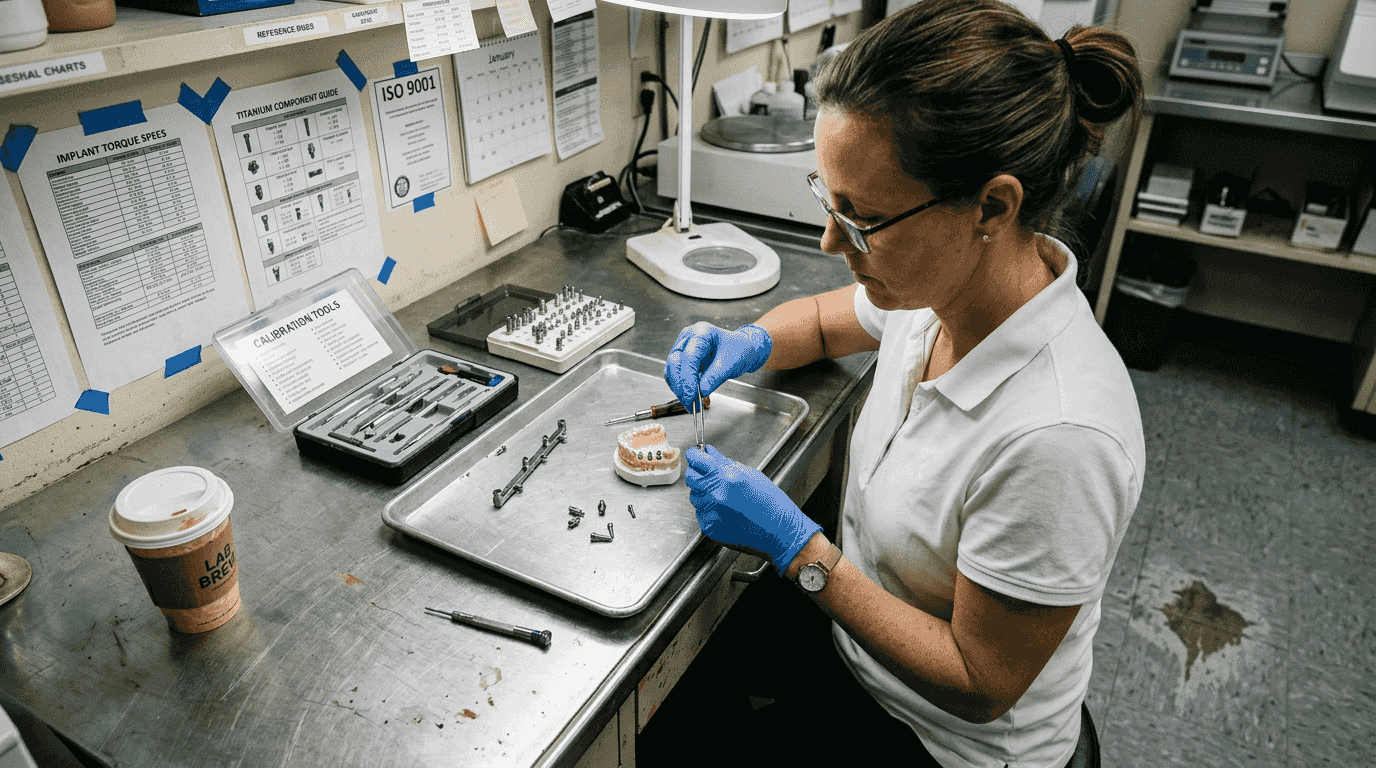
Zirconia implants offer metal-free alternatives with superior aesthetics, particularly important for front teeth where gum recession might expose implant margins. They appear white rather than gray, eliminating the shadowing effect titanium can create. However, zirconia has less long-term clinical data compared to titanium.
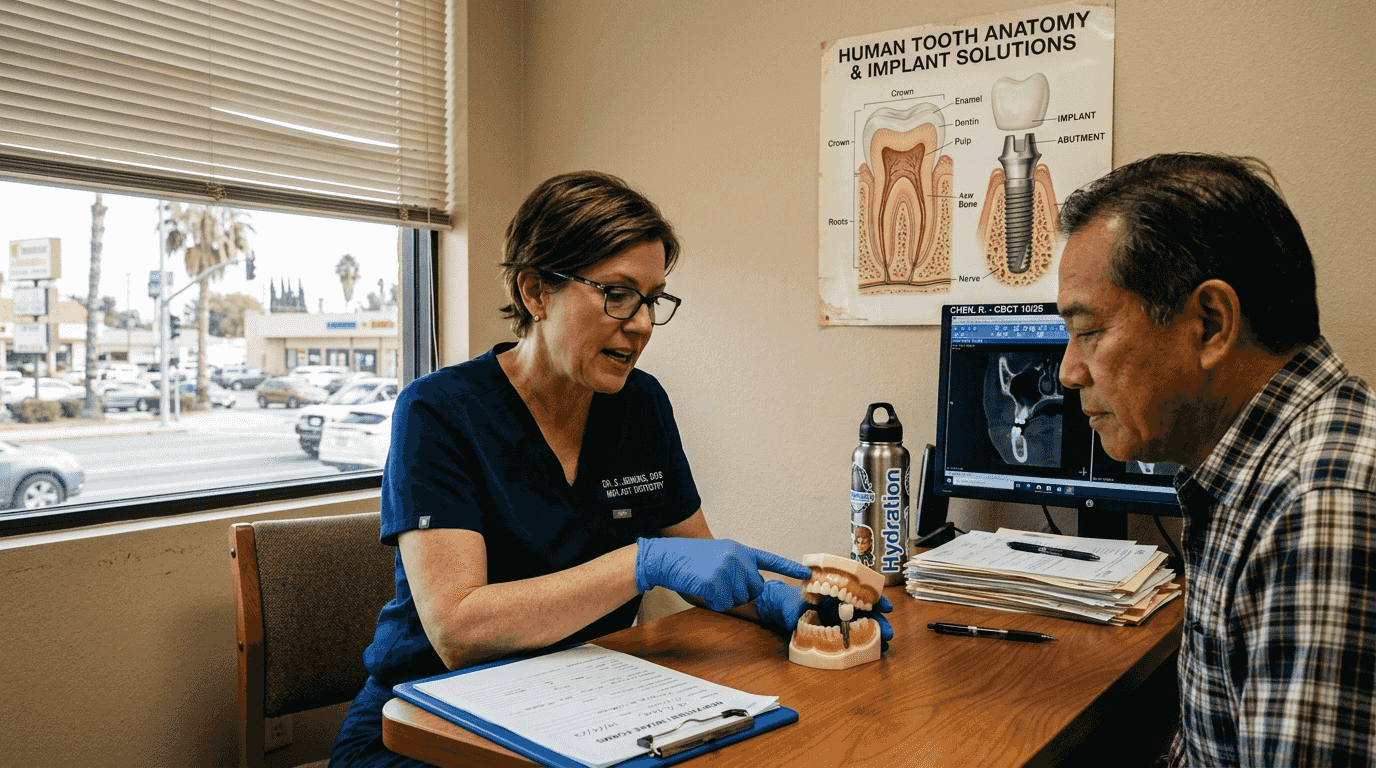
Advanced technology like 3D cone beam imaging and computer-guided surgery improves placement precision dramatically. These tools allow your dentist to plan exact implant positioning, avoid vital structures, and achieve optimal aesthetic results. Ask whether your provider uses digital planning technology.
Pro Tip: Discuss any metal sensitivities, aesthetic priorities, and lifestyle factors with your dentist when selecting implant materials, as individual circumstances should guide material choice rather than universal recommendations.
| Material | Advantages | Considerations |
|---|---|---|
| Titanium | Extensive research, proven durability, excellent bone integration | Metallic appearance, potential metal sensitivity concerns |
| Zirconia | Metal-free, superior aesthetics, biocompatible | Less long-term data, higher material cost |
Explore types of dental implants to understand how material choices intersect with implant designs and treatment approaches for your specific needs.
Assessing affordability, insurance, and financing options locally
Cost represents a major concern for most patients considering dental implants. Understanding the full financial picture helps you make informed decisions and avoid unexpected expenses. Cost factors for dental implants vary widely based on location, dentist experience, and case complexity.
Total implant costs include multiple components: initial consultation and diagnostic imaging, surgical placement procedure, abutment and crown fabrication, and follow-up appointments. Each phase carries separate fees that accumulate to the final investment.
Insurance impact on dental implant access shows significant variation in coverage policies. Some plans categorize implants as cosmetic and provide no benefits, while others cover portions of the procedure, particularly the crown restoration. Review your specific policy details carefully.
San Bernardino and Inland Empire providers often accept diverse insurance plans including Denti-Cal, PPO, and HMO options. Many practices also offer in-house membership programs for uninsured patients, with monthly fees starting around $20 that provide discounted services and preventive care.
| Cost Component | Typical Range | Insurance Coverage |
|---|---|---|
| Consultation and imaging | $100 to $300 | Often covered |
| Implant surgery | $1,500 to $3,000 | Variable, sometimes partial |
| Abutment and crown | $1,000 to $2,500 | Crown often covered |
| Total per tooth | $3,000 to $6,000 | 0% to 50% typical |
Maximize your insurance benefits and reduce out-of-pocket costs with these strategies:
- Verify coverage details directly with your insurance provider before treatment
- Ask if splitting treatment across plan years increases total benefits
- Explore financing plans with low or zero interest promotional periods
- Consider dental membership programs if you lack traditional insurance
- Request itemized treatment plans to understand each cost component
- Compare quotes from multiple qualified providers in your area
Learn more about implant financing guide options and review detailed implant cost factors that influence your total investment in restoring your smile.
Explore expert implant care with Monteluz Specialty in San Bernardino
After understanding the critical factors in choosing an implant dentist, you need a trusted local provider that meets these important criteria. Monteluz Specialty offers expert dental implant services specifically designed for Inland Empire families seeking quality care with accessibility and affordability.
Their team provides comprehensive dental implants tooth replacement solutions with bilingual Spanish support ensuring clear communication throughout your treatment journey. They accept Denti-Cal (Medi-Cal), PPO, and HMO insurance plans, plus offer flexible financing and an in-house membership program starting at just $20 monthly for uninsured patients.
Schedule a consultation to discuss your personalized treatment plan, explore implant financing guide options, and discover how accessible dental care can restore your confidence and oral health without financial stress.
Frequently asked questions
What qualifications should I look for in an implant dentist?
Look for board certification, specialist training in periodontics or oral surgery, and extensive experience specifically with dental implant procedures. Check patient reviews, ask about their success rates and complication statistics, and verify they maintain continuing education in implant dentistry.
How can I verify if my insurance covers dental implants?
Contact your insurance provider directly and speak with the dentist’s billing department to confirm coverage details for your specific plan. Ask whether consultations, imaging, surgery, and restorations receive benefits, and identify network providers to minimize out-of-pocket expenses. Review insurance coverage for implants to understand common coverage patterns and maximize your benefits.
Why is bilingual support important when choosing a dental implant provider?
Bilingual support improves communication by ensuring patients fully understand complex treatment plans, surgical procedures, and critical aftercare instructions. This clarity builds trust and confidence, leading to better treatment adherence and superior outcomes. Explore multilingual dental services available in your area.
What questions should I ask during my implant dentist consultation?
Ask about their experience with your specific implant type and case complexity, request their success and complication rates, verify which insurance plans they accept and what financing options they offer, and discuss implant materials and the complete restoration process timeline. Prepare written questions beforehand to ensure you cover all important topics during your appointment.
Recommended
- Why Choose Dental Implants in San Bernardino
- Our Dental Blog | Tips, News & Oral Health Insights
- Cómo Funcionan los Implantes Dentales en San Bernardino
- Top 4 Mejores Servicios de Implantes Dentales 2026
- Best 8 Dental Implants Instead of Dentures – Expert Comparison 2025 | Paynless