Dental Implant Checklist 2026: 20% Higher CA Costs & Tips

Many Spanish-speaking Medi-Cal and PPO patients in Southern California believe dental implants are fully covered by insurance. The reality is more complex. Medi-Cal offers extremely limited coverage requiring exceptional medical necessity and strict authorization. PPO plans vary widely. This comprehensive checklist guides you through selecting providers, understanding insurance requirements, estimating costs, and preparing for each procedural step to make dental implants accessible and affordable in 2026.
Table of Contents
- How To Choose The Right Dental Implant Provider
- Understanding Medi-Cal And PPO Insurance Coverage For Dental Implants
- Step-By-Step Dental Implant Procedural Checklist
- Affordable Financing And Cost Considerations In Southern California
- Patient Preparation, Aftercare, And Support Services
- Summary Comparison Table And Situational Recommendations
- Discover Expert Dental Implant Care At Monteluz Specialty
- Frequently Asked Questions About Dental Implants And Insurance
Key Takeaways
| Point | Details |
|---|---|
| Limited Medi-Cal Coverage | Medi-Cal covers dental implants only for exceptional medical necessity with mandatory prior authorization. |
| Provider Selection | Choose providers accepting Medi-Cal/PPO with bilingual Spanish-English staff and transparent pricing. |
| Multi-Step Process | Implant procedures involve consultation, placement, healing, abutment attachment, and crown placement stages. |
| Higher Regional Costs | California implant costs run 20-30% above national averages, requiring careful budgeting and financing. |
| Essential Aftercare | Follow post-surgical hygiene, attend follow-ups, and communicate with bilingual staff for implant success. |
How to Choose the Right Dental Implant Provider
Selecting the right provider directly impacts treatment success and affordability. Start by verifying insurance acceptance for dental implants to avoid surprise costs later. Your provider must accept your specific Medi-Cal or PPO plan.
Confirm bilingual Spanish-English staff availability. Effective communication prevents misunderstandings about procedures, costs, and aftercare instructions. Ask upfront whether staff can explain technical dental terms in Spanish.
Research provider experience with dental implants specifically. General dentists may place implants, but specialists with extensive implant training typically deliver better outcomes. Read patient reviews focusing on Spanish-speaking experiences.
Evaluate transparency around affordable dental care options and payment plans. Reputable providers clearly explain all costs before treatment begins. They offer flexible financing to ease upfront burdens.
Consider geographic accessibility within Southern California. Implant procedures require multiple visits over months. Choosing a conveniently located provider in San Bernardino, Riverside, or nearby cities improves attendance at critical follow-up appointments.
Key provider selection criteria:
- Verified Medi-Cal and PPO acceptance
- Bilingual Spanish-English clinical and administrative staff
- Documented implant specialty training and experience
- Transparent pricing with written cost breakdowns
- Flexible payment plans and third-party financing options
- Convenient Southern California location with accessible scheduling
Pro Tip: Request a consultation before committing to treatment. Use this visit to assess staff communication quality, facility cleanliness, and whether you feel comfortable asking questions in Spanish.
Understanding Medi-Cal and PPO Insurance Coverage for Dental Implants
Insurance coverage determines implant feasibility for most patients. Medi-Cal typically covers implants only for exceptional medical necessity with prior authorization, not routine tooth replacement. Medical necessity means implants address severe functional impairment or medical complications like jaw reconstruction after trauma.
Prior authorization requires submitting detailed medical documentation proving necessity. Your provider must justify why alternative treatments like dentures are insufficient. The approval process takes weeks or months. Many applications face denial.
Critical 2026 changes further restrict access. Starting July 1, 2026, Medi-Cal limits adult dental services to emergency care for many, dramatically reducing implant coverage availability. Non-pregnant adults lose preventive and restorative coverage except emergencies. This policy shift makes understanding current eligibility urgent.
PPO plans may provide partial coverage for implants with fewer restrictions than Medi-Cal. Coverage typically ranges from 20% to 50% of implant costs after deductibles. PPO plans generally do not require proving medical necessity, though they may impose waiting periods or annual maximum limits.
Insurance coverage essentials:
- Medi-Cal requires exceptional medical necessity documentation and prior authorization
- Authorization approval takes significant time with no guarantee of success
- July 2026 policy changes eliminate most non-emergency adult Medi-Cal dental coverage
- PPO plans offer varying partial coverage, often 20-50%, with fewer restrictions
- Understanding dental implant insurance coverage rules prevents financial surprises
Review your specific plan details before scheduling consultations. Call your insurance directly to confirm implant coverage levels, required authorizations, and any pending 2026 policy changes affecting your benefits.
Step-by-Step Dental Implant Procedural Checklist
Dental implant placement follows a structured multi-stage process. Understanding each step helps you prepare financially and logistically.
1. Consultation and Assessment
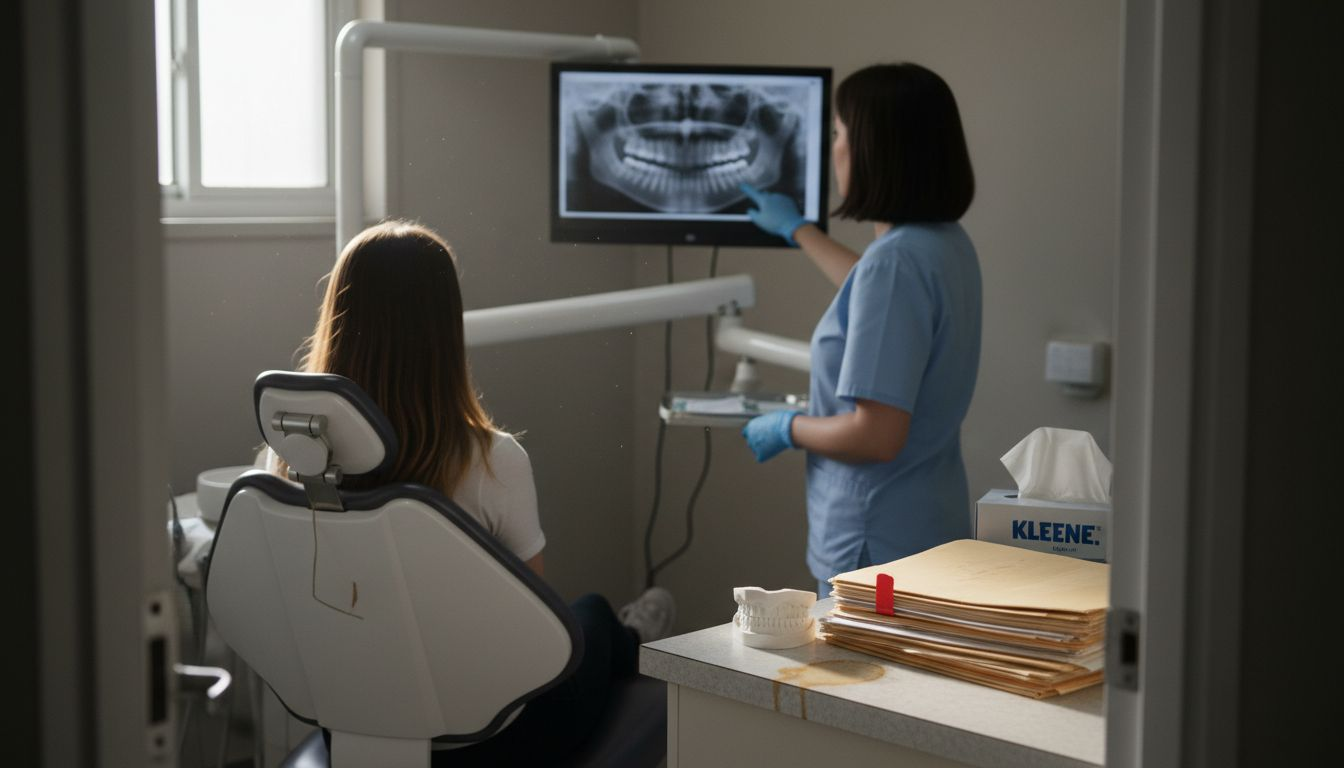
Initial consultation and imaging are essential first steps for implant candidacy evaluation. Your provider reviews medical history, examines oral health, and takes X-rays or CT scans. This visit determines whether you are a suitable candidate and identifies any preparatory needs.
2. Bone Density Evaluation
Bone grafting may be required if bone density is insufficient for implant placement. Adequate jawbone supports the implant fixture. If bone loss occurred from previous extractions or periodontal disease, grafting rebuilds bone volume. Grafting extends treatment timelines by several months for healing.
3. Surgical Implant Placement
Surgery involves placing a titanium implant fixture into your jawbone under local anesthesia. The fixture acts as an artificial tooth root. After placement, your jaw requires three to six months for osseointegration, where bone fuses to the implant.
4. Abutment Attachment
Once healing completes, your provider attaches an abutment to the implant fixture. The abutment connects the implant to the final crown. This minor procedure may require local anesthesia.
5. Crown Fabrication and Placement
Your provider takes impressions to custom-fabricate a crown matching your natural teeth. The crown attaches to the abutment, completing your implant restoration. This final step typically occurs two to four weeks after abutment placement.
| Procedure Step | Estimated Cost Range | Timeline |
|---|---|---|
| Consultation & Imaging | $100 - $300 | 1 visit |
| Bone Grafting (if needed) | $300 - $1,200 | 3-6 months healing |
| Implant Fixture Placement | $1,500 - $3,000 | 3-6 months healing |
| Abutment Attachment | $300 - $700 | 1 visit |
| Crown Fabrication & Placement | $1,000 - $3,000 | 2-4 weeks |
| Total Single Implant | $3,200 - $8,200 | 6-12 months |
Pro Tip: Budget for the entire process upfront. Many patients underestimate total costs by focusing only on implant placement. Grafting, abutments, and crowns significantly increase final expenses.
Follow your provider’s prepare for dental implants instructions carefully. Proper preparation improves surgical outcomes and reduces complication risks. Review the complete dental implant process guide for detailed procedural information.
Affordable Financing and Cost Considerations in Southern California
Dental implant costs in California run 20-30% higher than national averages due to elevated regional living costs and provider overhead. Understanding cost components and financing options makes implants accessible despite premium pricing.
Single implant total costs range from $3,200 to $8,200 depending on complexity. Full-mouth restorations requiring multiple implants can exceed $30,000. These figures include all procedural stages: consultation, imaging, possible grafting, implant placement, abutment, and crown.
Cost breakdown by component:
- Implant fixture: $1,500 - $3,000 per implant
- Abutment: $300 - $700 per implant
- Crown: $1,000 - $3,000 per tooth
- Bone grafting: $300 - $1,200 per graft site
- Consultation and imaging: $100 - $300
Payment plans and third-party financing through companies like CareCredit ease upfront burdens. Many providers offer in-house payment plans spreading costs over 12 to 24 months. Evaluate interest rates and terms carefully before committing.
Medi-Cal coverage, when approved, may cover surgical placement and medically necessary components but rarely covers cosmetic crowns. PPO plans typically cover 20-50% after deductibles with annual maximums between $1,000 and $2,000. You remain responsible for remaining balances.
Provider expertise impacts pricing. Board-certified specialists charge premium rates but deliver superior outcomes reducing long-term complication costs. Choosing the lowest-cost provider may increase revision and failure risks.
| Provider Type | Single Implant Cost | Experience Level | Insurance Acceptance |
|---|---|---|---|
| General Dentist | $3,200 - $5,500 | Moderate | Varies widely |
| Oral Surgeon | $4,500 - $7,000 | High | Most PPO, limited Medi-Cal |
| Prosthodontist | $5,000 - $8,200 | Highest | Most PPO, limited Medi-Cal |
Explore affordable dental financing options and dental financing options San Bernardino to identify payment solutions matching your budget. Transparent providers discuss all costs during consultations before treatment begins.
Patient Preparation, Aftercare, and Support Services
Proper preparation and post-operative care directly influence implant success rates. Good post-care and bilingual communication significantly reduce implant failure rates. Spanish-speaking patients benefit substantially from bilingual staff who explain complex instructions clearly.
Before your first appointment, gather all eligibility documents including Medi-Cal cards, PPO insurance information, identification, and prior dental records. Complete paperwork accurately to avoid authorization delays.
Communicate with bilingual staff to clarify every procedural step. Ask questions about anesthesia, healing timelines, dietary restrictions, and pain management. Never leave appointments with unresolved concerns.
After surgery, follow prescribed oral hygiene protocols strictly. Brush gently around surgical sites, rinse with prescribed mouthwash, and avoid disturbing healing areas. Dietary modifications include soft foods for initial weeks and avoiding hard, crunchy, or sticky items.
Attend all scheduled follow-up visits promptly. These appointments allow providers to monitor healing, detect complications early, and adjust treatment plans if needed. Missing follow-ups increases failure risks substantially.
Utilize Medi-Cal support services if needed. Some plans offer non-emergency medical transportation assistance for patients without reliable transportation to appointments. Contact your plan administrator to confirm availability.
Essential aftercare practices:
- Maintain gentle oral hygiene with soft-bristled brushes
- Take prescribed antibiotics and pain medications as directed
- Apply ice packs to reduce swelling during first 48 hours
- Avoid smoking, which dramatically increases implant failure rates
- Eat soft, nutritious foods during initial healing weeks
- Report unusual pain, swelling, or bleeding to your provider immediately
Pro Tip: Create a written aftercare checklist in Spanish with your provider during your final pre-surgery visit. Written instructions in your preferred language prevent misunderstandings about critical care steps.
Review dental implant patient preparation Spanish resources for comprehensive preparation guidance. Proper preparation and diligent aftercare maximize your investment in long-term oral health.
Summary Comparison Table and Situational Recommendations
Choosing between Medi-Cal and PPO coverage depends on individual circumstances. This comparison clarifies key differences to guide decision-making.
| Factor | Medi-Cal | PPO |
|---|---|---|
| Coverage Scope | Only exceptional medical necessity | Routine tooth replacement, varying coverage |
| Authorization Required | Mandatory prior authorization | Usually not required |
| Typical Coverage Percentage | 0-100% if approved (rare) | 20-50% after deductibles |
| Annual Maximums | N/A | $1,000 - $2,000 typically |
| 2026 Policy Changes | Restricted to emergencies July 2026 | No major changes anticipated |
| Eligibility Criteria | Income-based Medi-Cal enrollment | Premium payment |
| Best For | Patients with documented medical necessity | Patients seeking routine implants with partial coverage |
Situational provider recommendations:
Emergency trauma cases: Seek oral surgeons accepting Medi-Cal who can document medical necessity for expedited authorization. Trauma-related implants have higher approval rates than routine replacements.
Routine single-tooth replacement: PPO coverage with experienced general dentists or prosthodontists offers predictable partial reimbursement. Expect to pay 50-80% out-of-pocket after insurance.
Complex full-mouth restoration: Consult prosthodontists specializing in full-arch implants. These cases require advanced planning and often exceed annual PPO maximums, necessitating multi-year treatment phasing or significant self-pay.
Limited budget patients: Explore top Medi-Cal implant services and inquire about sliding-scale fees, payment plans, or dental school clinics offering reduced-cost care with student providers under expert supervision.
Bone grafting needs: Select providers experienced in grafting procedures who can accurately estimate total costs upfront. Unexpected grafting requirements derail budgets when not planned initially.
Your individual clinical needs, insurance status, and budget determine the optimal path forward. Consult multiple providers to compare treatment plans, cost estimates, and financing options before committing.
Discover Expert Dental Implant Care at Monteluz Specialty
Navigating dental implant insurance, costs, and procedures feels overwhelming. Monteluz Specialty simplifies this journey with comprehensive support tailored to Southern California’s Spanish-speaking community.
Monteluz Specialty accepts Medi-Cal and PPO insurance plans, removing common access barriers. Our bilingual Spanish-English staff communicate clearly throughout treatment, ensuring you understand every procedure step and aftercare instruction. Transparent pricing and flexible financing make Dental Implants Missing Teeth Tooth Replacement affordable without sacrificing quality.
Our experienced specialists guide you through insurance and financing options, helping maximize benefits and minimize out-of-pocket expenses. We offer affordable care options at Monteluz including payment plans and membership programs starting at $20 monthly for uninsured patients.
Schedule your consultation today to discuss your implant candidacy, insurance coverage, and personalized treatment plan. Our team answers questions in Spanish, provides written cost estimates upfront, and supports you from initial consultation through final crown placement and beyond.
Frequently Asked Questions About Dental Implants and Insurance
How long does Medi-Cal implant authorization typically take?
Medi-Cal prior authorization for dental implants usually takes four to eight weeks after submitting complete documentation. Complex cases requiring additional medical records or specialist consultations may extend timelines to three months. Incomplete applications face delays or denials.
How does PPO implant coverage differ from Medi-Cal?
PPO plans typically cover 20-50% of implant costs without requiring medical necessity proof, while Medi-Cal covers implants only for exceptional medical necessity with mandatory prior authorization. PPO plans impose annual maximums and waiting periods but offer more predictable partial reimbursement for routine tooth replacement.
What should I ask providers about bilingual support?
Ask whether clinical staff, not just front desk personnel, speak Spanish fluently. Confirm that post-operative instructions and consent forms are available in Spanish. Request that your provider or a bilingual staff member explains technical terms and aftercare protocols in Spanish during consultations.
What are basic dental implant aftercare essentials?
Maintain gentle oral hygiene with soft brushes, take prescribed medications as directed, eat soft foods during initial healing, avoid smoking completely, and attend all follow-up appointments. Report unusual pain, swelling, or bleeding immediately. Proper aftercare reduces failure rates significantly.
What additional costs should I anticipate beyond initial surgery?
Budget for consultation fees, imaging, possible bone grafting, abutment placement, crown fabrication, and follow-up visits. Unexpected costs include grafting for insufficient bone density, treatment for complications like infections, and crown replacements if damage occurs years later. Comprehensive cost estimates prevent surprises.
Can I use Medi-Cal for emergency implant needs?
Under 2026 policy changes effective July 1, emergency dental services remain covered for adult Medi-Cal patients. However, routine implants rarely qualify as emergencies unless related to acute trauma or severe infection. Emergency tooth extractions are covered, but subsequent implant placement requires separate authorization proving medical necessity.
Recommended
- Cost Factors of Dental Implants: What Affects Pricing
- Dental Implant Terminology Explained: Key Facts
- Top 6 Best Dental Implant Options in 2026 for Affordable Care
- Role of Insurance in Dental Implants Access
- Kaj je zobna implantologija in njen vpliv na kakovost življenja