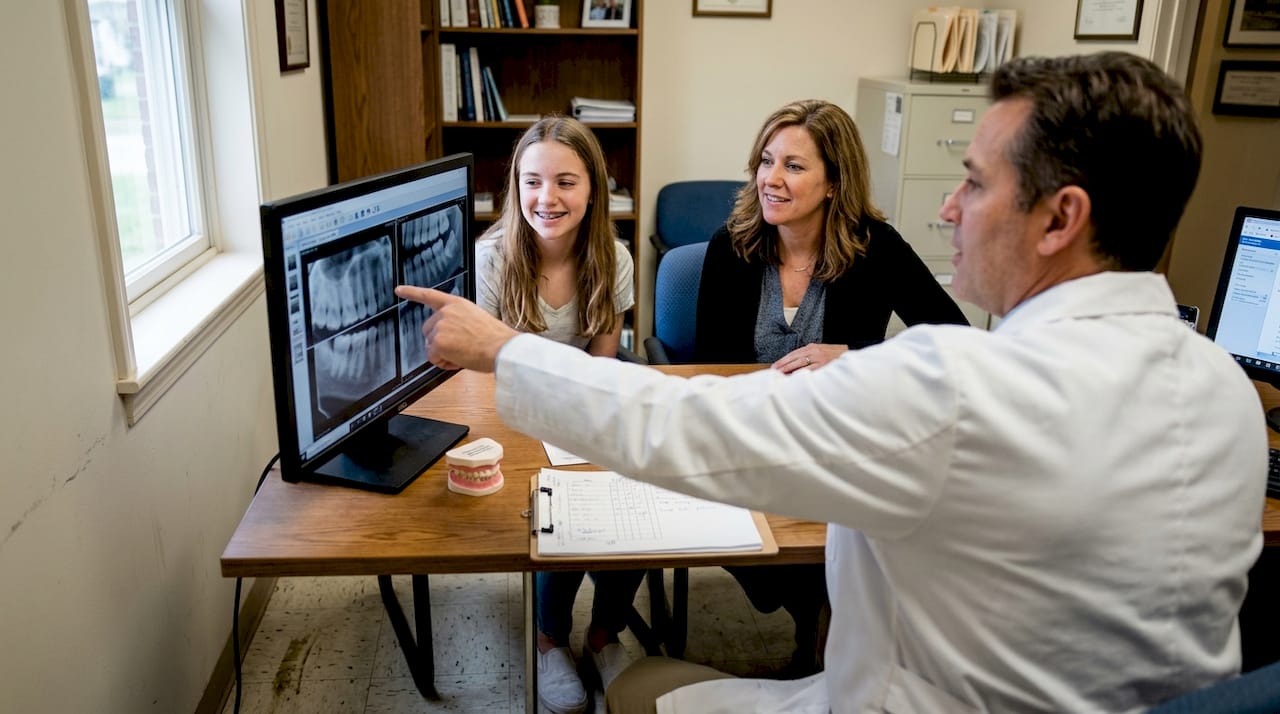
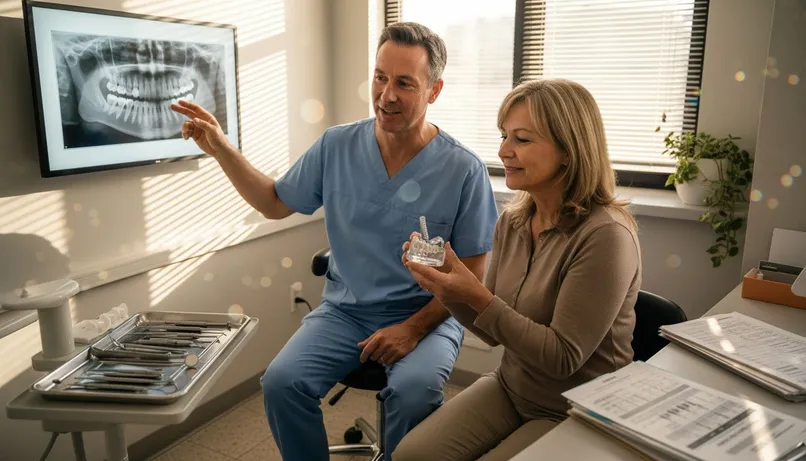
Missing teeth can make daily life challenging, from eating your favorite foods to feeling confident when you smile. For many families in San Bernardino searching for a reliable solution, dental implants offer a pathway to restore both comfort and appearance. Whether you’re exploring Denti-Cal coverage or need budget-friendly membership options, understanding the essential steps for a successful implant experience will empower you to make the best decision for your oral health.
Table of Contents
- Step 1: Assess Candidacy for Dental Implants
- Step 2: Prepare for the Implant Procedure
- Step 3: Undergo the Implant Placement Surgery
- Step 4: Manage Healing and Recovery Effectively
- Step 5: Verify Final Results with Your Dentist
Quick Summary
| Key Point | Explanation |
|---|---|
| 1. Assess Your Candidacy | Determine if you qualify for implants based on oral health and medical history. |
| 2. Prepare for Success | Follow diagnostic steps and ensure your home is ready for recovery prior to surgery. |
| 3. Focus on Healing | Post-surgery, concentrate on strict hygiene and dietary choices to aid recovery. |
| 4. Verify Implant Quality | Attend follow-up appointments for comprehensive evaluations of implant success. |
| 5. Maintain Ongoing Care | Regular check-ups are essential to monitor the health and longevity of your implant. |
Step 1: Assess Candidacy for Dental Implants
Determining whether you are a suitable candidate for dental implants involves a comprehensive evaluation of your oral health and medical history. Not everyone qualifies for this advanced tooth replacement solution, so understanding the key factors is crucial for successful treatment.
The ideal dental implant candidate typically exhibits several important characteristics. You might be a strong candidate if you:
- Have one or more missing teeth
- Possess adequate jawbone density to support the implant
- Maintain good overall oral hygiene
- Have healthy gum tissue without significant periodontal disease
- Are a non-smoker or willing to quit during the healing process
- Do not have uncontrolled medical conditions like diabetes
Oral health professionals will conduct a thorough examination to assess your implant candidacy through comprehensive evaluation. This assessment includes detailed imaging studies like digital x-rays and 3D scans to examine bone structure, density, and potential anatomical limitations.
Dental implants require a personalized approach - what works for one patient may not be suitable for another.
Medical considerations play a significant role in determining implant eligibility. Certain health conditions can impact healing and implant success. Patients with chronic diseases like unmanaged diabetes, autoimmune disorders, or those undergoing radiation therapy might require additional medical clearance or alternative treatment strategies.
Here’s how medical and lifestyle factors impact dental implant success:
| Factor | How It Influences Success | Typical Recommendation |
|---|---|---|
| Diabetes | Slows healing, increases risk | Monitor condition closely |
| Smoking | Impairs bone integration | Stop before and after surgery |
| Jawbone Density | Affects implant stability | Consider bone graft if needed |
| Oral Hygiene | Prevents infection | Maintain daily care routine |
| Gum Health | Supports implant longevity | Treat periodontal issues |
Pro tip: Schedule a comprehensive consultation to receive a personalized assessment of your specific dental implant potential and explore tailored treatment options.
Step 2: Prepare for the Implant Procedure
Preparing for dental implants requires careful planning and comprehensive evaluation to ensure a successful outcome. Your dental team will guide you through a detailed preparation process designed to optimize your surgical experience and long-term results.
To prepare effectively, you will need to complete several critical steps:
- Schedule advanced diagnostic imaging like comprehensive radiographic evaluations
- Review and potentially modify current medications with your healthcare provider
- Arrange transportation for the day of your surgical procedure
- Prepare your home environment for post-surgical recovery
- Complete recommended health screenings and medical clearances
Medical preparation involves a thorough health assessment. Your dentist will conduct a comprehensive review of your medical history, focusing on conditions that might impact healing. Patients with diabetes, autoimmune disorders, or those taking specific medications may require additional medical consultations to ensure surgical safety.
Successful dental implant preparation is a collaborative process between you and your dental professionals.
Nutritional and lifestyle considerations are equally important. Smoking cessation, maintaining good oral hygiene, and following a balanced diet can significantly improve your implant procedure’s success rate. Your dental team might recommend specific dietary modifications or supplements to support optimal healing and bone integration.
Pro tip: Create a detailed recovery plan before your procedure, including meal preparations, comfortable recovery space setup, and arranging necessary support from family or friends.
Step 3: Undergo the Implant Placement Surgery
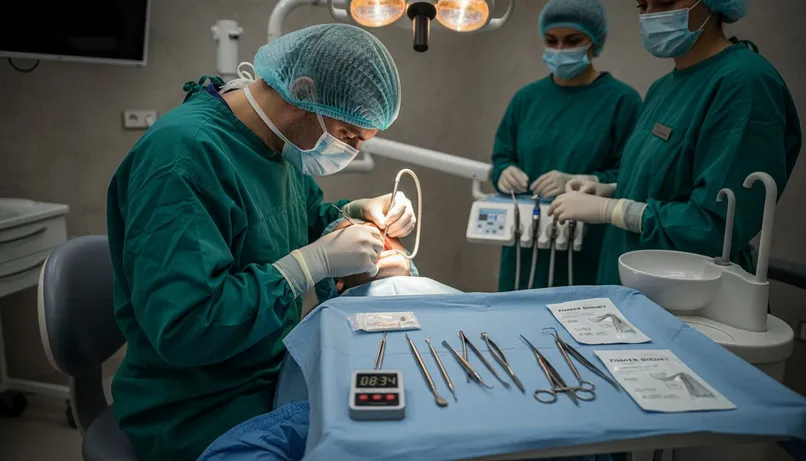
The dental implant placement surgery represents a pivotal moment in your tooth replacement journey. This precise surgical procedure will transform your oral health by strategically positioning a permanent titanium foundation for your new tooth.
Your surgical experience will typically involve these critical components:
- Receive local anesthesia or sedation for comfort
- Experience precise surgical placement techniques
- Have a titanium implant carefully inserted into your jawbone
- Allow for initial soft tissue healing
- Undergo immediate post-surgical monitoring
Surgical preparation is comprehensive and tailored to your specific anatomical needs. Your oral surgeon will carefully evaluate your jawbone density and potential need for additional procedures like bone grafting. Some patients might require supplemental treatments such as sinus lifts to ensure optimal implant stability.
Dental implant surgery is a delicate balance of surgical precision and personalized patient care.
The actual implantation process is meticulously controlled to minimize discomfort and maximize successful outcomes. The titanium post is precisely positioned to integrate with your natural bone structure, creating a stable foundation for your future dental restoration. Depending on your specific case, the entire surgical procedure might take between 1-2 hours.
Pro tip: Arrange for someone to drive you home after surgery and prepare soft, nutritious foods that require minimal chewing to support your initial recovery period.
Step 4: Manage Healing and Recovery Effectively
After your dental implant surgery, the healing and recovery phase becomes crucial for long-term success. Your body will need time and careful attention to integrate the new titanium implant and restore optimal oral health.
During the initial recovery period, focus on these essential healing strategies:
- Follow strict post-surgical monitoring guidelines
- Maintain meticulous oral hygiene
- Manage potential discomfort with prescribed pain management
- Avoid activities that could disrupt healing
- Watch for signs of potential complications
Healing management requires a proactive approach. Expect some initial swelling and mild discomfort, which typically subsides within the first week. Your oral surgeon will provide specific instructions tailored to your individual case, including recommendations for diet, medication, and wound care.
Recovery is a personal journey that demands patience and careful attention to your body’s healing signals.
Nutritional support plays a critical role in your recovery. Focus on soft, nutritious foods that do not require extensive chewing. Staying hydrated and avoiding smoking or alcohol will significantly enhance your healing process. Most patients can return to normal activities within a few days, though complete bone integration may take several months.
Pro tip: Create a comfortable recovery space at home with everything you might need within easy reach, including prescribed medications, soft foods, ice packs, and entertainment to help you rest and heal comfortably.
Step 5: Verify Final Results with Your Dentist
The final stage of your dental implant journey involves a comprehensive verification process to ensure your new tooth meets the highest standards of functionality and aesthetic excellence. This critical appointment allows you and your dentist to confirm the successful integration and performance of your dental implant.
During your verification appointment, expect the following detailed assessments:
- Comprehensive clinical evaluation
- Advanced imaging review
- Functional testing of implant stability
- Soft tissue health examination
- Prosthetic fit and comfort assessment
Professional verification involves multiple precise examinations. Your dentist will conduct a thorough inspection using digital imaging technologies like panoramic X-rays or CBCT scans to confirm complete bone integration and implant placement accuracy. They will carefully assess the implant’s stability, surrounding gum health, and the prosthetic’s overall fit and function.
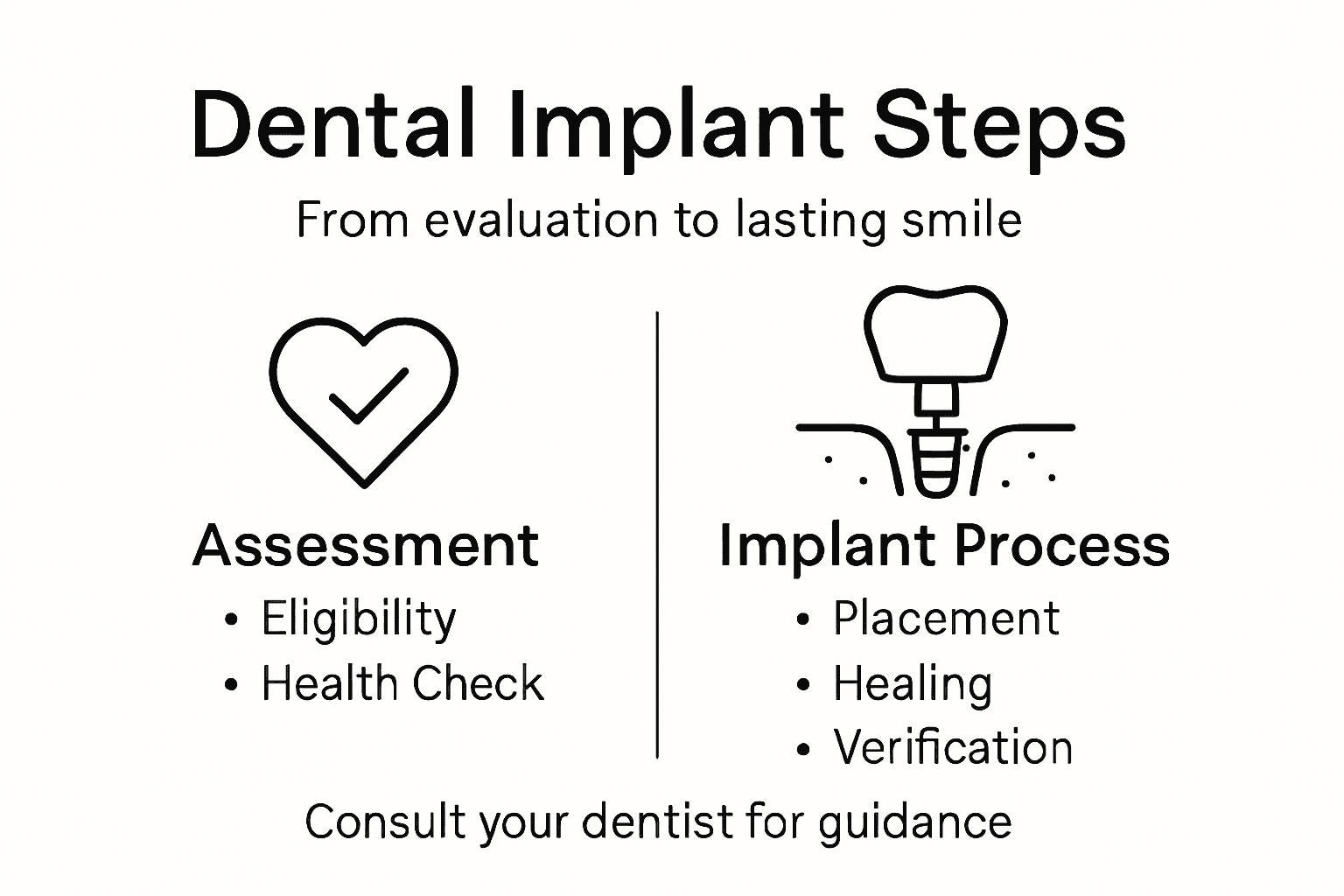
Here’s a summary of key verification steps at your final dental implant appointment:
| Step | Purpose | Outcome |
|---|---|---|
| Imaging Review | Confirm implant placement | Ensures positional accuracy |
| Stability Testing | Assess implant integration | Determines functional success |
| Gum Health Examination | Evaluate tissue condition | Detects inflammation |
| Prosthetic Fit Check | Confirm comfort & function | Ensures proper bite |
Your dental implant’s long-term success depends on meticulous professional verification and ongoing maintenance.
Beyond the initial assessment, your dentist will provide guidance on maintaining your new dental implant. This includes recommendations for oral hygiene practices, periodic professional cleanings, and follow-up schedules to monitor the implant’s ongoing health. Regular check-ups will help detect and address any potential issues early, ensuring the longevity of your dental restoration.
Pro tip: Schedule your follow-up appointments in advance and maintain a detailed record of your dental implant journey to track its progress and health over time.
Take the Next Step Toward Your Lasting Smile with Monteluz Dental Specialty Group
Dental implants offer a powerful solution for those facing missing teeth and the challenges of bone density, gum health, and healing described in the Dental Health. If you are ready to transform your smile and regain confidence through expert implant placement, recovery management, and professional follow-up, Monteluz Dental Specialty Group in San Bernardino is here to guide you every step of the way.
Our bilingual team provides compassionate, advanced care tailored to your unique needs, ensuring accessibility through insurance options and affordable membership plans. Do not wait to improve your oral health and quality of life. Visit Monteluz Dental Specialty Group today to schedule your personalized consultation and begin your dental implant journey with trusted specialists dedicated to your lasting smile.
Frequently Asked Questions
What are the requirements to be a candidate for dental implants?
A suitable candidate for dental implants typically has one or more missing teeth, adequate jawbone density, and good oral hygiene. To assess your candidacy, schedule a consultation with a dental professional who will evaluate your oral health and medical history.
How should I prepare for the dental implant procedure?
Preparing for dental implants involves scheduling diagnostic imaging, reviewing medications, and arranging transportation for the surgery. Ensure you gather all necessary health information and create a comfortable recovery space at home to facilitate your healing process.
What can I expect during the dental implant placement surgery?
During the dental implant placement surgery, you will receive anesthesia or sedation for comfort, and the surgeon will insert a titanium post into your jawbone. Expect the procedure to take 1-2 hours, and arrange for someone to drive you home afterward.
How can I manage healing and recovery after dental implant surgery?
To manage healing effectively, follow post-surgical guidelines, maintain oral hygiene, and avoid activities that could disrupt healing. Focus on a diet of soft, nutritious foods, and monitor for any signs of complications over the recovery period.
What happens during the final verification appointment for my dental implant?
During the final verification appointment, your dentist will conduct a comprehensive evaluation that includes stability testing and imaging review. Prepare to discuss any concerns and receive guidance on ongoing maintenance to ensure the long-term health of your dental implant.
How often should I schedule follow-up appointments for my dental implants?
Follow-up appointments for your dental implants should be scheduled according to your dentist’s recommendations, typically every 6-12 months. Regular visits help monitor the implant’s health and ensure any potential issues are addressed promptly.
Recommended
- Dental Implants Missing Teeth Tooth Replacement
- Dental Implant Procedure: Transforming Smiles in San Bernardino
- The Life-Changing Benefits of Dental Implants: Restore Your Smile
- How to Prepare for Dental Implants for Success