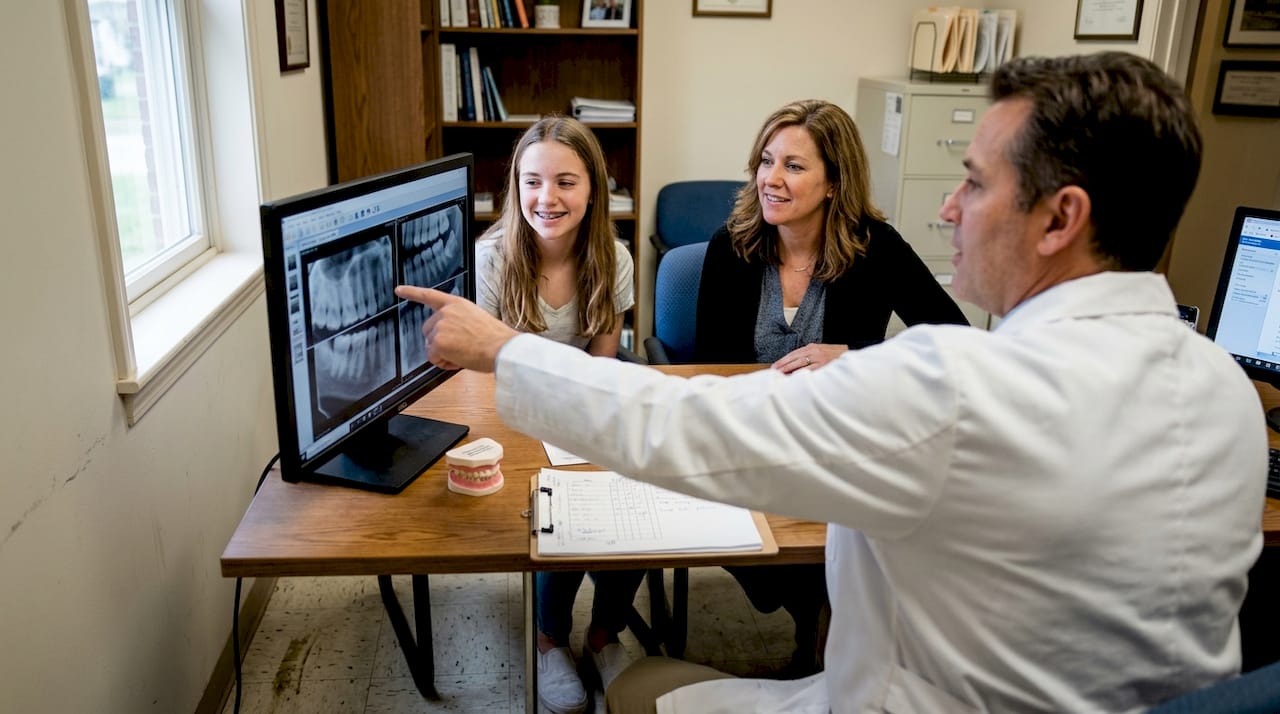

Missing teeth can make everyday life challenging for anyone, especially for families in San Bernardino striving to balance health needs and budget. Access to dental implantology offers a chance to restore smiles and confidence with solutions that can last for years. Whether you want to understand advanced options or find an affordable path to a healthy bite, learning how dental implants work and what steps are involved helps you make the right choice for your family’s future.
Table of Contents
- What Is Dental Implantology? Key Concepts
- Types of Dental Implants and Techniques
- Step-By-Step Dental Implant Procedure
- Candidacy and Qualification Requirements
- Risks, Costs, and Affordable Care Options
Key Takeaways
| Point | Details |
|---|---|
| Understanding Dental Implantology | Dental implantology focuses on permanently replacing missing teeth with titanium posts that function as tooth anchors. The process restores both functionality and aesthetics for patients. |
| Types and Selection of Implants | Various dental implant types, such as Endosteal and Mini Implants, cater to different patient needs and bone structures. Choosing the right type requires careful evaluation and planning. |
| Procedure Steps | The dental implant process includes stages like assessment, surgical placement, and prosthetic restoration. Each step is crucial for ensuring optimal outcomes and patient satisfaction. |
| Risks and Financial Considerations | Potential risks include surgical complications and implant failure, while costs range widely. Patients should explore insurance options and financing plans to manage expenses effectively. |
What Is Dental Implantology? Key Concepts
Dental implantology represents a revolutionary approach to replacing missing teeth, offering patients a permanent solution that closely mimics natural dental structures. At its core, dental implantology is a specialized field of dental medicine focused on surgically replacing tooth roots with titanium posts that serve as artificial tooth anchors.
The process involves several critical components and stages, designed to restore both functional and aesthetic aspects of a patient’s smile. Medical devices surgically implanted into the jaw create a stable foundation for replacement teeth, allowing patients to regain full chewing capabilities and confidence.
Key aspects of dental implantology include:
- Surgical precision in placing titanium implant bodies
- Complete replacement of missing tooth roots
- Restoration of natural bite and chewing patterns
- Prevention of bone loss and structural jaw changes
- Long-term solution for tooth replacement
The comprehensive procedure requires expert multidisciplinary care, often involving multiple stages such as initial evaluation, surgical placement, and restorative treatment. Comprehensive dental implant treatments can address various scenarios, from single tooth replacement to full arch reconstruction.
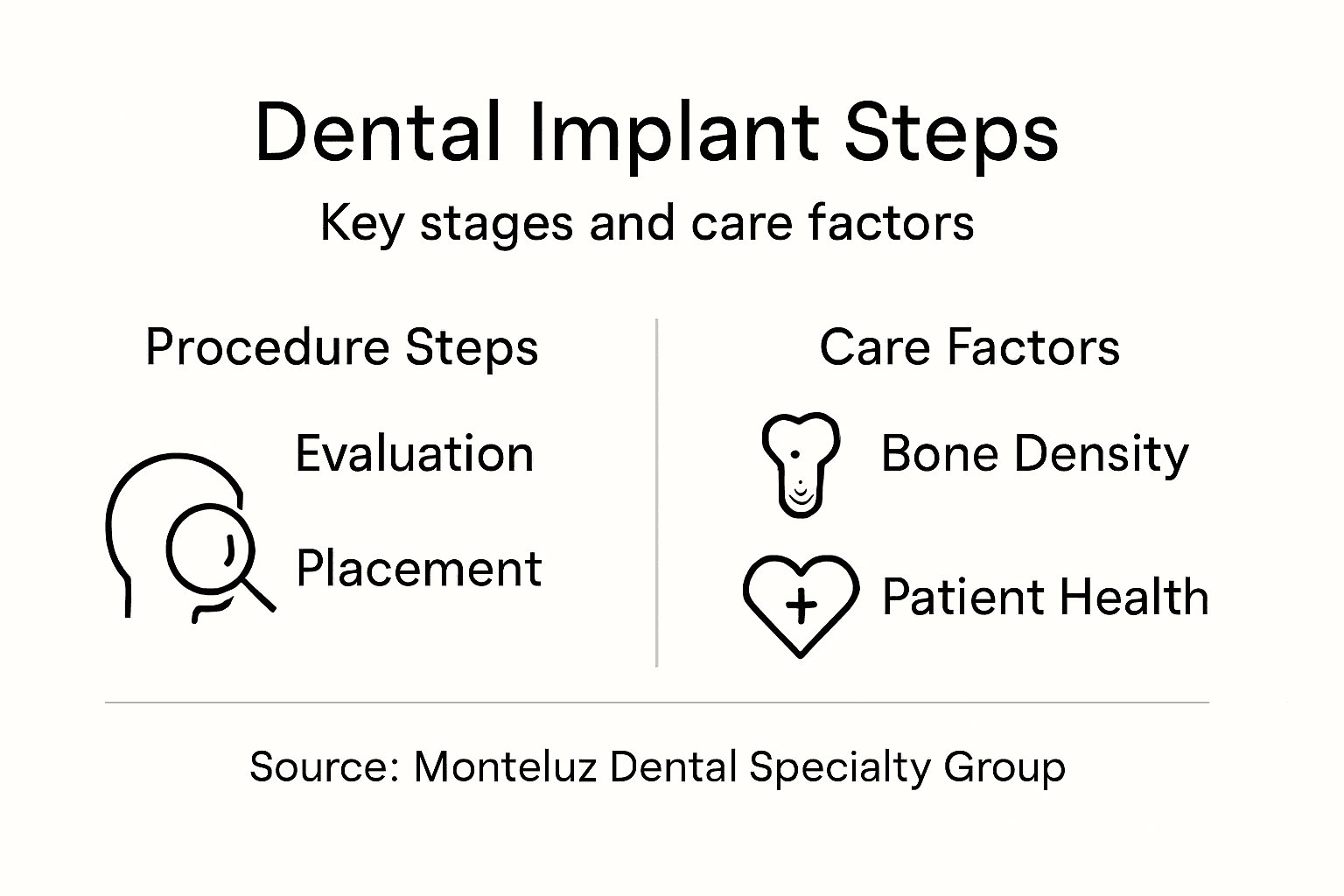
Implant success depends on several critical factors, including patient health, bone density, and the expertise of the dental professionals performing the procedure. The healing process, known as osseointegration, allows the implant to fuse directly with the jawbone, creating an incredibly stable and long-lasting tooth replacement solution.
Pro tip: Schedule a comprehensive dental evaluation to determine your candidacy for dental implants and understand the personalized treatment approach that best suits your oral health needs.
Types of Dental Implants and Techniques
Dental implant technologies have evolved significantly, offering multiple options for patients seeking comprehensive tooth replacement solutions. Dental implants interface with jawbone through sophisticated biomechanical processes, providing patients with durable and natural-looking tooth restoration alternatives.
The primary types of dental implants include:
- Endosteal Implants: Traditional titanium posts surgically placed directly into the jawbone
- Subperiosteal Implants: Custom-designed implants positioned on top of the bone but underneath the gum tissue
- Zygomatic Implants: Complex implants anchored in the cheekbone for patients with significant bone loss
- All-on-4 Implants: Comprehensive technique using four strategically placed implants to support full arch replacement
- Mini Implants: Smaller diameter implants ideal for patients with limited bone density
Successful implant placement requires careful evaluation of several critical factors, including bone quality, overall oral health, and specific patient anatomical considerations. The selection process involves comprehensive imaging, precise surgical planning, and a thorough understanding of the patient’s unique dental structure.
Here’s a comparison of the main types of dental implants and their typical uses:
| Implant Type | Placement Location | Common Patient Scenario |
|---|---|---|
| Endosteal | Within jawbone | Most patients with healthy bone |
| Subperiosteal | Above jawbone under gums | Thin bone, cannot withstand posts |
| Zygomatic | Anchored in cheekbone | Severe bone loss in upper jaw |
| All-on-4 | Four posts in jawbone | Full arch replacement, fewer implants |
| Mini Implant | Within jawbone (small diameter) | Limited bone, minimal space target |
Modern implant techniques utilize advanced biocompatible materials like titanium and zirconia, which offer exceptional strength and integration with human biological systems. These materials are carefully selected to minimize rejection risks and promote long-term stability, ensuring that dental implants can function similarly to natural tooth roots.
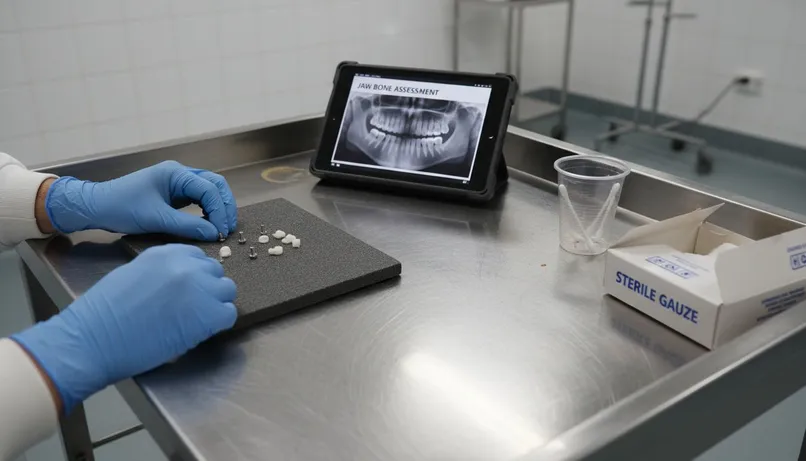
Pro tip: Consult with a dental specialist who can perform a comprehensive 3D scan and personalized assessment to determine the most appropriate implant technique for your specific oral health needs.
Step-By-Step Dental Implant Procedure
Dental implant surgery involves precisely replacing missing tooth roots through a carefully structured medical procedure that transforms patients’ oral functionality and aesthetic appearance. This comprehensive treatment requires multiple stages of evaluation, surgical intervention, and healing to ensure optimal outcomes.
The dental implant procedure typically follows these key stages:
- Initial Consultation and Assessment
- Comprehensive oral health examination
- Digital imaging and 3D scans
- Evaluation of bone density and jaw structure
- Treatment Planning
- Personalized implant strategy development
- Discussion of potential bone grafting requirements
- Surgical Intervention
- Local anesthesia administration
- Precise surgical placement of titanium implant post
- Minimal invasive techniques
- Healing and Osseointegration
- Bone tissue integration period (2-4 months)
- Monitoring implant stability
- Prosthetic Restoration
- Abutment attachment
- Custom crown placement
- Final aesthetic and functional adjustment
Bone grafting may be necessary for patients with insufficient jawbone density, creating a solid foundation for implant success. This preparatory step ensures that the implant has adequate structural support and long-term stability.
Modern implant techniques emphasize patient comfort and precision. Surgical procedures typically require about one hour and are designed to be less invasive than traditional tooth replacement methods, minimizing patient discomfort and recovery time.
Pro tip: Maintain open communication with your dental specialist throughout the implant process, asking detailed questions about each stage and potential personalized modifications to your treatment plan.
Candidacy and Qualification Requirements
Good overall health is critical for dental implant candidacy, determining the potential for successful tooth replacement and long-term oral functionality. Not every patient is an ideal candidate for dental implants, making a comprehensive evaluation essential for determining individual suitability.
Key qualification requirements include:
- Bone Density: Sufficient jawbone volume or potential for bone grafting
- Oral Health: Healthy gum tissues free from active periodontal disease
- General Health: Ability to heal and undergo surgical procedures
- Lifestyle Factors: Non-smokers or patients willing to quit smoking
- Commitment: Willingness to maintain excellent oral hygiene
Medical Conditions that might impact dental implant eligibility require careful assessment. Patients with chronic conditions like diabetes, autoimmune disorders, or those undergoing certain medications may need specialized evaluation to determine implant feasibility.
Specialized dental providers thoroughly assess patient qualifications through comprehensive diagnostic procedures. This typically involves advanced imaging techniques, complete medical history review, and personalized treatment planning to ensure optimal outcomes and patient safety.
Pro tip: Schedule a detailed consultation with a dental specialist who can perform a comprehensive assessment of your specific oral health conditions and potential implant candidacy.
Risks, Costs, and Affordable Care Options
Dental implants require significant financial and medical considerations, representing a complex treatment option that demands careful evaluation of potential risks and investment. Patients must understand the comprehensive landscape of potential outcomes, financial implications, and long-term health impacts before proceeding.
Potential risks associated with dental implant procedures include:
- Surgical Complications: Infection, bleeding, or nerve damage
- Implant Failure: Potential rejection or improper bone integration
- Medical Interactions: Complications with existing health conditions
- Healing Challenges: Extended recovery periods
- Aesthetic Uncertainties: Potential cosmetic imperfections
Cost considerations vary widely, with single implant procedures ranging between $1,500 and $6,000, depending on individual patient requirements. Comprehensive treatment plans might include additional procedures like bone grafting, which can significantly impact overall expenses.
Affordable care options can help mitigate financial barriers, including dental insurance coverage, flexible payment plans, and specialized financing programs designed to make dental implants more accessible. Many dental practices offer sliding scale fees, monthly payment arrangements, and bundled treatment packages to help patients manage costs effectively.
Below is a summary of cost factors and affordability options for dental implants:
| Factor | Impact on Cost | Available Patient Option |
|---|---|---|
| Number of Implants | More increases total | Consider single implant restoration |
| Bone Grafting Needed | Raises overall expense | Seek bundled treatment quote |
| Insurance Coverage | May reduce costs | Check dental insurance policy |
| Financing Plans | Spreads payments | Ask about in-house or third-party plans |
| Complexity of Case | Adds specialist fees | Compare providers for best rates |
Pro tip: Request a detailed, itemized treatment estimate and explore multiple financing options before committing to dental implant surgery to ensure financial preparedness and minimize unexpected expenses.
Discover Lasting Smile Solutions with Monteluz Dental Specialty Group
If you are facing challenges with missing teeth or seeking a reliable, long-term dental implant solution in San Bernardino, you are not alone. Dental implantology offers a precise and permanent way to restore your smile and chewing function, but understanding the options and procedure can feel overwhelming. At Monteluz Dental Specialty Group, we specialize in advanced dental implant treatments tailored to your unique oral health needs. You can explore in-depth insights and patient stories on our Dental Health page.

Take control of your dental health today by connecting with a trusted local team that values patient comfort, affordability, and bilingual support. Our expert providers use the latest implant technology to give you back the confidence of a natural smile. Visit Monteluz Dental Specialty Group now to schedule your personalized consultation. Don’t wait to experience the transformative power of dental implants crafted just for you.
Frequently Asked Questions
What is dental implantology?
Dental implantology is a specialized field that involves surgically replacing missing teeth by installing titanium posts into the jawbone, which serve as artificial tooth roots.
How long does the dental implant procedure take?
The dental implant procedure typically involves multiple stages and can take several months, including initial consultation, surgery for implant placement, and healing time for osseointegration before placing the final restoration.
What are the risks associated with dental implants?
Potential risks of dental implants include surgical complications like infection or nerve damage, implant failure due to poor integration with the bone, and aesthetic uncertainties.
How can I determine if I am a candidate for dental implants?
Eligibility for dental implants is determined by evaluating bone density, oral health, general health, lifestyle factors like smoking, and the commitment to maintaining good oral hygiene.
Recommended
- Dental Implants: Transforming Oral Health in San Bernardino
- Dental Implant Procedure: Transforming Smiles in San Bernardino
- Why Choose Dental Implants in San Bernardino
- Rol de los implantes dentales en familias de San Bernardino