Losing teeth changes far more than a smile — it affects how you eat, speak, and feel about yourself. If you're researching tooth replacement in San Bernardino, the choice almost always comes down to two options: dental implants or dentures. Both restore function and appearance, but they differ dramatically in longevity, cost over time, and how they fit into daily life. As a specialty practice, Monteluz Dental Specialty Group helps patients weigh these trade-offs with the depth a general dentist often can't.
The short answer
Dental implants are a permanent, bone-anchored replacement that looks and functions like a natural tooth. Dentures are removable appliances that rest on the gums. Implants cost more upfront but typically last decades; dentures cost less initially but need adjustment or replacement every 5–8 years. For most healthy adults, implants deliver the better long-term value — but the right choice depends on your bone health, budget, and lifestyle.
Longevity: which lasts longer?
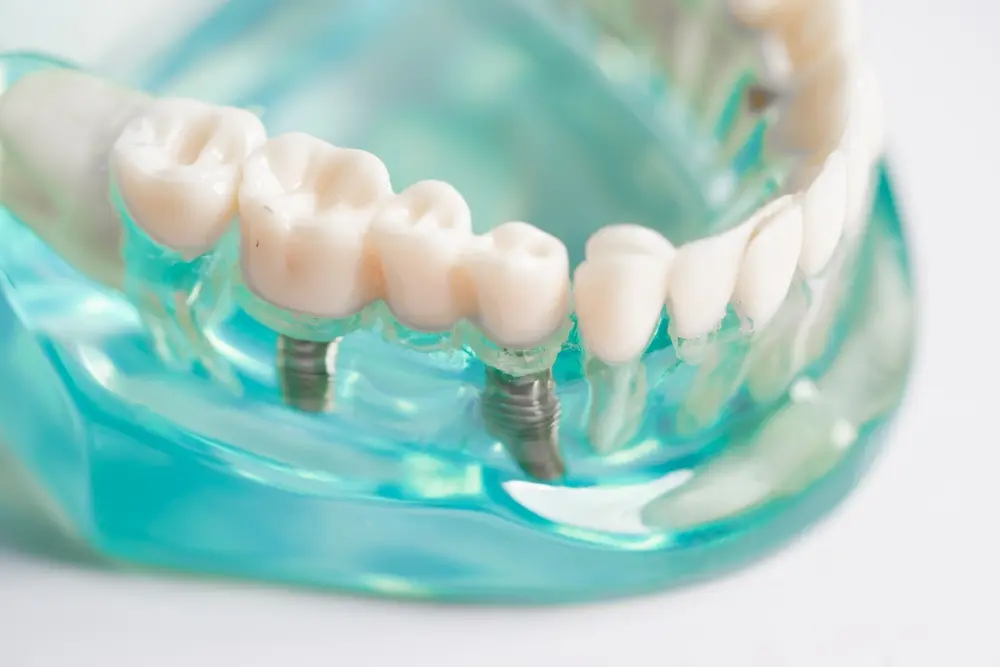
Dental implants are titanium posts surgically placed into the jawbone, where they fuse with the bone in a process called osseointegration. Once healed, a properly cared-for implant can last 25 years or more — often a lifetime. Because the implant stimulates the jawbone the way a natural root does, it also prevents the bone loss that follows tooth extraction.
Dentures sit on top of the gums and don't stimulate the bone. Over time, the jaw shrinks, which is why dentures loosen and need relining or remaking every five to eight years. Many patients find they require adhesives and periodic professional adjustments to keep a comfortable fit.
Cost: upfront vs. lifetime
A single dental implant costs more than a comparable section of denture at the outset. But the comparison changes when you look at the full timeline:
- Implants are a one-time investment that rarely needs replacement, with minimal ongoing cost beyond normal hygiene.
- Dentures carry recurring costs — relines, repairs, adhesives, and full replacements every several years — that add up over a lifetime.
For many San Bernardino patients, implants prove comparable or even more economical across 15–20 years. We provide a clear, written estimate before any treatment so you can compare real numbers, not averages.
Lifestyle impact: eating, speaking, confidence
This is where many patients feel the biggest difference. Implants are fixed in place, so you can bite into an apple, enjoy steak, and speak without worrying about slipping. They're cleaned just like natural teeth — brush and floss, no removal required.
Dentures restore a confident smile and are a proven, affordable solution, but they can move while eating tougher foods, may affect certain sounds while you adjust, and need to be removed for cleaning. Modern implant-supported dentures bridge the gap — combining the stability of implants with the coverage of a full denture.
Why specialty care makes the difference
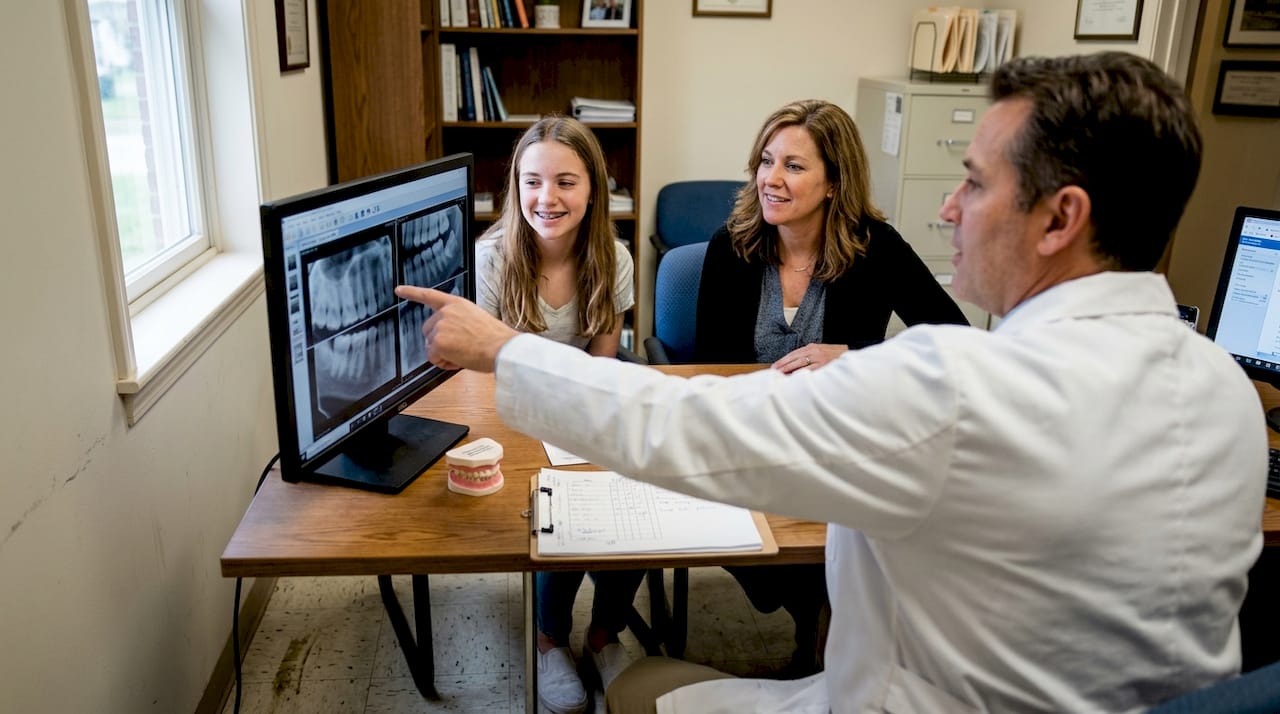
General dentists across the Inland Empire offer tooth replacement, but complex cases — bone loss, failed extractions, full-arch restoration — benefit from a specialist's training. At Monteluz, oral surgeons and periodontists place implants using 3D cone-beam imaging and guided surgery for precise, predictable results, and our team coordinates the surgical and restorative phases under one roof. That means fewer referrals, faster timelines, and a plan built around your specific anatomy.
Which is right for you?
- Choose implants if you want the longest-lasting, most natural-feeling solution and have adequate bone (or are open to bone grafting).
- Choose dentures if you need an affordable, non-surgical option, or as a stepping stone toward implant-supported restoration later.
- Consider implant-supported dentures if you want denture coverage with implant stability.
The best way to decide is a consultation with a specialist who can evaluate your bone, gums, and goals. If you're exploring tooth replacement in San Bernardino, request a consultation at Monteluz Dental Specialty Group — we'll give you an honest comparison and a realistic estimate before any work begins.