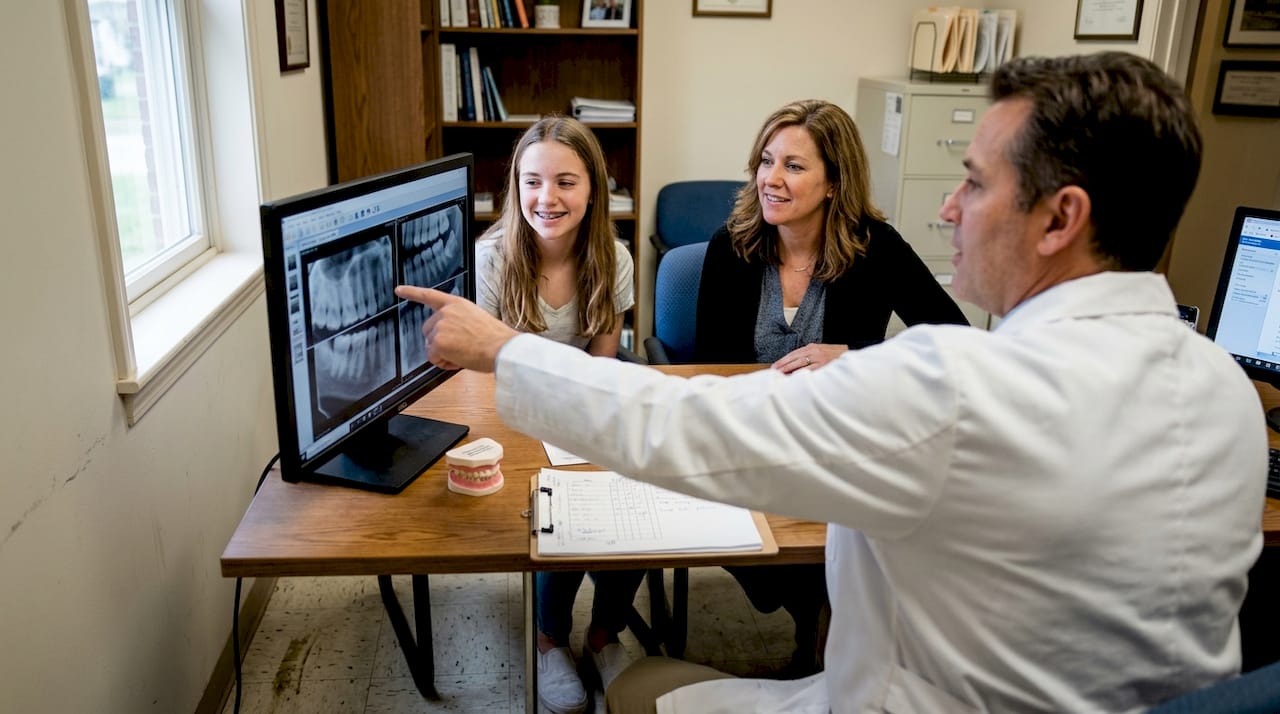
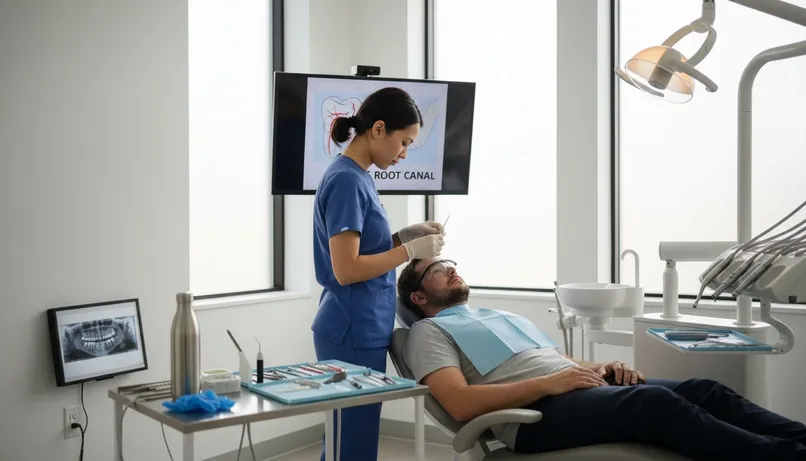
Worried that root canal therapy means unbearable pain? That’s a common misconception. Modern endodontic care is comfortable, precise, and designed to save your natural teeth. Endodontists are dental specialists with advanced training who focus on treating tooth pulp and root issues, making them experts in preserving smiles when general dentistry isn’t enough. If you’re facing tooth pain or infection in Southern California, understanding what endodontists do and how they help can transform your dental health journey.
Table of Contents
- When And Why You Need To See An Endodontist
- Deep Dive Into Root Canal Treatment
- Advanced Endodontic Procedures And Complex Case Management
- Common Misconceptions About Root Canal Therapy And Endodontists
- Accessing Affordable And Bilingual Endodontic Care In Southern California
- Get Expert Endodontic Care At Monteluz Dental
- Frequently Asked Questions About Endodontists And Root Canal Treatment
Key takeaways
| Point | Details |
|---|---|
| Specialized training | Endodontists complete two or more years of specialized training beyond dental school focused on tooth pulp and root therapy. |
| Root canal expertise | They perform approximately 25 root canals weekly compared to general dentists’ 2, ensuring high skill and precision. |
| Early care saves teeth | Prompt specialist consultation prevents extractions and preserves natural tooth function and appearance. |
| Advanced technology | Digital imaging, microscopes, and specialized instruments enhance treatment accuracy and patient comfort. |
| Affordable access | Denti-Cal acceptance, bilingual services, and dental membership plans starting at $20 monthly make specialist care accessible. |
Introduction to endodontics and the role of the endodontist
Endodontics is the dental specialty focused on diagnosing and treating issues inside the tooth, specifically the pulp and root canal system. When tooth pulp becomes infected or inflamed due to decay, cracks, or trauma, it requires specialized care to save the tooth from extraction.
Endodontists complete two or more years of specialized training beyond dental school focused on diagnosing tooth pain and performing root canal therapy, making them highly skilled specialists distinct from general dentists. This advanced education equips them with expertise in complex diagnostic techniques, pain management, and intricate procedures that general practitioners rarely encounter.
The volume difference matters significantly. While a general dentist might perform two root canals per week, endodontists complete about 25 weekly. This repetition builds muscle memory, refined technique, and problem-solving skills that translate directly to better patient outcomes and faster, more comfortable procedures.
Why does specialist care matter for your tooth? Consider these advantages:
- Superior diagnostic accuracy for complex tooth pain cases
- Mastery of advanced root canal techniques and instruments
- Higher success rates due to focused expertise and experience
- Access to specialized equipment like surgical microscopes
- Efficient treatment that respects your time and comfort
When facing potential tooth loss, choosing an endodontist gives your natural tooth the best chance of survival. Their focused training means they’ve seen and successfully treated thousands of cases similar to yours, bringing confidence and skill to every procedure. For patients seeking affordable dental care explained, understanding this specialist role helps you make informed decisions about preserving your smile.
When and why you need to see an endodontist
Recognizing when to consult an endodontist can mean the difference between saving your tooth and losing it. Signs that indicate a patient should see an endodontist include tooth pain, sensitivity to hot or cold, tooth injury, swelling around the tooth, and possible infection which can lead to abscesses.
Persistent tooth pain often signals pulp inflammation or infection deep inside the tooth. This discomfort might be constant or triggered by chewing, pressure, or temperature changes. Don’t ignore it. Early intervention by a specialist increases treatment success rates and prevents complications like bone loss or spreading infection.
Common symptoms requiring endodontic evaluation include:
- Severe toothache that worsens at night or when lying down
- Prolonged sensitivity lasting after hot or cold stimulus is removed
- Visible swelling or tenderness in nearby gums
- Discoloration or darkening of a tooth
- Recurring pimple-like bumps on gums near a tooth
- Facial swelling or feeling generally unwell
Why see a specialist instead of your regular dentist? General dentists provide excellent care for routine issues, but endodontists bring focused expertise to complex cases. They use advanced diagnostic tools like 3D imaging to pinpoint problems that standard X-rays might miss. Their specialized training means they can navigate unusual root canal anatomy, treat previously failed root canals, and handle dental trauma with precision.
Timing matters critically. The sooner you address tooth pain or infection, the better your prognosis. Delaying treatment allows infection to spread, potentially causing bone damage that complicates future procedures. Early specialist care preserves more tooth structure and often requires less invasive treatment. For accessible dental care options, scheduling a consultation promptly protects both your tooth and your budget by preventing costly complications.
Deep dive into root canal treatment
Root canal therapy sounds intimidating, but understanding the process reveals it’s a straightforward procedure designed to eliminate pain and save your tooth. Root canal treatment involves removing infected or inflamed pulp tissue, cleaning and disinfecting the root canal system, then filling and sealing it to prevent reinfection, thus preserving the natural tooth instead of extracting it.
Here’s what happens during your root canal appointment:
- Anesthesia administration numbs the tooth and surrounding area completely
- Rubber dam placement isolates the tooth and keeps it dry
- Access opening creation allows the endodontist to reach the pulp chamber
- Infected pulp removal cleans out bacteria and damaged tissue
- Canal cleaning and shaping prepares the space for filling material
- Disinfection with antimicrobial solutions eliminates remaining bacteria
- Filling and sealing with biocompatible material prevents future infection
- Temporary or permanent restoration protects the tooth structure
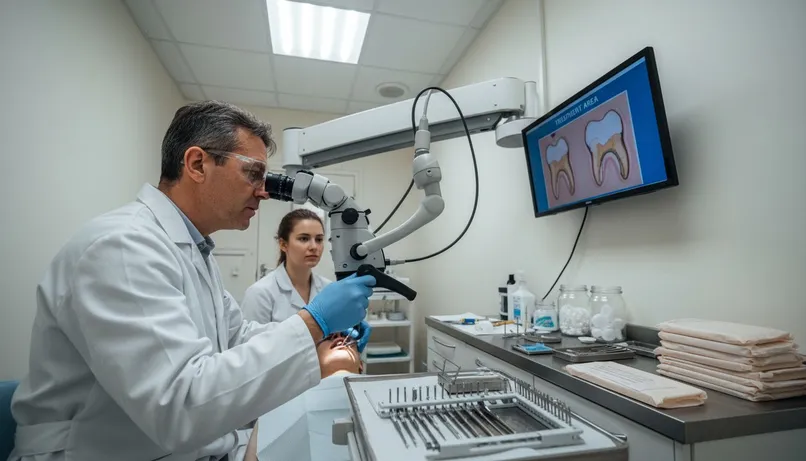
Modern technology transforms this process. Surgical microscopes magnify the treatment area up to 25 times, revealing tiny canals and cracks invisible to the naked eye. Digital imaging provides three-dimensional views of your tooth’s internal anatomy, guiding precise treatment. Rotary instruments clean canals more efficiently and comfortably than traditional hand files.
Why preserve the natural tooth instead of extracting it? Your natural tooth maintains proper chewing function, prevents neighboring teeth from shifting, and preserves jawbone density. Extractions require replacement options like implants or bridges, which cost more and involve additional procedures. Root canal therapy is typically more affordable and conservative.
Pro Tip: Early root canals have higher success rates and faster recovery. If you’re experiencing tooth pain, schedule an evaluation within days, not weeks, to maximize your chances of saving the tooth with minimal intervention.
Most patients return to normal activities the next day. Mild discomfort responds well to over-the-counter pain relievers. The tooth may feel slightly different for a few days as surrounding tissues heal, but severe pain is rare with modern techniques. Learning about root canal myths debunked helps set realistic expectations and reduces anxiety.
Advanced endodontic procedures and complex case management
Beyond standard root canals, endodontists perform specialized procedures that rescue teeth other practitioners might recommend extracting. These advanced treatments showcase the depth of endodontic expertise and the commitment to preserving natural teeth.
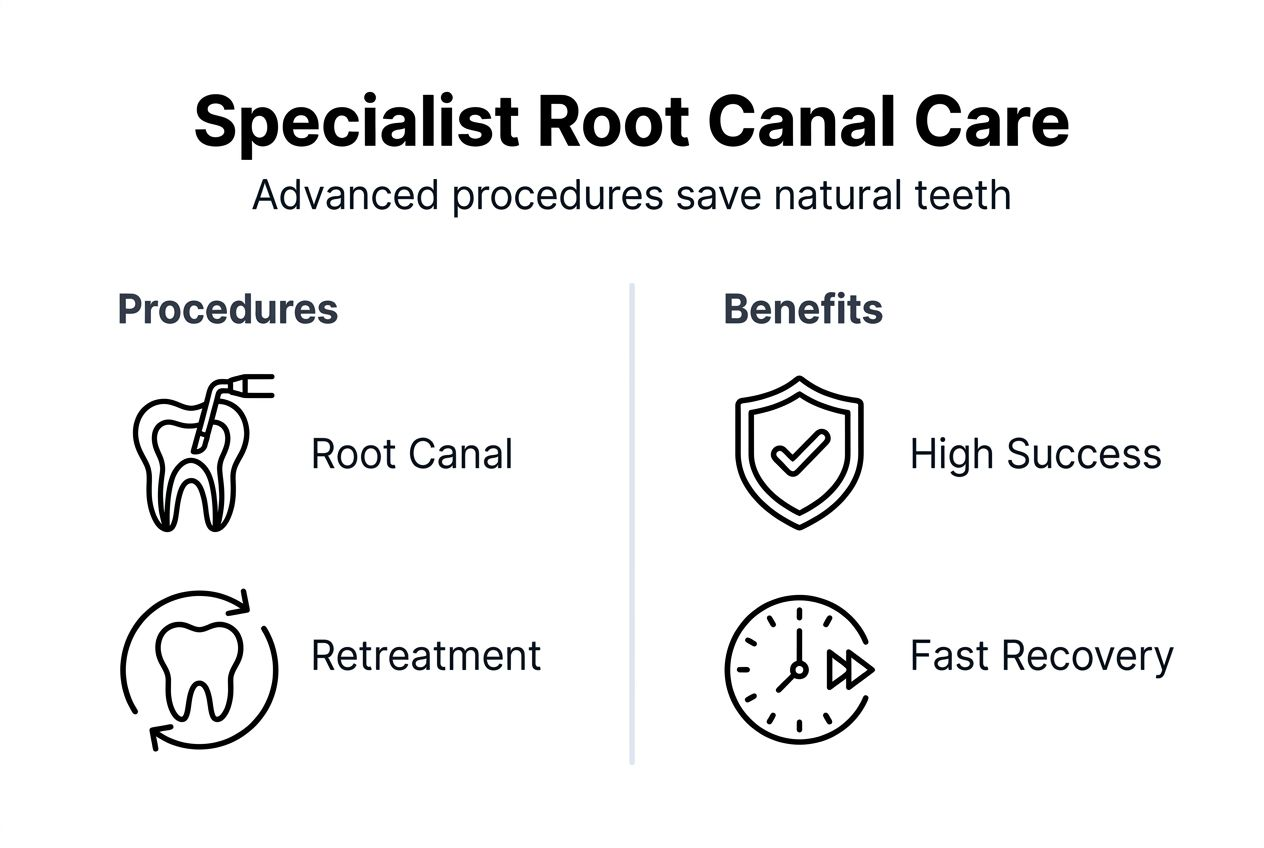
Endodontic retreatment is a specialized procedure where previously treated root canals that failed to heal correctly are retreated, highlighting endodontists’ expertise in complex and failed cases preserving natural teeth. Sometimes initial treatment doesn’t fully resolve infection due to complex anatomy, new decay, or delayed crown placement. Retreatment involves removing previous filling material, re-cleaning canals, addressing any missed canals or cracks, and resealing the system.
Other complex procedures include:
- Apicoectomy (root-end surgery) removes infected tissue and the tip of the tooth root when retreatment isn’t possible
- Cracked tooth treatment stabilizes and seals fractures before they split the tooth completely
- Traumatic injury care addresses damage from sports injuries, falls, or accidents
- Internal bleaching lightens discolored teeth from the inside after root canal therapy
- Resorption management treats cases where the body mistakenly attacks tooth structure
Specialized instruments make these procedures possible. Ultrasonic tips access tiny spaces, fiber-optic lights illuminate deep canals, and cone-beam CT scanners create 3D roadmaps of complex anatomy. These tools, combined with years of focused training, allow endodontists to save teeth that would otherwise be lost.
| Procedure | Success Rate | Typical Recovery | When It’s Needed |
|---|---|---|---|
| Primary root canal | 95% | 2-3 days | Initial pulp infection or inflammation |
| Retreatment | 85% | 3-5 days | Failed previous root canal treatment |
| Apicoectomy | 90% | 5-7 days | Persistent infection after retreatment |
| Cracked tooth repair | 80% | 3-4 days | Vertical or horizontal tooth fractures |
These success rates demonstrate why specialist care matters. Endodontists achieve high outcomes even in challenging cases because they’ve managed thousands of similar situations. Their experience with dental technology translates to precise, efficient care that maximizes your tooth’s lifespan. When your dentist refers you to an endodontist for a complex case, they’re ensuring you receive the highest standard of specialized care available.
Common misconceptions about root canal therapy and endodontists
Fear and misunderstanding surround root canal therapy, often based on outdated information or stories from decades past. Let’s separate fact from fiction using current evidence and modern realities.
There is a common misconception that root canal treatments are highly painful; however, endodontic procedures are typically no more uncomfortable than routine dental work due to advanced anesthetic and sedation techniques. Today’s local anesthetics are highly effective, and endodontists are experts in ensuring complete numbness before beginning treatment. Most patients report feeling pressure but no pain during the procedure.
Myth-busting the most persistent misconceptions:
- Myth: Root canals cause severe pain. Reality: The infection causes pain; the root canal eliminates it. Most patients experience immediate relief after treatment.
- Myth: Extraction is better than root canal therapy. Reality: Saving natural teeth maintains bone structure, chewing function, and costs less long term than implants.
- Myth: Root canals require multiple appointments and long recovery. Reality: Most cases are completed in one or two visits, with patients returning to normal activities the next day.
- Myth: Any dentist can perform root canals as well as specialists. Reality: Endodontists’ focused training and high procedure volume translate to superior outcomes and efficiency.
- Myth: Root canal-treated teeth become weak and brittle. Reality: Properly restored teeth function normally for decades; weakness comes from untreated decay, not the procedure.
Success rates tell the truth. Primary root canal therapy succeeds in approximately 95% of cases, with treated teeth lasting a lifetime when properly maintained. Compare this to extraction alternatives: dental implants have excellent success rates but require surgery, healing time, and significantly higher costs. Bridges depend on adjacent teeth for support, potentially compromising healthy tooth structure.
Pro Tip: Ask your endodontist about sedation options if dental anxiety affects you. Nitrous oxide or oral sedation can make your experience completely comfortable and stress-free, even for complex procedures.
The pain reputation stems from pre-treatment infection, not the procedure itself. By the time you’re in the endodontist’s chair, you’re on the path to relief. Modern root canal therapy is a tooth-saving solution, not something to fear. Understanding these realities through root canal myths debunked empowers you to make confident decisions about your dental health.
Accessing affordable and bilingual endodontic care in Southern California
Cost and communication barriers shouldn’t prevent you from receiving expert endodontic care. Southern California offers accessible options that combine specialist expertise with financial flexibility and language support.
Insurance acceptance expands access significantly. Many endodontic practices accept Denti-Cal (California’s Medicaid dental program), PPO plans, and HMO coverage. Denti-Cal specifically covers medically necessary endodontic treatment, including root canals and related procedures, for eligible patients. Verify your coverage before your appointment to understand your out-of-pocket costs.
For uninsured patients, in-house dental membership programs offer an affordable alternative. These plans typically start around $20 monthly and provide discounted rates on specialist services, preventive care, and emergency treatment. Membership removes insurance complexity while making quality care financially predictable.
Bilingual services matter deeply. When discussing complex dental procedures, communicating in your preferred language ensures you fully understand your diagnosis, treatment options, and aftercare instructions. English and Spanish-speaking staff create comfortable environments where you can ask questions freely and make informed decisions without language anxiety.
Financial options to explore:
- Denti-Cal coverage for eligible low-income California residents
- PPO and HMO insurance plan acceptance with transparent billing
- In-house membership programs with monthly payment options
- Third-party financing through companies like CareCredit
- Payment plans that divide treatment costs into manageable installments
- Upfront cost estimates so you know exactly what to expect
Don’t let cost concerns delay necessary treatment. Untreated tooth infections worsen over time, potentially requiring more expensive interventions like extractions and implants. Early endodontic care is not only more effective but also more affordable in the long run.
Scheduling is straightforward. Call to verify your insurance coverage, discuss financial options, and book your consultation. Many practices offer same-day or next-day appointments for dental emergencies. Bring your insurance card, a list of current medications, and any relevant dental records to your first visit. For comprehensive guidance, explore affordable dental care options, Denti-Cal specialty care guide, and dental membership plans San Bernardino to find the right financial solution for your situation.
Get expert endodontic care at Monteluz Dental
Your natural teeth deserve specialist care when facing infection or damage. Monteluz Dental Specialty Group brings expert endodontists to San Bernardino and the Inland Empire, combining advanced training with accessible, affordable treatment options.
Our endodontic specialists perform hundreds of root canals annually, bringing precision and efficiency to every case. Whether you need primary treatment, retreatment, or complex procedures like apicoectomy, you’ll receive care from professionals who focus exclusively on saving teeth. We accept Denti-Cal, PPO, and HMO insurance plans, ensuring cost doesn’t stand between you and the specialist care you need. For uninsured patients, dental membership plans San Bernardino starting at $20 monthly make quality endodontic care affordable and predictable. Bilingual English and Spanish staff ensure comfortable communication throughout your treatment journey. Don’t let tooth pain or infection progress. Schedule your consultation with our endodontic specialists San Bernardino today and discover how modern root canal therapy can save your smile comfortably and affordably. Learn more about your coverage options through our Denti-Cal specialty care guide and take the first step toward lasting dental health.
Frequently asked questions about endodontists and root canal treatment
How do I know if I need to see an endodontist instead of my regular dentist?
If you experience severe tooth pain, prolonged sensitivity to temperature, swelling near a tooth, or if your dentist identifies complex root canal anatomy, an endodontist is recommended. General dentists often refer complicated cases to specialists who have advanced training and equipment for optimal outcomes.
Will my root canal procedure hurt?
Modern root canal therapy typically causes no more discomfort than a routine filling due to effective anesthesia. Most pain comes from the infection before treatment, not the procedure itself. Many patients report immediate relief once the infected pulp is removed and the tooth is properly sealed.
How much does root canal treatment cost with insurance or Denti-Cal?
Costs vary based on tooth location and complexity, but Denti-Cal covers medically necessary endodontic treatment for eligible patients. PPO plans typically cover 50-80% after deductibles. For specific pricing and coverage verification, contact your endodontist’s office before your appointment to receive a detailed estimate.
Can a tooth that already had a root canal need retreatment?
Yes, about 5-15% of root canal-treated teeth may require retreatment if new infection develops, canals were missed initially, or restoration fails. Endodontists specialize in these complex cases and achieve approximately 85% success rates with retreatment. Understanding root canal myths debunked helps set realistic expectations.
How long does recovery take after root canal therapy?
Most patients return to normal activities the next day with only mild discomfort managed by over-the-counter pain relievers. Avoid chewing on the treated tooth until your permanent restoration is placed. Complete healing of surrounding tissues typically occurs within one to two weeks.
Are there affordable options for root canal treatment if I don’t have insurance?
Yes, in-house dental membership programs starting around $20 monthly provide discounted specialist rates for uninsured patients. Many practices also offer payment plans through third-party financing or direct installment arrangements. Explore affordable dental care options to find solutions that fit your budget and ensure you receive necessary treatment without delay.
Recommended
- Crowns and Bridges
- Teeth Whitening
- Root Canal Myths Root Canal Facts Painless Root Canal