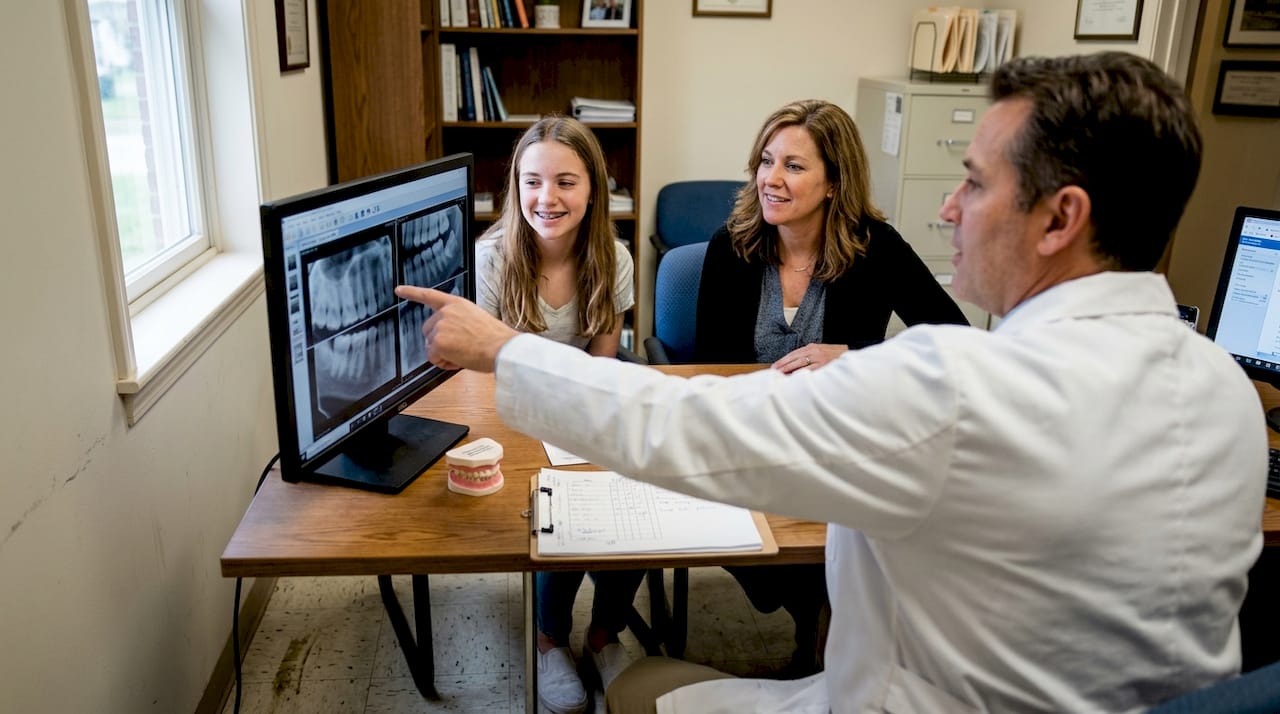

Searching for affordable dental implants can feel stressful when you want quality care close to home in San Bernardino. For Denti-Cal recipients, finding a trusted dental provider who understands community needs is key. A comprehensive dental evaluation is the first step to a safe and successful implant procedure, helping your dentist determine if you are a candidate and create a personalized treatment plan that fits your health history and budget.
Table of Contents
- Step 1: Schedule A Comprehensive Dental Evaluation
- Step 2: Review Health History And Discuss Medications
- Step 3: Complete Necessary Diagnostic Imaging
- Step 4: Understand Implant Procedure And Post-Care Instructions
- Step 5: Arrange Financial And Insurance Support
Quick Summary
| Key Point | Explanation |
|---|---|
| 1. Schedule a dental evaluation | A comprehensive evaluation is essential for assessing oral health and determining implant suitability before the procedure. |
| 2. Review health history thoroughly | Complete health history aids in creating a safe treatment plan and addressing any complications from existing conditions or medications. |
| 3. Utilize diagnostic imaging methods | Advanced imaging techniques like CBCT are vital for precise treatment planning and anticipating anatomical challenges in implant placement. |
| 4. Understand the implant procedure | Familiarize yourself with the surgical process and post-care instructions to ensure a smooth recovery and successful integration of implants. |
| 5. Plan for financial aspects carefully | Review insurance coverage and explore financing options to manage the costs associated with dental implants effectively. |
Step 1: Schedule a comprehensive dental evaluation
Scheduling a comprehensive dental evaluation is your critical first step in preparing for successful dental implants. This initial consultation allows our dental specialists to thoroughly assess your oral health and determine your specific implant candidacy.
During the evaluation, your dentist will conduct an extensive examination that goes far beyond a typical checkup. Detailed oral health assessments typically involve multiple diagnostic processes:
- Review of complete medical history
- Comprehensive oral examination
- Detailed x-rays and 3D imaging
- Assessment of bone density and gum health
- Evaluation of potential complicating factors like diabetes or medications
Your dental specialist will create a personalized treatment plan tailored specifically to your oral health needs. This plan may include preparatory procedures such as bone grafting or addressing any existing periodontal conditions that could impact implant success.
A thorough dental evaluation is not just a formality - it’s the foundation of your dental implant journey.
Pro tip: Bring a complete list of current medications and medical conditions to your initial evaluation to help your dentist develop the most accurate treatment approach.
Step 2: Review health history and discuss medications
Reviewing your complete health history is a critical step in preparing for dental implants. This comprehensive evaluation helps your dental team understand potential factors that could impact your treatment and recovery.
Comprehensive medical history review involves discussing several key aspects of your health:
- Current chronic health conditions
- Prescription and over-the-counter medications
- Previous surgeries and medical treatments
- Allergies and sensitivities
- Family medical history
- Lifestyle factors like smoking or alcohol consumption
Your dentist needs to understand how existing health conditions might interact with dental implant procedures. Certain medications can significantly affect healing and implant success. For instance, medications for osteoporosis, blood thinners, or immunosuppressants might require special consideration during your treatment plan.
Honest and complete disclosure of your medical history is not just recommended - it’s essential for safe and successful dental implant treatment.
Pro tip: Organize your medical records and medication list before your appointment to ensure you provide the most accurate and comprehensive information possible.
Step 3: Complete necessary diagnostic imaging
Diagnostic imaging is a crucial step in preparing for dental implants, providing your dental team with a comprehensive view of your oral anatomy and bone structure. This detailed imaging helps create a precise treatment plan tailored specifically to your needs.
Advanced dental imaging techniques typically involve several sophisticated diagnostic methods:
- Panoramic radiography
- Cone-beam computed tomography (CBCT)
- Intraoral digital x-rays
- 3D digital scans
- Cephalometric radiography
The CBCT scan is particularly important, offering high-resolution three-dimensional images that reveal critical details about your jawbone density, nerve pathways, and potential anatomical challenges. These images allow your dental specialist to plan the most accurate implant placement, minimizing potential surgical complications.
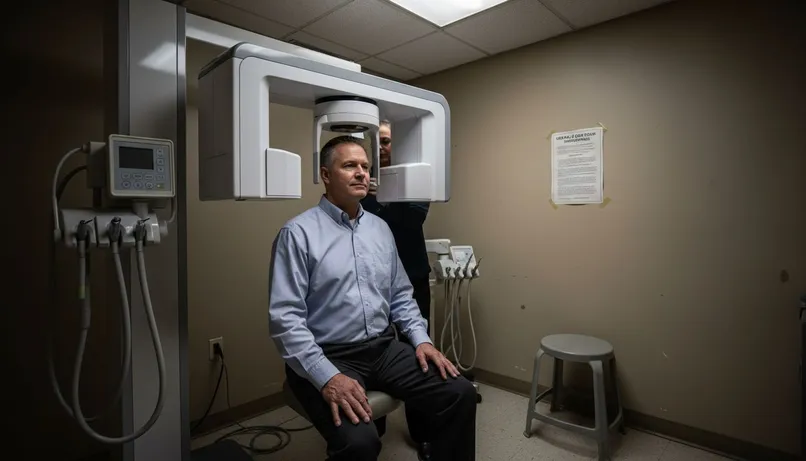
Here’s how different diagnostic imaging techniques support dental implant planning:
| Imaging Technique | Main Purpose | Key Benefit |
|---|---|---|
| Panoramic Radiography | Overview of jaws and teeth | Detects jaw abnormalities |
| CBCT (3D Scan) | 3D view of bone and nerves | Ensures precise placement |
| Intraoral Digital X-Ray | Tooth and root detail | Reveals hidden infection |
| Cephalometric Radiography | Measures jaw relations | Assists in bite analysis |
Diagnostic imaging is not just a preliminary step - it’s the blueprint for your successful dental implant procedure.
Pro tip: Wear comfortable, metal-free clothing to your imaging appointment and inform the technician about any medical conditions that might affect the scanning process.
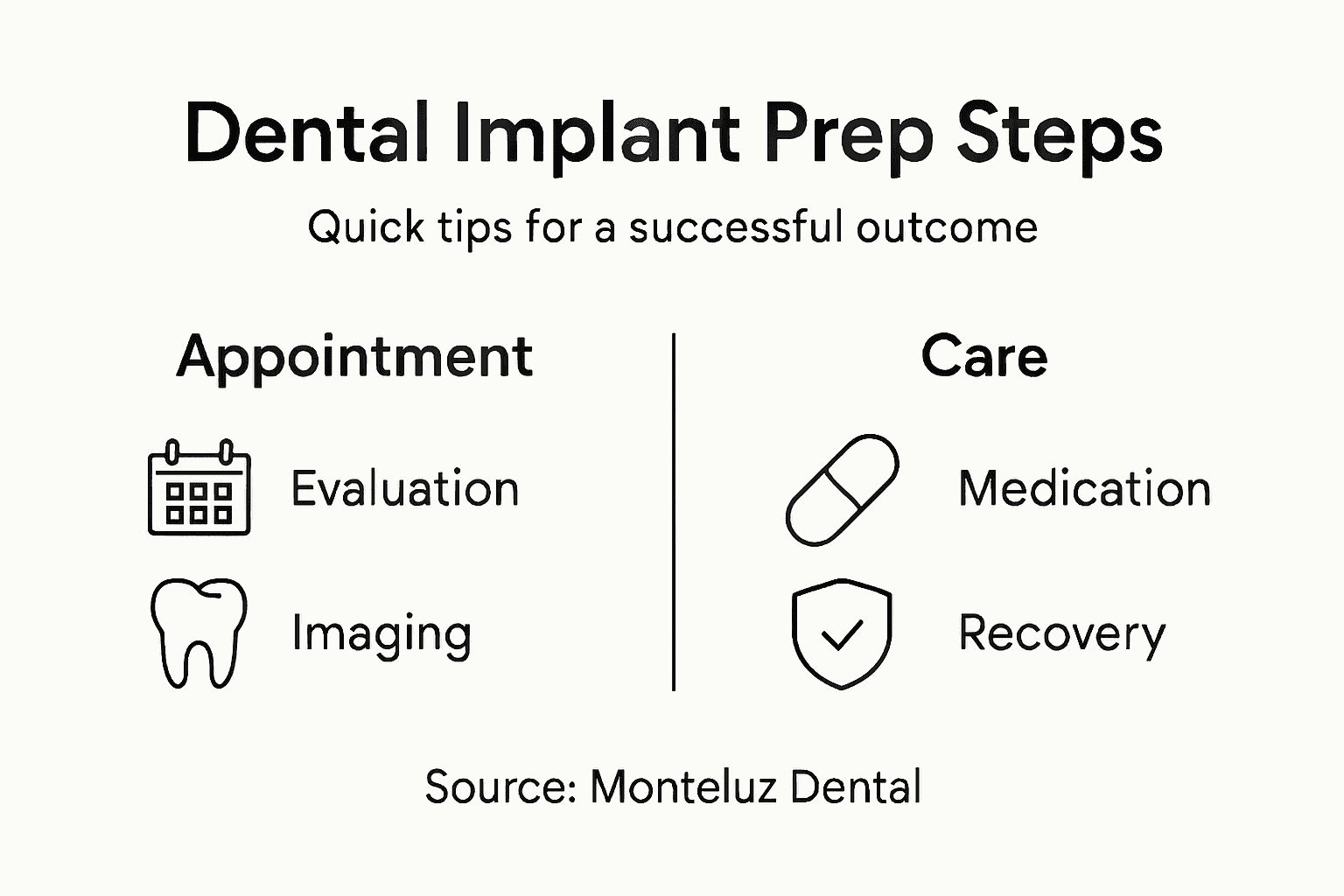
Step 4: Understand implant procedure and post-care instructions
Understanding the dental implant procedure and post-care instructions is essential for ensuring a smooth recovery and long-term success. This step involves learning about the surgical process, healing expectations, and how to care for your new dental implants.
Dental implant surgical procedure involves several critical stages:
- Titanium post surgical placement
- Bone integration process (osseointegration)
- Potential bone grafting preparation
- Abutment and artificial crown attachment
- Comprehensive healing and recovery
The surgical placement process involves precisely inserting a titanium post into your jawbone, which will serve as an artificial tooth root. This post will gradually fuse with your bone over several months through a process called osseointegration. During recovery, you’ll need to follow specific care instructions to promote proper healing and prevent complications.
Successful dental implants require patience, careful follow-up, and strict adherence to post-operative care guidelines.
Pro tip: Prepare soft, nutritious foods in advance and create a comfortable recovery area at home to support your healing process after the implant procedure.
Step 5: Arrange financial and insurance support
Navigating the financial aspects of dental implants is crucial for making this transformative treatment accessible and manageable. Understanding your insurance coverage and exploring financial options will help you plan effectively for your dental implant procedure.
Dental insurance coverage variations can significantly impact your out-of-pocket expenses:
- Review current insurance policy details
- Check specific implant coverage provisions
- Investigate alternative financing options
- Explore dental discount programs
- Consider flexible spending accounts
Your insurance coverage strategy should involve carefully reviewing your existing policy and understanding exactly what procedures are included. Many insurance plans consider dental implants an elective or cosmetic procedure, which means limited or no coverage. Some patients might qualify for partial reimbursement, depending on medical necessity and specific plan provisions.
Below is a comparison of common financial planning resources for dental implants:
| Resource Type | Usual Role | Advantage |
|---|---|---|
| Dental Insurance | Partial coverage possible | Reduces upfront costs |
| Dental Discount Plan | Negotiated lower fees | Quick access to reduced prices |
| Financing/Lending | Payment plans or credit | Allows for budget-friendly terms |
| Flexible Spending Account | Tax-advantaged savings | Saves on overall treatment cost |
Financial preparation is not just about finding money - it’s about investing strategically in your long-term oral health.
Pro tip: Request a detailed written estimate from your dental office and contact your insurance provider to get pre-authorization, which can help you understand exact costs and coverage before proceeding.
Prepare Confidently for Your Dental Implants with Monteluz Dental Specialty Group
Facing the challenges of planning for dental implants involves understanding your unique oral health needs and navigating each step from evaluation to recovery with expert care. This process can feel overwhelming, especially when considering factors like bone density, medical history, and financial planning. At Monteluz Dental Specialty Group, we are dedicated to helping you overcome these hurdles by providing personalized implant consultations, advanced diagnostic imaging, and supportive post-care guidance designed for long-term success.
Don’t wait to take control of your dental health journey. Visit our Dental Health to learn more about maintaining strong oral health and explore how we tailor implant treatments to your situation. Ready for your comprehensive evaluation and tailored treatment plan? Contact us now at Monteluz Dental Specialty Group and take the first step toward a healthier smile supported by flexible financing, bilingual support, and a practice committed to your care.
Frequently Asked Questions
What steps should I take to schedule my comprehensive dental evaluation for implants?
Scheduling your comprehensive dental evaluation involves contacting your dental office to set up an appointment. Ensure you provide details about your dental history and any current health conditions to help the specialists prepare for your visit.
How can I effectively prepare my medical history for review during my implant consultation?
Organizing your medical history is key to a successful review. Make a list of your current medications, chronic health conditions, and any previous surgeries to discuss comprehensively with your dentist during your evaluation.
What types of diagnostic imaging will I need before getting dental implants?
You will typically need several types of diagnostic imaging, including panoramic radiography and cone-beam computed tomography (CBCT). Prepare for these imaging appointments by wearing comfortable, metal-free clothing and informing the technician about any medical conditions that might affect the process.
What should I know about the dental implant surgical procedure and recovery?
It’s essential to understand that the dental implant procedure involves placing a titanium post in your jawbone which will eventually fuse with the bone. Prepare for a recovery period that may include following specific post-operative care instructions to ensure proper healing, typically lasting several weeks.
How can I arrange financial support for my dental implants?
To arrange financial support for your dental implants, first review your dental insurance policy for coverage details. Consider options like dental discount plans or flexible spending accounts, and gather a written estimate from your dental office to plan effectively for your expenses.
What actions can I take during my recovery period after the implant surgery?
During your recovery, focus on following your dentist’s post-operative care instructions closely to ensure a smooth healing process. Prepare soft, nutritious foods in advance and create a comfortable recovery space at home to support your needs as you heal.
Recommended
- Dental Implants Missing Teeth Tooth Replacement
- Dental Implant Procedure: Transforming Smiles in San Bernardino
- Why Dental Implants Fail – Key Risks for Families
- The Life-Changing Benefits of Dental Implants: Restore Your Smile