
Navigate insurance workflow for dental implants in San Bernardino 2026
Dental implants often cost over $3,000 per tooth, creating a significant barrier for families in San Bernardino seeking to restore their smiles. Many patients are confused about what Medi-Cal and Denti-Cal actually cover, leading to frustration and delayed treatment. This guide breaks down the insurance workflow step by step, helping you understand coverage rules, prepare documentation, explore affordable alternatives, and complete treatment successfully in 2026.
Table of Contents
- Understanding Dental Implant Insurance Coverage In San Bernardino
- Preparing For The Insurance Approval Process For Dental Implants
- Exploring Affordable Alternatives And Financing Options For Dental Implants
- Completing Your Dental Implant Treatment And Post-Approval Steps
- Explore Expert Dental Implant Services In San Bernardino
Key takeaways
| Point | Details |
|---|---|
| Coverage is limited | Medi-Cal rarely covers implants unless medically necessary, with dentures preferred. |
| Documentation matters | Approval requires clinical records, imaging, and proof of functional need. |
| Alternatives exist | University clinics, community programs, and financing plans improve affordability. |
| Preparation is key | Early prior authorization and provider coordination streamline the approval process. |
| Expert guidance helps | Experienced dental providers navigate insurance complexities and financing options. |
Understanding dental implant insurance coverage in San Bernardino
Navigating dental insurance for implants can feel overwhelming, especially when you’re dealing with Medi-Cal or Denti-Cal policies in 2026. These programs prioritize essential services and cost-effective treatments, which means implants face significant coverage barriers.
Medi-Cal generally classifies implants as non-essential, leaving most adult patients without coverage. The program focuses on preventive care and basic restorations rather than advanced procedures. This policy reflects budget constraints and a preference for less expensive alternatives like dentures.
Adults seeking implant coverage face strict medical necessity requirements. Coverage under Denti-Cal is extremely rare and typically limited to trauma cases, cancer reconstruction, or severe congenital defects. Without documented medical necessity, approval is unlikely.
Insurance programs consider removable dentures or partial dentures sufficient tooth replacements. These alternatives cost less and meet basic functional needs according to coverage guidelines. Understanding this preference helps you set realistic expectations when exploring Medi-Cal implant services 2026.
Key factors affecting your coverage include:
- Current Medi-Cal eligibility status and benefit tier
- Documentation of severe functional impairment or medical condition
- Provider participation in Denti-Cal programs
- Prior authorization submission timing and completeness
- Alternative treatment options already attempted
San Bernardino patients should verify their specific plan details before pursuing implants. Coverage rules can vary slightly between county programs and managed care plans. Speaking with your dental provider early prevents surprises during treatment planning.
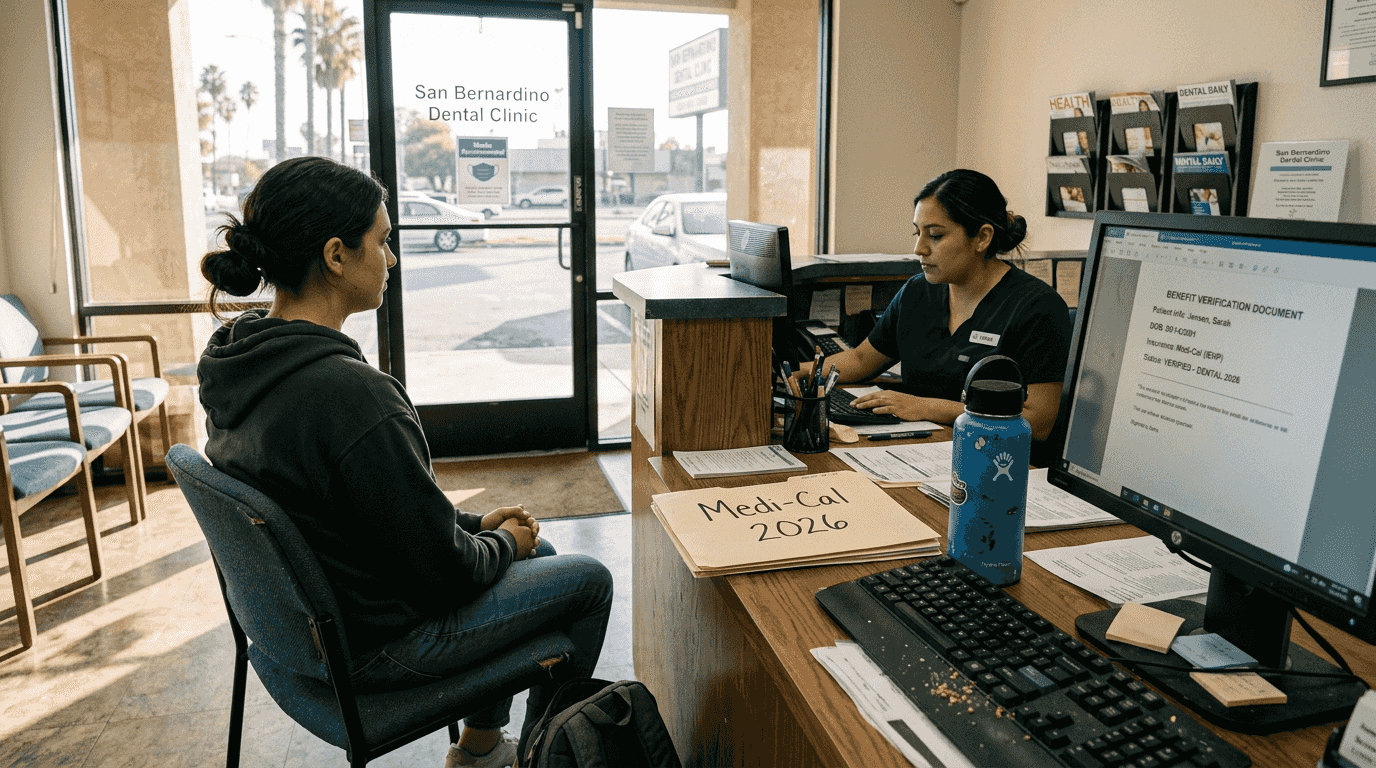
Pro Tip: Request a written benefit verification from Medi-Cal before starting any implant consultation. This document clarifies exactly what your plan covers and helps avoid unexpected out-of-pocket costs.
Preparing for the insurance approval process for dental implants
Once you understand coverage limitations, preparation becomes your next critical step. The approval process requires detailed documentation and patience, but organized efforts improve your chances significantly.
- Confirm your current Medi-Cal or Denti-Cal enrollment status through the county office or online portal.
- Schedule a comprehensive dental exam to assess your implant candidacy and document clinical findings.
- Work with your dentist to gather X-rays, CT scans, clinical photographs, and detailed treatment notes.
- Document any functional impairments like difficulty chewing, speaking, or maintaining nutrition.
- Request your provider submit prior authorization forms with all supporting evidence attached.
- Follow up weekly on authorization status, as approval can take weeks or months.
Your dental team plays a vital role in this process. Consulting with an experienced provider who understands Medi-Cal workflows saves time and reduces frustration. They know exactly what documentation reviewers expect and how to present your case most effectively.
Medical necessity evidence strengthens your authorization request. This includes records showing unsuccessful denture attempts, bone loss complications, or conditions preventing denture use. The stronger your medical case, the better your approval odds.
Be prepared for additional requirements during review. Insurance may request specialist consultations, additional imaging, or second opinions. Responding quickly to these requests keeps your application moving forward. Check your dental implant checklist 2026 to stay organized.
Maintain open communication with your dental office throughout the process. They receive updates before you do and can advocate on your behalf if delays occur. Ask for regular status reports and clarification on any denials or requests for more information.
Pro Tip: Keep copies of all submitted documents, authorization numbers, and correspondence. This paper trail proves invaluable if you need to appeal a denial or file a grievance.
Exploring affordable alternatives and financing options for dental implants
When insurance coverage falls short, alternative pathways and financing make implants accessible. San Bernardino families have multiple options to reduce costs and spread payments over time.
Medi-Cal might cover preparatory procedures even when denying the implant itself. Preliminary procedures like extractions or bone grafts may receive approval, reducing your total out-of-pocket expense. Coordinate with your provider to maximize covered services.
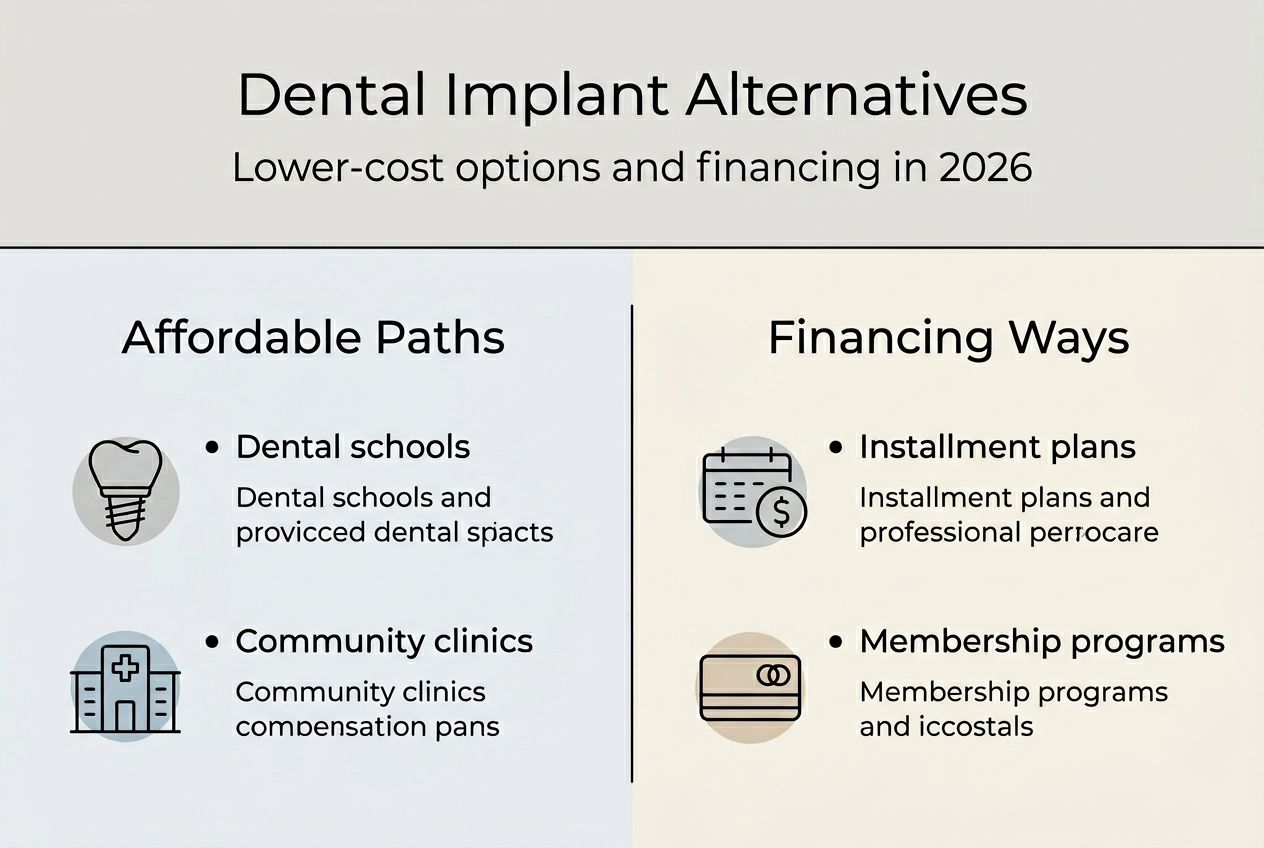
University dental schools offer significantly reduced implant costs. Students perform procedures under expert supervision, providing quality care at fraction of standard prices. Community health clinics also provide sliding scale fees based on income.
Financing plans transform high upfront costs into manageable monthly payments. Many dental practices offer in-house payment plans or partner with healthcare financing companies. These arrangements often include zero-interest periods for qualified patients.
Cost comparison helps you make informed decisions:
| Option | Typical Cost Range | Coverage/Assistance |
|---|---|---|
| Private practice implants | $3,000 to $6,000+ per tooth | Limited or no Medi-Cal coverage |
| University dental schools | $1,500 to $3,000 per tooth | Income-based discounts available |
| Community clinics | $2,000 to $4,000 per tooth | Sliding scale fees |
| Financing plans | Split costs over 12-60 months | Zero to low interest options |
The cost of dental implants varies widely based on case complexity and provider location. Additional expenses like crowns, bone grafts, and imaging add to the total investment. Understanding full treatment costs prevents budget surprises.
Combining resources maximizes affordability. Use Medi-Cal for preparatory work, university clinics for the implant placement, and financing for remaining costs. This layered approach makes treatment achievable on tight budgets. Review your dental implant financing guide 2026 for detailed payment strategies.
Dental membership programs offer another pathway. Some practices provide annual membership covering exams, cleanings, and discounts on major procedures. These programs work well for uninsured patients or those with limited Medi-Cal dental benefits.
Explore innovative dental solutions that might reduce treatment complexity and cost. Technologies like mini implants or implant-supported dentures sometimes cost less than traditional single-tooth implants while still improving function.
Pro Tip: Ask about phased treatment plans that spread procedures across multiple budget years. Completing bone grafting in one year and implant placement the next makes costs more manageable.
Understanding cost factors dental implants helps you budget accurately and avoid underestimating total expenses. Factor in all stages from consultation through final crown placement.
Completing your dental implant treatment and post-approval steps
Securing insurance approval or financing brings you to the treatment execution phase. Proper provider selection and diligent follow-through ensure successful outcomes and long-lasting results.
- Choose a qualified implant specialist with Medi-Cal experience in San Bernardino.
- Schedule your initial consultation to finalize treatment planning and timing.
- Coordinate appointment dates around insurance authorization periods and financing approval.
- Understand the typical 3-6 month timeline from implant placement to final crown.
- Follow all pre-surgery instructions regarding medications and eating restrictions.
- Arrange transportation for surgery day, as sedation may prevent you from driving.
Your provider choice significantly impacts treatment success. Look for specialists experienced with diverse patient populations and insurance workflows. Bilingual support helps if Spanish is your primary language, ensuring you fully understand each treatment step.
Post-surgery care determines long-term implant survival. Dental implants fuse with the jawbone, requiring several months for complete integration. Protecting this healing process through careful oral hygiene and diet modifications is essential.
Monitoring and follow-up appointments track healing progress:
- Two-week checkup to assess initial healing and remove sutures
- Monthly evaluations during the osseointegration period
- Final crown placement once implant fully integrates
- Six-month and annual checkups to verify ongoing stability
Maintain excellent oral hygiene to protect your investment. Brush twice daily, floss around implants carefully, and use antibacterial rinse as directed. These habits prevent infection and ensure implant longevity.
Attend all scheduled follow-up visits without exception. Your dentist monitors integration, adjusts temporary restorations, and addresses any complications early. Missing appointments risks implant failure or additional costs.
Recognize warning signs requiring immediate attention. Persistent pain, swelling after the first week, implant movement, or discharge indicate potential problems. Contact your provider immediately if you experience these symptoms. Learn more about dental implants tooth replacement to understand what normal healing looks like.
Long-term success requires ongoing commitment. Regular professional cleanings every six months, proper home care, and protecting implants from trauma ensure they last decades. Many patients enjoy 20+ years of function from well-maintained implants.
Document your treatment thoroughly for insurance and tax purposes. Keep receipts, treatment plans, and insurance correspondence organized. Medical expenses exceeding certain income thresholds may qualify for tax deductions. Discover benefits of dental implants that extend beyond just replacing missing teeth.
Explore expert dental implant services in San Bernardino
Navigating insurance workflows and treatment planning requires expert guidance tailored to your unique situation. Monteluz Dental Specialty Group provides personalized dental implant consultations throughout San Bernardino, helping families access affordable, quality care.
Our experienced specialists understand Medi-Cal complexities and work directly with you to explore all available options. We provide clear guidance on insurance documentation, prior authorization requirements, and alternative financing pathways. Whether you need help understanding dental implants tooth replacement options or clarifying insurance dental implants coverage, our team offers bilingual support and patient-centered care.
We accept Denti-Cal, PPO, and HMO insurance plans, plus offer in-house membership programs starting at $20 monthly for uninsured patients. Flexible payment plans make advanced dental care accessible to families across income levels. Review our comprehensive dental implant financing guide to explore all your options. Contact us today to schedule your consultation and take the first step toward restoring your smile.
FAQ
Does Medi-Cal cover dental implants for adults in San Bernardino?
Medi-Cal generally does not cover implants for adults except in rare medically necessary cases. Most standard situations result in denial, with removable dentures or partial dentures offered as covered alternatives instead.
What documents are needed to get insurance approval for dental implants?
Insurance approval requires detailed documentation including clinical notes, X-rays, CT scans, and proof of medical necessity. Providers must demonstrate severe functional impairment like inability to chew or unsuccessful denture attempts to strengthen approval chances.
Are there affordable alternatives if insurance denies dental implants?
Yes, community clinics and dental schools offer reduced-cost implant services at significantly lower prices. Financing plans and payment arrangements also help spread costs over manageable monthly installments, making treatment accessible despite insurance denials.
How long does the dental implant insurance approval process take?
The prior authorization process typically takes several weeks to months depending on case complexity and insurance reviewer workload. Submitting complete documentation initially and responding quickly to additional information requests helps expedite approval timelines.
Can I appeal a Medi-Cal denial for dental implants?
Yes, you have the right to appeal any Medi-Cal denial through the formal grievance process. Submit additional medical evidence, specialist letters, and documentation showing why implants are medically necessary rather than cosmetic to strengthen your appeal case.
Recommended
- Role of Insurance in Dental Implants Access
- Dental Implant Checklist 2026: 20% Higher CA Costs & Tips
- Dental implant guide 2026: 90% success for Denti-Cal patients
- Dental Implant Financing Guide 2026: 30% More Affordable
- Oral Health Trends 2026: Innovations and Natural Solutions – Stop Oral Care