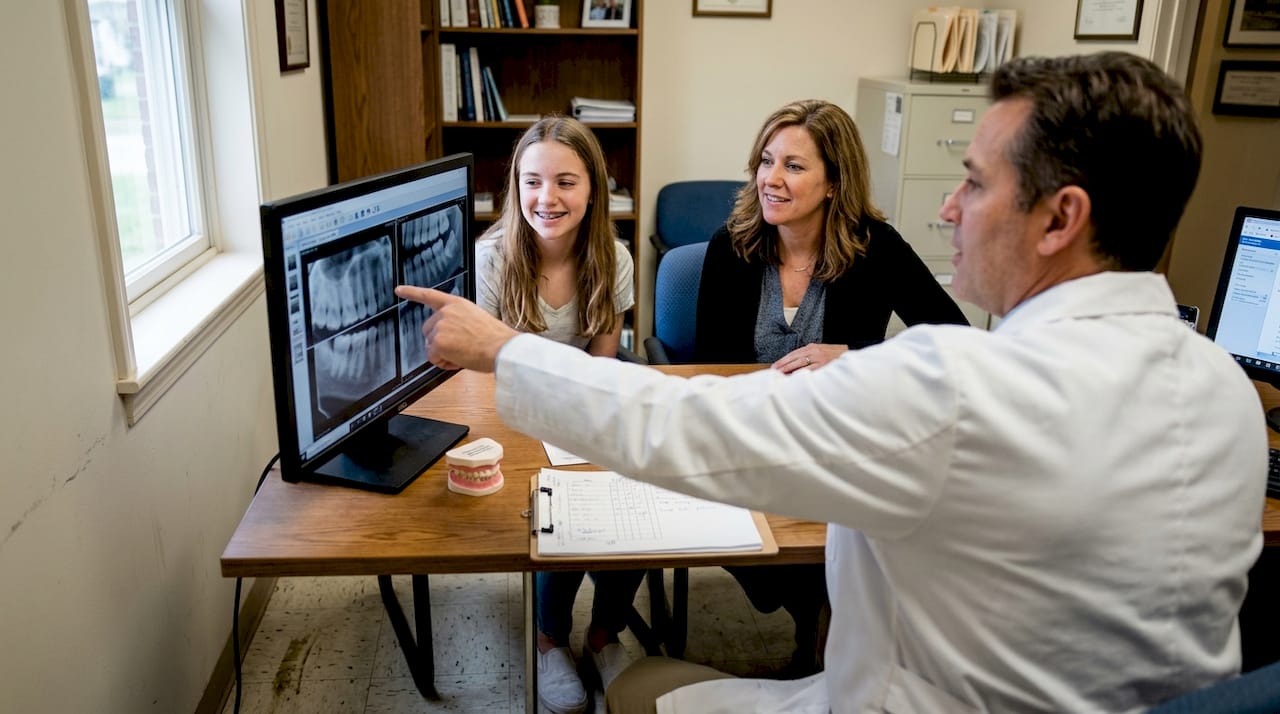

Over half of California kindergartners and a staggering 70% of third graders have tooth decay, making it the most common chronic childhood disease in the state. Families in San Bernardino and the Inland Empire face unique challenges maintaining oral health, from limited awareness to access barriers. This guide delivers practical daily hygiene tips, preventive care strategies, and affordable local dental resources to help your family achieve healthier smiles in 2026.
Table of Contents
- Understanding Family Oral Health Challenges In San Bernardino And Inland Empire
- Key Selection Criteria For Effective Oral Health Practices And Care
- Daily Oral Hygiene Practices For Families: Tips And Best Approaches
- Preventive Oral Health Practices For Children
- Affordable Dental Care Resources In San Bernardino And Inland Empire
- Choosing Effective Dental Hygiene Products For Families
- Access And Communication: Bilingual And Cultural Considerations
- Summary Comparison And Situational Recommendations
- Improve Your Family’s Oral Health With Monteluz Specialty
- Frequently Asked Questions
Key takeaways
| Point | Details |
|---|---|
| Daily brushing and flossing | Brush twice daily with fluoride toothpaste and floss once daily to prevent decay and gum disease effectively. |
| Preventive treatments for children | Sealants and fluoride applications protect young teeth and reduce cavities by up to 80% in molars. |
| Affordable local dental care | Medi-Cal coverage, free community events, and membership plans make professional care accessible to families. |
| Proper hygiene product selection | Soft bristle brushes sized for age, fluoride toothpaste, and floss alternatives enhance daily cleaning effectiveness. |
| Bilingual services improve access | English-Spanish support reduces communication barriers and builds trust for diverse Inland Empire families. |
Understanding family oral health challenges in San Bernardino and Inland Empire
Families in our region face a dental health crisis that demands attention and action. More than 50% of California kindergartners and 70% of third graders have already experienced tooth decay, the most common chronic childhood disease. These numbers reflect deeper issues tied to access, affordability, and awareness that hit low-income communities particularly hard.
Understanding oral health importance in San Bernardino starts with recognizing the specific barriers families encounter. Financial constraints prevent many from seeking timely professional care. Geographic distance to quality providers adds another layer of difficulty. Cultural and language differences can discourage families from pursuing treatment, even when options exist.
The local oral health challenges report highlights several critical factors:
- Low-income families struggle with out-of-pocket dental costs despite insurance coverage
- Transportation and scheduling barriers prevent regular preventive visits
- Limited bilingual dental staff reduces effective communication and trust
- Awareness gaps about preventive care and available resources leave problems untreated
- Cultural attitudes toward dental care sometimes delay necessary interventions
Bilingual and culturally sensitive dental services significantly reduce these care gaps. When families can communicate clearly with providers in their preferred language, they better understand treatment plans, feel more comfortable asking questions, and follow through with recommended care. Community-specific support systems tailored to the Inland Empire’s diverse population help address these systemic challenges and improve outcomes for everyone.
Key selection criteria for effective oral health practices and care
Choosing the right oral health practices and care options requires understanding what works best for your family’s unique situation. Effectiveness, age-appropriateness, affordability, and local availability all play crucial roles in maintaining healthy teeth and gums year-round.
Daily preventive care forms the foundation of oral health for every family member. Brushing twice daily and flossing once removes plaque before it hardens into tartar, preventing cavities and gum disease. These simple habits cost little but deliver enormous long-term benefits by avoiding expensive restorative treatments later.
Selecting products suited to each family member’s age and needs maximizes effectiveness. Young children need smaller brush heads and training toothpaste, while adults benefit from features like angled bristles or electric options. Understanding these differences helps you invest in tools that actually get used properly rather than sitting in drawers.
Local dental resources and insurance coverage directly affect which care options make sense for your family. Medi-Cal provides free or low-cost dental services, improving dental care access for low-income families in California including preventive and routine dental care. Knowing what your coverage includes or what community programs offer helps you plan regular checkups without financial stress.
Criteria for selecting affordable dental care basics include:
- Coverage scope under your insurance or public programs like Medi-Cal
- Geographic proximity to dental providers accepting your insurance
- Availability of bilingual staff matching your family’s language needs
- Range of services from preventive cleanings to restorative treatments
- Flexible payment options including membership plans for uninsured families
- Provider reputation and community standing in the Inland Empire
Understanding community support systems proves vital for sustained oral health. Free dental events, sliding scale clinics, and educational programs exist to help families navigate care options. Learning where to find reliable Medi-Cal dental coverage details and how to access them removes guesswork and empowers you to make informed decisions for your family’s health.
Daily oral hygiene practices for families: tips and best approaches
Consistent daily hygiene habits prevent most common dental problems and set your family up for lifelong oral health success. Simple routines performed correctly deliver better results than occasional intensive efforts.
Brush twice daily with fluoride toothpaste to remove plaque and strengthen enamel. Morning brushing eliminates overnight bacterial buildup, while evening brushing clears food particles and acids from the day. Use a pea-sized amount of fluoride toothpaste for children over three and supervise brushing until age seven or eight to ensure proper technique.

Floss daily to prevent gum disease and reach areas brushes miss. Plaque accumulates between teeth where bristles cannot reach, leading to cavities and gingivitis if left undisturbed. Make flossing a family activity after dinner to build the habit and monitor children’s technique.
Use soft bristle toothbrushes sized appropriately by age to improve brushing effectiveness for family members including children. Hard bristles wear down enamel and damage gums over time, while age-appropriate sizes ensure comfortable grip and proper reach. Replace brushes every three months or sooner if bristles fray.
Practical tips for effective daily hygiene:
- Set timers for two minutes to ensure thorough brushing coverage
- Use circular motions rather than harsh back-and-forth scrubbing
- Brush tongue and roof of mouth to remove odor-causing bacteria
- Rinse thoroughly but avoid rinsing immediately after fluoride toothpaste application
- Keep brushes upright in open air to dry between uses, preventing bacterial growth
- Store family brushes separately to avoid cross-contamination
Fluoride and sealants play crucial preventive roles beyond daily brushing. Fluoride strengthens tooth enamel and reverses early decay, while sealants create physical barriers on chewing surfaces where cavities commonly form. Both treatments offer exceptional value for protecting children’s developing teeth.
Pro Tip: Create a brushing chart with stickers for young children to track their twice-daily routine. Visual progress rewards consistency and builds lifelong habits through positive reinforcement rather than nagging.
For more comprehensive guidance, explore these oral hygiene tips for families tailored to our community. Additional resources on choosing toothbrushes and toothpaste help you select the right products for each family member’s specific needs.
Preventive oral health practices for children
Preventive treatments specifically designed for children offer powerful protection against tooth decay and set the stage for healthy adult teeth. These professional interventions complement daily home care and deliver measurable results.
Dental sealants provide exceptional cavity prevention for children’s permanent molars. Sealants can reduce cavities by up to 80% in molars by creating a smooth protective coating over the deep grooves where food particles and bacteria accumulate. The quick, painless application takes minutes and lasts several years, making it one of the most cost-effective preventive treatments available.
Early dental visits establish familiarity and catch problems before they become serious. Schedule your child’s first dental visit by their first birthday or within six months of the first tooth erupting. These early appointments focus on education, gentle examination, and building positive associations with dental care rather than invasive procedures.
Medi-Cal covers preventive treatments for eligible children, removing financial barriers to essential care. Coverage includes cleanings, fluoride applications, sealants, and examinations at no cost to qualifying families. More than 50% of California kindergartners and 70% of third graders have already experienced tooth decay, making these covered preventive services critical for reversing this trend.
Regular professional care complements daily hygiene by addressing issues home routines miss. Professional cleanings remove tartar buildup that brushing cannot eliminate. Fluoride treatments deliver higher concentrations than toothpaste alone, strengthening enamel more effectively. Examinations catch early signs of decay, misalignment, or other problems when treatment remains simple and affordable.
Key preventive practices for children include:
- Sealant application on permanent molars as soon as they erupt, typically around age six
- Professional fluoride treatments every six months for high-risk children
- Biannual dental cleanings and examinations starting from age one
- Orthodontic evaluation by age seven to identify bite or alignment issues early
- Dietary counseling to reduce sugar intake and cavity-causing habits
Learn more about children’s preventive dental care options available locally. Understanding children tooth decay data helps you appreciate why preventive interventions matter so much for your family’s future oral health.
Affordable dental care resources in San Bernardino and Inland Empire
Accessing quality dental care without breaking your budget requires knowing what resources exist in our community and how to use them effectively. Multiple options serve families at different income levels and insurance statuses.
Free community dental events offer preventive care to families who might otherwise skip it. Concorde Career College’s San Bernardino campus offers free dental cleanings, fluoride treatments, and sealants for children ages 4 to 17 in community events. These events typically occur several times yearly and provide genuine professional care, not just screenings.
Medi-Cal provides free or low-cost dental services including preventive and routine care for low-income families. Eligible individuals receive comprehensive coverage spanning cleanings, fillings, extractions, root canals, and even orthodontics when medically necessary. Orthodontic interventions covered under Medi-Cal reduce future dental complications by addressing alignment issues early.
Sliding scale low-cost clinics provide various services based on family income. These community health centers charge fees proportional to what you can afford, ensuring nobody goes without care due to financial constraints. Services range from basic cleanings to complex restorative work.
Monteluz membership plans offer predictable monthly pricing for uninsured families. Starting at just $20 per month, these plans provide access to preventive and routine care without insurance paperwork or coverage gaps. Membership includes discounts on specialty services, making comprehensive care affordable and accessible.
| Care Option | Cost Range | Services Covered | Eligibility |
|---|---|---|---|
| Free Community Events | $0 | Cleanings, fluoride, sealants for children | Open to all, typically ages 4-17 |
| Medi-Cal Dental | $0-Low | Comprehensive preventive, restorative, orthodontics | Income-qualified California residents |
| Sliding Scale Clinics | Varies by income | Preventive, restorative, some specialty | All income levels, adjusted fees |
| Monteluz Membership | $20+/month | Preventive, discounted specialty services | Uninsured individuals and families |
Exploring local affordable dental options helps you identify which resources match your family’s situation best. Understanding dental membership plans provides an alternative pathway to consistent care when traditional insurance isn’t an option.
Pro Tip: Call ahead to free dental events early, as appointments fill quickly. Arriving prepared with health history forms and identification speeds the process and maximizes your time with providers.
Additional resources include free local dental clinics scheduling and Medi-Cal dental program details explaining coverage specifics. Taking time to research these options empowers you to secure the care your family needs without unnecessary financial stress.
Choosing effective dental hygiene products for families
Selecting the right toothbrushes, toothpaste, and floss ensures your family’s daily routine delivers maximum benefit with minimum frustration. Product features matter more than price when it comes to effectiveness and long-term results.
Soft bristle toothbrushes prevent gum damage while cleaning effectively. Soft bristle toothbrushes in age-appropriate sizes improve brushing effectiveness and reduce enamel wear and gum injury. Medium and hard bristles seem like they clean better but actually cause recession and sensitivity over time.
Toothbrush size should match the user’s age and hand size for comfortable control. Toddlers need small heads that fit their mouths easily, while adults benefit from larger surfaces that cover more area per stroke. Handles should be thick enough for secure grip but not so bulky that maneuvering becomes awkward.
Fluoride toothpaste is essential to prevent cavities by strengthening enamel and reversing early decay. Choose products with the American Dental Association seal, ensuring they meet safety and effectiveness standards. Avoid non-fluoride natural toothpastes for children unless a dentist specifically recommends them, as they lack decay-fighting benefits.
Floss or alternatives help clean the 40% of tooth surfaces brushes cannot reach. Traditional string floss works well for most people, but floss picks, water flossers, and interdental brushes offer easier options for children, people with braces, or those with dexterity challenges.
Product selection tips:
- Replace manual toothbrushes every three months or when bristles fray
- Consider electric toothbrushes for children who resist brushing, as novelty increases compliance
- Choose flavored toothpaste kids enjoy to make brushing less of a battle
- Keep multiple floss options available to find what each family member prefers
- Store products within easy reach to encourage consistent use
- Avoid sharing toothbrushes between family members to prevent bacterial transfer
For personalized recommendations, review these dental product recommendations based on common family situations. Additional guidance on choosing dental products helps you navigate the overwhelming variety of options available in stores today.
Access and communication: bilingual and cultural considerations
Language barriers and cultural differences significantly impact whether families seek dental care and follow through with treatment recommendations. Addressing these factors improves health outcomes across our diverse Inland Empire community.
English-Spanish bilingual services improve access by eliminating communication obstacles that prevent understanding. When dental staff speak your language fluently, you can describe symptoms accurately, ask questions without hesitation, and understand treatment plans completely. This clarity builds confidence and reduces the anxiety many families feel about dental visits.
Monteluz Dental’s bilingual team supports community needs by providing care in both English and Spanish throughout the patient experience. From scheduling appointments to explaining procedures to discussing payment options, language support ensures nothing gets lost in translation. This commitment reflects the practice’s understanding of the local population’s composition and needs.
Addressing cultural barriers encourages regular visits by respecting different attitudes toward health care and building trust. Some cultures view dental care differently than mainstream American perspectives, affecting when and why people seek treatment. Providers who understand these differences can tailor their approach, education, and recommendations accordingly.
Communication builds trust and adherence to care plans by creating genuine relationships between providers and patients. When families feel heard, respected, and understood, they’re more likely to schedule regular checkups, follow treatment recommendations, and ask for help before problems become emergencies. This relationship-based care model delivers better long-term results than transactional appointments.
Bilingual and cultural best practices include:
- Requesting providers who speak your preferred language when scheduling appointments
- Asking questions in your native language to ensure complete understanding
- Sharing cultural or religious considerations that might affect treatment preferences
- Bringing a trusted family member if language support helps you feel more comfortable
- Using written materials in your language to review information at home
Pro Tip: If you’re nervous about dental visits due to language concerns, mention this when booking your appointment. Practices with bilingual staff can ensure someone who speaks your language is available for your entire visit, from check-in through checkout.
Explore these bilingual oral health tips for comprehensive guidance in both English and Spanish. These resources help families access the same high-quality information regardless of their primary language, supporting better oral health across our community.
Summary comparison and situational recommendations
Different family situations require tailored approaches to oral health based on insurance status, children’s ages, and available resources. This comparison helps you identify which practices and care options match your specific circumstances.
| Family Situation | Recommended Daily Practices | Best Affordable Care Option | Priority Actions |
|---|---|---|---|
| Young children (under 6) | Supervised brushing twice daily, fluoride toothpaste, early flossing | Medi-Cal coverage or free community events | Schedule first dental visit by age one, get sealants when molars erupt |
| School-age children (6-12) | Independent brushing, daily flossing, limited sugary snacks | Medi-Cal or sliding scale clinics | Biannual checkups, sealants on permanent molars, orthodontic screening by age seven |
| Teens (13-18) | Twice daily brushing, flossing, mouthwash | Medi-Cal (if eligible) or membership plans | Regular cleanings, orthodontic treatment if needed, cavity prevention focus |
| Adults with insurance | Complete daily routine, interdental cleaning | PPO/HMO benefits | Biannual exams, address issues promptly before they worsen |
| Uninsured families | Consistent home care, preventive focus | Membership plans or sliding scale clinics | Prioritize preventive care, join membership program for predictable costs |
Key effectiveness factors across all situations:
- Consistency matters more than perfection in daily hygiene routines
- Preventive care costs far less than treating problems after they develop
- Regular professional exams catch issues when treatment remains simple
- Community resources exist to help every family access needed care regardless of finances
- Bilingual support improves compliance and outcomes for Spanish-speaking families
Situational recommendations by insurance status:
- Medi-Cal eligible families: Maximize coverage by scheduling biannual visits, getting all recommended preventive treatments, and addressing problems immediately rather than delaying care.
- Private insurance holders: Understand your annual maximums and use full benefits each year, focusing on preventive care to avoid costly restorative work later.
- Uninsured families: Invest in membership plans for predictable monthly costs, attend free community events for children, and prioritize home care to minimize professional treatment needs.
- Mixed insurance families: Coordinate coverage across family members, using Medi-Cal for eligible children while exploring membership or sliding scale options for uninsured adults.
The most effective approach combines consistent daily home care with regular professional visits matched to your family’s financial reality. No single solution works for everyone, but understanding your options empowers you to make informed decisions that protect your family’s oral health long-term.
Improve your family’s oral health with Monteluz Specialty
Putting these oral health tips into practice becomes easier when you have local experts supporting your family’s needs. Monteluz Dental Specialty Group serves San Bernardino and the Inland Empire with comprehensive care designed for accessibility and affordability.
Our practice offers both specialty services and preventive care under one roof, eliminating the need for multiple provider referrals. From routine cleanings to advanced dental implants options for tooth replacement, we provide the full spectrum of care your family needs as dental health evolves over time.
Affordable dental membership plans starting at just $20 monthly make professional care accessible for uninsured families. Membership removes the uncertainty of dental costs, providing predictable monthly payments and discounts on specialty services when you need them. This approach helps families budget for oral health without surprise bills.
Our bilingual English-Spanish team ensures every family member receives care in their preferred language. Communication barriers disappear when you can describe concerns, ask questions, and understand treatment recommendations clearly. We also accept Medi-Cal, PPO, and HMO insurance, plus offer flexible financing for treatments not covered by insurance.
Ready to take the next step? Explore our affordable dental care steps to learn how we remove barriers between your family and the quality care you deserve.
Frequently asked questions
What oral hygiene habits are best for young children?
Brush twice daily with fluoride toothpaste using a small soft-bristled brush sized for their mouth. Use a pea-sized amount of toothpaste for children over three and supervise brushing until age seven or eight to ensure proper technique. Begin flossing as soon as teeth touch, using floss picks for easier handling and better compliance. Schedule regular dentist visits starting by age one to establish familiarity and catch problems early when treatment remains simple.
How can families access affordable dental care in San Bernardino?
Use Medi-Cal dental coverage if your family qualifies based on income, as it provides comprehensive preventive and restorative services at no or low cost. Attend free community dental events offered by local organizations, which provide cleanings, fluoride treatments, and sealants for children. Consider Monteluz Dental membership plans starting at $20 monthly for predictable costs and discounted specialty services when insurance isn’t available. Sliding scale community health centers adjust fees based on your ability to pay, ensuring access regardless of financial situation.
What should parents look for when choosing oral hygiene products for their family?
Choose soft bristle brushes sized appropriately for each family member’s age and mouth size to prevent gum damage while cleaning effectively. Use fluoride toothpaste with the American Dental Association seal to ensure cavity-fighting effectiveness and safety. Introduce floss or floss alternatives like picks or water flossers early for children to establish the habit before resistance develops. Replace toothbrushes every three months or sooner if bristles fray, and consider electric options for children who resist manual brushing.
How often should children receive professional dental care?
Children should visit the dentist every six months for cleanings and examinations starting from their first birthday or within six months of the first tooth erupting. These biannual visits allow early detection of cavities, bite problems, and other issues when treatment remains minimally invasive. Professional fluoride treatments every six months provide additional cavity protection for high-risk children beyond what daily toothpaste offers.
Why do bilingual dental services matter for families in the Inland Empire?
Bilingual English-Spanish services eliminate communication barriers that prevent families from understanding treatment plans, asking questions, and following care recommendations. When providers speak your language fluently, you can describe symptoms accurately and feel confident about decisions affecting your family’s health. Cultural understanding that often accompanies bilingual services also builds trust and encourages regular preventive visits rather than emergency-only care, improving long-term outcomes across the community.
Recommended
- 7 consejos para la salud bucal para familias de San Bernardino
- Why Oral Health Matters for San Bernardino Families
- Affordable Dental Care Steps for San Bernardino Families
- Salud bucal: Impacto en familias de San Bernardino
- Dental Care in Pets: Preventing Disease and Promoting Wellness – Pawfect Picks