Many Southern California families consider dental implants to replace missing teeth, yet few realize that skipping orthodontic evaluation beforehand raises failure risk by up to 25%. Proper alignment and bite correction before implant placement dramatically improve stability, longevity, and function. This article explains how affordable orthodontics optimizes implant success for low- to middle-income families seeking durable, cost-effective solutions in the Inland Empire.
Table of Contents
- Introduction To Orthodontics And Dental Implants
- How Orthodontics Prepares The Mouth For Implants
- Impact Of Malocclusion On Implant Success And Function
- Affordable Orthodontic Treatment Options For Implant Patients
- Common Misconceptions About Orthodontics In Implant Dentistry
- Stepwise Treatment Framework For Combining Orthodontics And Implants
- Insurance, Financial Aid, And Patient Support In Southern California
- Long-Term Oral Health Benefits And Patient Outcomes
- Explore Affordable Orthodontics And Dental Implants At Monteluz Specialty
- Frequently Asked Questions About Orthodontics And Dental Implants
Key Takeaways
| Point | Details |
|---|---|
| Orthodontics before implants boosts survival | Pre-implant orthodontics increases implant survival rates by up to 15% through improved bone alignment. |
| Untreated malocclusion raises failure rates | Implants without orthodontic correction have up to 25% higher failure rates due to biomechanical overload. |
| Clear aligners reduce treatment costs | Clear aligners cost 30-50% less than traditional braces, making combined care affordable. |
| Combined treatments enhance function | Combined therapy achieves 80% functional improvement vs 55% for implants alone in chewing and bite force. |
| Local options support affordable care | Medi-Cal, dental membership programs, and flexible financing increase access to integrated treatment. |
Introduction to Orthodontics and Dental Implants
Orthodontics corrects teeth alignment and bite issues like crooked teeth, gaps, overbites, and underbites. It uses braces, aligners, or retainers to reposition teeth gradually for better oral function. Dental implants are titanium posts surgically placed in the jawbone, acting as prosthetic tooth roots to support replacement teeth like crowns or bridges. When you choose dental implants in San Bernardino, combining them with orthodontics ensures optimal implant placement and durability.
Southern California families often face financial constraints and limited access to specialty care. Many seek affordable, effective solutions for missing teeth, yet overlook how alignment issues impact implant success. Orthodontic treatment prior to implant placement improves bone alignment and spacing, facilitating optimal positioning and increasing stability. Without proper alignment, implants may fail prematurely due to uneven bite forces or insufficient bone support.
Combining orthodontics with implant treatment delivers multiple benefits:
- Creates ideal spacing for implants, reducing overcrowding complications
- Aligns bite forces evenly, preventing premature implant wear
- Improves bone density and volume at implant sites through controlled tooth movement
- Enhances long-term implant stability and patient satisfaction
- Reduces total costs by preventing future implant failures and retreatments
For families in the Inland Empire, understanding this orthodontics and dental implants integration empowers you to make informed decisions. Addressing alignment issues upfront saves money and ensures your investment lasts decades.
How Orthodontics Prepares the Mouth for Implants
Proper alignment creates the foundation for successful implant placement. When teeth are misaligned, the jawbone often lacks the symmetry and spacing needed for stable implant positioning. Orthodontics corrects these structural problems before surgery, ensuring the implant integrates securely into healthy bone.
Pre-implant orthodontics increases implant survival rates by up to 15% through improved bone alignment and spacing. Correcting malocclusion before implant surgery reduces biomechanical overload risk. When teeth align properly, bite forces distribute evenly across all teeth, preventing excessive stress on implants. This balanced force distribution protects the implant from premature failure.
Orthodontic preparation also improves surgical accuracy. Surgeons can place implants at precise angles and depths when adequate spacing exists. Crowded or rotated teeth limit surgical access, increasing the risk of improper placement. Proper alignment gives your dentist a clear surgical field and optimal positioning.
Here’s the typical stepwise process:
- Orthodontic evaluation assesses bite, alignment, and spacing to identify obstacles to implant success.
- Correct malocclusion using braces or aligners, creating adequate space and aligning bite forces over 6 to 24 months.
- Enable ideal implant site by repositioning adjacent teeth, opening gaps, and aligning bone structure.
- Place implant securely once orthodontics is complete, with confidence in long-term stability.
Pro Tip: Schedule an orthodontic assessment before committing to implants to identify potential problems early, saving thousands in future retreatments.
Investing in affordable orthodontic care options before implant surgery maximizes your chances of success. Early correction prevents costly failures and ensures your implants function optimally for life. For families on tight budgets, this proactive approach reduces total treatment costs compared to addressing alignment issues after implant failure.
Impact of Malocclusion on Implant Success and Function
Malocclusion creates uneven bite forces that stress implants beyond their design capacity. When teeth don’t align properly, chewing pressure concentrates on a few teeth instead of distributing evenly. Implants bearing excessive load experience micromovements that prevent bone integration, leading to loosening and eventual failure.
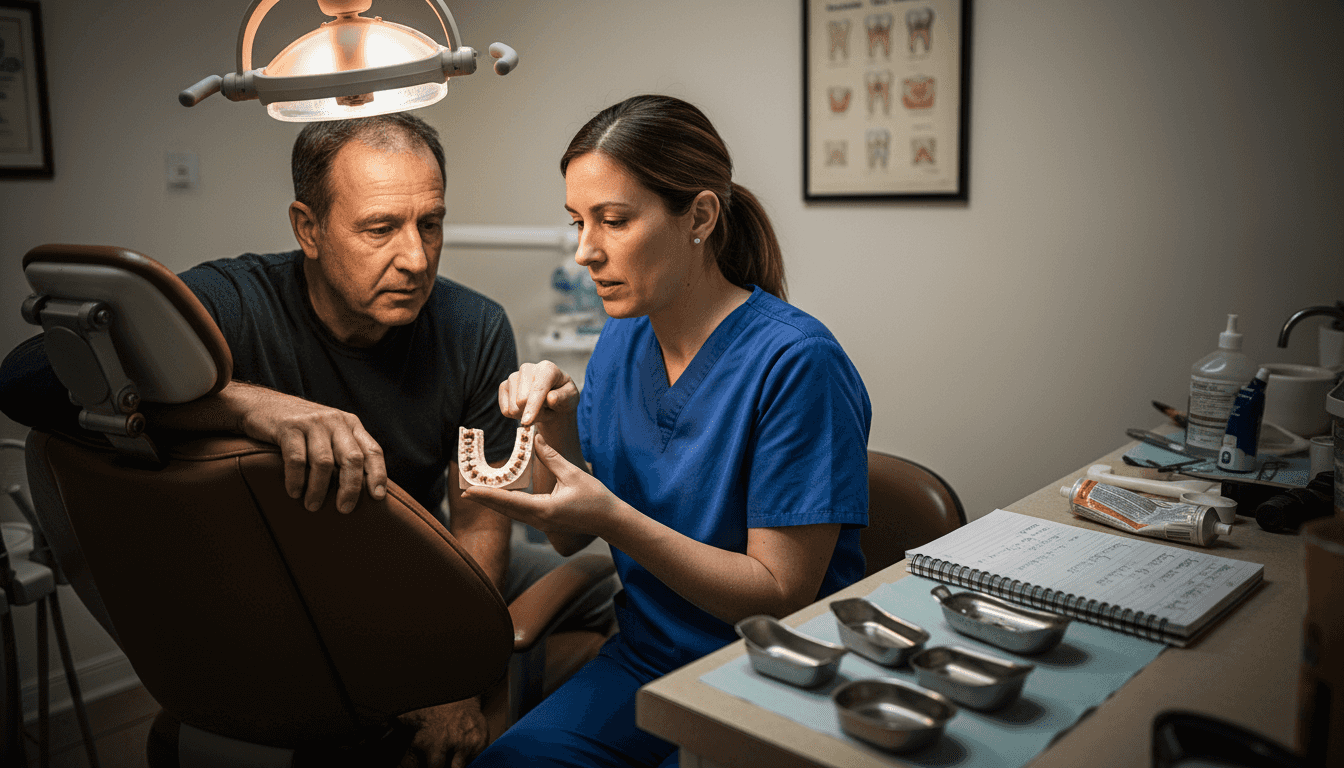
Implants without prior orthodontic correction have up to 25% higher failure rates due to biomechanical overload. Patients with untreated overbites, crossbites, or crowding frequently experience implant complications within five years. The implant crown may crack, the abutment may loosen, or the implant itself may fail to integrate.
Biomechanical stresses from malocclusion affect implant stability in multiple ways:
- Uneven occlusal forces cause excessive lateral stress on the implant post
- Increased torque on the abutment connection leads to screw loosening
- Concentrated bite pressure accelerates bone resorption around the implant
- Parafunctional habits like grinding worsen under misalignment, damaging implants
- Poor contact between opposing teeth generates shear forces that threaten osseointegration
Implants alone do not correct alignment or bite problems. They replace missing teeth but cannot reposition adjacent teeth or fix malocclusion. Patients expecting implants to solve all oral health issues often face disappointment. Without orthodontic correction, the underlying bite problems persist and compromise the new implants.
| Factor | Implants Without Orthodontics | Implants With Orthodontics |
|---|---|---|
| Failure rate | 25% higher | Standard baseline |
| Biomechanical stress | Uneven, concentrated forces | Balanced force distribution |
| Bone integration | Compromised by micromovements | Strong, stable osseointegration |
| Long-term maintenance | Frequent adjustments, repairs | Minimal intervention needed |
| Patient satisfaction | Moderate, functional complaints | High, improved chewing comfort |
Understanding the benefits of dental implants requires recognizing their limitations. Implants restore missing teeth brilliantly when placed in a properly aligned bite. Neglecting orthodontics undermines the malocclusion impact on implant failure, jeopardizing your investment.
Affordable Orthodontic Treatment Options for Implant Patients
Southern California families have access to multiple budget-friendly orthodontic solutions that integrate seamlessly with implant treatment. Clear aligners have revolutionized affordability and aesthetics, making combined care accessible to more patients.
Clear aligners cost 30-50% less than traditional braces, lowering the total cost of combined orthodontic and implant treatments. This savings makes comprehensive care feasible for low- to middle-income families. Aligners also offer shorter treatment times for mild to moderate alignment issues, reducing the delay before implant placement.
| Treatment Type | Average Cost | Treatment Duration | Aesthetic Appeal | Best For |
|---|---|---|---|---|
| Clear aligners | $3,000 to $5,000 | 6 to 18 months | High, nearly invisible | Mild to moderate alignment, adult patients |
| Traditional braces | $5,000 to $7,000 | 18 to 36 months | Moderate, visible metal | Complex malocclusion, all ages |
| Partial braces | $2,000 to $4,000 | 6 to 12 months | Moderate | Limited tooth movement before implants |
| Retainers | $500 to $1,500 | 3 to 6 months | High | Minor spacing adjustments |
Specialty dental practices in the Inland Empire offer flexible payment options:
- Dental membership programs starting at $20 per month provide discounted orthodontics and implants for uninsured families
- In-house financing plans spread costs over 12 to 24 months with low or no interest
- Medi-Cal covers orthodontics for children and may assist with implant-related procedures for qualifying adults
- PPO and HMO insurance plans often cover a portion of orthodontic costs, reducing out-of-pocket expenses
- Seasonal promotions and package discounts lower total treatment costs when combining services
Pro Tip: Ask your dental office about bundled treatment plans that combine orthodontics and implants at a reduced total cost, saving 10 to 20% compared to paying separately.
Partial braces and clear aligners offer flexible, budget-friendly solutions for pre-implant preparation. Many patients need only limited orthodontic correction to create ideal implant sites, avoiding the expense of full-mouth braces. Consult your dentist to determine the most cost-effective option for your specific needs.
Explore the dental implant financing guide to understand how combining orthodontics with implants fits your budget. Comparing clear aligners vs braces cost helps you make an informed choice that balances affordability with clinical outcomes.
Common Misconceptions about Orthodontics in Implant Dentistry
Many patients mistakenly believe orthodontics is optional when planning dental implants. This misconception leads to preventable failures and costly retreatments. Understanding the truth helps you avoid these pitfalls.
Some families assume implants automatically fix bite and alignment problems. Implants replace missing teeth but do not reposition adjacent teeth or correct malocclusion. If your bite is misaligned before surgery, it remains misaligned afterward. The new implant will then suffer the same uneven forces that contributed to the original tooth loss.
Another common myth suggests orthodontics is always too expensive for low-income families. In reality, affordable options like clear aligners, partial braces, and dental membership programs make orthodontic care accessible. Skipping orthodontics to save money upfront often results in implant failure, costing far more in the long run.
Key misconceptions to dispel:
- Orthodontics is not a luxury; it’s a clinical necessity for durable implant outcomes when malocclusion exists
- Implants alone cannot correct bite problems or reposition teeth; they require a stable, aligned foundation
- Affordable orthodontic options exist for budget-conscious families through membership programs and flexible financing
- Delaying orthodontics to rush implant placement increases failure risk and total costs over time
- Children and adults both benefit from pre-implant orthodontic evaluation, regardless of age
Educating yourself on these facts empowers you to make decisions that protect your health and investment. Orthodontics and implants work synergistically when integrated properly. Trusting evidence-based treatment sequencing ensures your implants succeed long term.
Stepwise Treatment Framework for Combining Orthodontics and Implants
A coordinated, phased approach ensures optimal outcomes when integrating orthodontics with dental implants. Following a clear sequence minimizes complications and maximizes implant longevity.
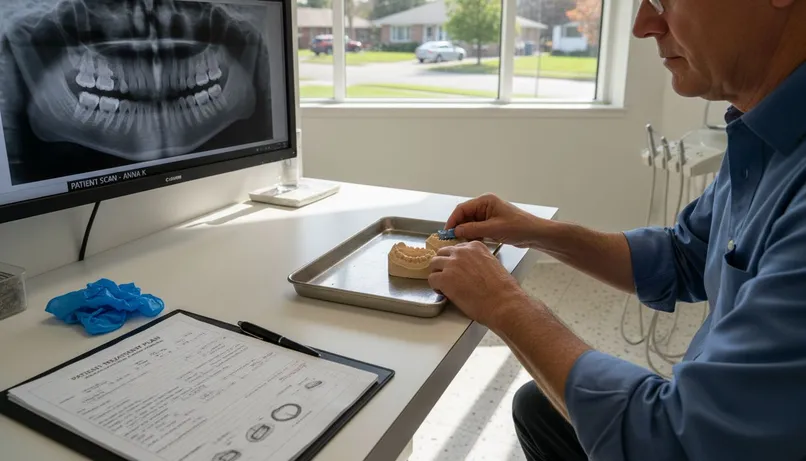
- Initial consultation and comprehensive evaluation: Your dentist and orthodontist assess your bite, alignment, bone density, and overall oral health to create a personalized treatment plan. Diagnostic imaging like X-rays and 3D scans identify bone deficiencies and spacing issues.
- Orthodontic treatment to correct malocclusion: Braces or aligners gradually reposition teeth, create adequate spacing, and align the bite over six to 24 months. This phase establishes the ideal foundation for implant placement.
- Implant placement surgery: Once orthodontics is complete and teeth are stable, your surgeon places the implant post into the prepared site. Proper alignment ensures accurate positioning and optimal angulation for long-term stability.
- Post-implant retention and monitoring: After the implant integrates, you wear retainers to maintain tooth positions and prevent relapse. Regular follow-ups verify the implant remains stable and the bite stays balanced.
Each step serves a critical purpose. The initial evaluation identifies obstacles early, preventing surprises during treatment. Orthodontic correction creates the structural conditions needed for implant success. Surgical placement benefits from the improved anatomy, reducing complications. Post-treatment retention safeguards your investment by preventing tooth movement that could destabilize the implant.
Coordination between your orthodontist and implant dentist is essential. They must communicate throughout treatment to adjust timelines, address complications, and ensure seamless transitions between phases. Choosing a practice that offers both services streamlines this coordination.
Patient responsibilities include:
- Wearing orthodontic appliances and retainers as prescribed
- Maintaining excellent oral hygiene to prevent infection during orthodontics and implant healing
- Attending all scheduled appointments for monitoring and adjustments
- Reporting any discomfort, loosening, or changes in bite immediately
- Avoiding hard foods and habits that stress the implant during integration
Post-treatment monitoring prevents relapse and catches problems early. Your dentist will schedule periodic check-ups to verify implant stability, assess bone health, and ensure your bite remains balanced. Early intervention for minor issues prevents major failures.
Access expert orthodontic care from providers experienced in pre-implant preparation. Their expertise ensures each phase progresses smoothly, protecting your health and investment.
Insurance, Financial Aid, and Patient Support in Southern California
Navigating insurance coverage and financing options is crucial for families seeking combined orthodontic and implant care. Understanding local resources maximizes affordability.
Medi-Cal (California’s Medicaid program) covers orthodontics for children under 21 when medically necessary. Adults may receive limited implant-related coverage if tooth loss impacts health or function. Eligibility requirements and covered procedures vary, so contact your Medi-Cal dental provider to verify benefits. Many families qualify for assistance but don’t realize it.
Private insurance plans like PPO and HMO often cover a portion of orthodontic costs. PPO plans typically reimburse 50% of orthodontic treatment up to a lifetime maximum of $1,500 to $3,000. HMO plans may offer discounted rates through in-network specialists. Dental implants receive variable coverage; some plans classify them as cosmetic, while others cover a percentage when medically necessary.
Local dental membership programs provide an affordable alternative for uninsured families:
- Monthly fees starting at $20 offer discounted preventive care, orthodontics, and implants
- No waiting periods, deductibles, or annual maximums simplify budgeting
- Family plans extend discounts to multiple household members
- Transparent pricing eliminates surprise bills and hidden costs
Flexible financing options include:
- In-house payment plans spreading costs over 12 to 36 months with low or zero interest
- Third-party healthcare credit cards offering promotional financing periods
- Sliding scale fees based on household income for qualifying patients
- Seasonal promotions reducing total treatment costs by 10 to 20%
To maximize insurance benefits:
- Schedule orthodontics in one calendar year and implants in the next to utilize separate annual maximums
- Request pre-authorization for implant procedures to confirm coverage before treatment
- Coordinate with your HR benefits department to understand your plan’s orthodontic and implant policies
- Keep detailed records of all treatment and payments for insurance claims and tax deductions
Monteluz Dental offers comprehensive patient support including bilingual staff, insurance verification, and personalized financing plans. Their team helps families navigate Medi-Cal, private insurance, and membership options to find the most affordable path to care.
Explore insurance for dental implants and dental implant financing options to understand your coverage. Review affordable orthodontic care resources tailored for Southern California families. Investigate flexible financing options to make combined treatment accessible.
Long-term Oral Health Benefits and Patient Outcomes
Combining orthodontics with dental implants delivers sustained functional and psychological benefits that enhance quality of life. Clinical evidence confirms superior outcomes compared to implants alone.
Combined orthodontic and implant treatments achieve 80% functional improvement in mastication and occlusal force distribution, compared to 55% for implants alone. Proper alignment ensures even bite forces, reducing wear on natural teeth and implants. Patients report easier chewing, reduced jaw fatigue, and greater comfort.
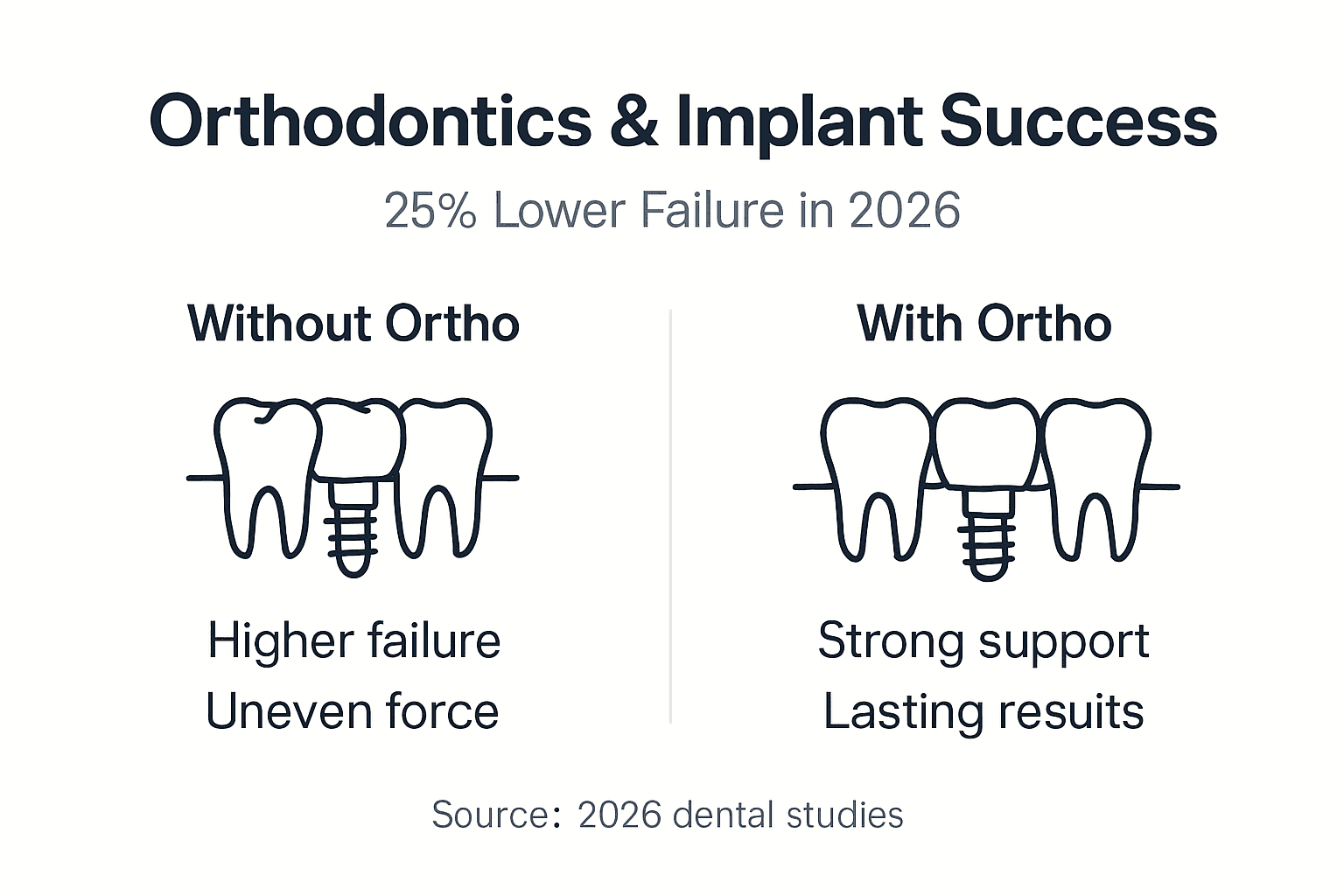
Over five years, patients receiving combined therapy demonstrate higher satisfaction ratings. They experience fewer complications like implant loosening, crown fractures, or bone loss. The balanced bite reduces stress on the temporomandibular joint, preventing TMJ disorders.
Common positive outcomes from combined treatment include:
- Improved chewing efficiency and ability to eat a wider variety of foods
- Balanced bite force distribution preventing premature wear on teeth and implants
- Reduced risk of implant complications like peri-implantitis or crown failure
- Enhanced facial aesthetics from properly aligned teeth and supported facial structures
- Increased confidence and social comfort due to functional, attractive smile
- Lower long-term maintenance costs due to fewer repairs and retreatments
Orthodontics optimizes implant longevity by creating the structural conditions for lasting integration. Implants placed in aligned bites experience less biomechanical stress, extending their functional life by decades. Patients avoid the cycle of repeated failures and costly replacements.
Psychological benefits matter, too. Patients with functional, attractive smiles report higher self-esteem and social engagement. The ability to eat comfortably improves nutrition and overall health. Combined treatment addresses both functional and aesthetic concerns, delivering comprehensive satisfaction.
Understanding the long-term benefits of dental implants reinforces the value of integrating orthodontics. Review functional outcomes of combined orthodontics and implants to see the clinical evidence supporting this approach.
Explore Affordable Orthodontics and Dental Implants at Monteluz Specialty
Monteluz Dental Specialty Group offers integrated orthodontic and implant care designed for Southern California families. Located in San Bernardino, our team understands the financial and logistical challenges faced by low- to middle-income households. We provide combined evaluations, personalized treatment plans, and flexible financing to make comprehensive care accessible.
Our specialists coordinate orthodontic preparation with implant placement, ensuring seamless treatment and optimal outcomes. Whether you need clear aligners, traditional braces, or advanced implant surgery, we deliver expert care under one roof. Bilingual English and Spanish support ensures clear communication throughout your journey.
Flexible financing and dental membership programs remove cost barriers. Starting at $20 per month, our membership plans offer discounted orthodontics, implants, and preventive care for uninsured families. In-house payment plans spread costs over time without high interest rates. We accept Medi-Cal, PPO, and HMO insurance, maximizing your benefits.
Comprehensive care improves outcomes and reduces long-term costs. By addressing alignment before implant placement, we prevent failures and ensure your investment lasts decades. Our patient-centered approach prioritizes your comfort, budget, and goals.
Schedule a consultation today to explore personalized, affordable plans for combining expert orthodontic care in San Bernardino with dental implants for missing teeth. Discover how affordable dental implant financing makes quality care within reach.
Frequently Asked Questions About Orthodontics and Dental Implants
Do I need orthodontics before getting dental implants?
If you have malocclusion, crowding, or significant bite issues, orthodontics before implants reduces failure risk by up to 25% and ensures proper alignment. Your dentist will evaluate your bite to determine if pre-implant orthodontics is necessary.
How long does orthodontic treatment take before implant placement?
Orthodontic treatment duration ranges from six to 24 months depending on the severity of misalignment and the method used. Clear aligners for mild cases may take six to 12 months, while complex malocclusion with traditional braces may require 18 to 24 months.
Are clear aligners effective for pre-implant orthodontics?
Clear aligners effectively correct mild to moderate alignment issues and cost 30 to 50% less than traditional braces, making them an excellent choice for pre-implant preparation. They offer shorter treatment times and high aesthetic appeal for adult patients.
What happens if I skip orthodontics and go straight to implants?
Skipping orthodontics when malocclusion exists increases implant failure rates by up to 25% due to uneven bite forces and poor alignment. You risk implant loosening, crown fractures, and costly retreatments within five years.
Does insurance cover orthodontics and implants together?
Many PPO insurance plans cover a portion of orthodontics and may provide limited implant coverage when medically necessary. Medi-Cal covers orthodontics for children under 21, and some adults qualify for implant assistance. Verify your specific benefits with your provider.
How much does combined orthodontic and implant treatment cost?
Total costs vary based on treatment complexity, but combining orthodontics and implants typically ranges from $8,000 to $15,000. Flexible financing, dental membership programs, and insurance can significantly reduce out-of-pocket expenses, making comprehensive care affordable for most families.
Recommended
- Why Dental Implants Fail – Key Risks for Families
- Dental Implant Checklist 2026: 20% Higher CA Costs & Tips
- Dental Implant Financing Guide 2026: 30% More Affordable
- The Life-Changing Benefits of Dental Implants: Restore Your Smile