
Over 36 million American adults are missing all their teeth, making dental implants one of the most popular choices for lasting family smiles. For Spanish-speaking families in San Bernardino, discovering affordable implant options through Denti-Cal can feel like unlocking a new sense of confidence. With the right information, you can find accessible solutions, flexible payment plans, and choose the best implant type for your family’s long-term dental health.
Table of Contents
- 1. Endosteal Implants: The Most Common Option
- 2. Subperiosteal Implants: For Shallow Jawbones
- 3. Zygomatic Implants: Solution For Bone Loss
- 4. Mini Dental Implants: Cost-Effective Choice
- 5. All-on-4 Implants: Full Arch Replacement
- 6. Choosing The Right Dental Implant For Your Family
Quick Summary
| Takeaway | Explanation |
|---|---|
| 1. Endosteal implants offer stable tooth replacement. | These implants integrate with jawbone, providing a permanent and reliable solution for tooth loss. |
| 2. Subperiosteal implants suit patients with shallow jawbones. | They rest on the jawbone surface and are custom designed, making them ideal for those with insufficient bone density. |
| 3. Zygomatic implants tackle severe bone loss effectively. | By anchoring into the zygomatic bone, these implants bypass traditional grafting needs and support dental prosthetics for complex cases. |
| 4. Mini dental implants are cost-effective and less invasive. | Their smaller size requires simpler procedures and lower costs, and they are beneficial for stabilizing dentures. |
| 5. All-on-4 implants facilitate full arch restorations efficiently. | This technique uses four implants to support a full set of teeth, reducing recovery time and overall treatment costs for patients. |
1. Endosteal Implants: The Most Common Option
Endosteal implants represent the gold standard in modern tooth replacement solutions, serving as the most prevalent and reliable dental implant technique for patients seeking a permanent smile restoration. These sophisticated titanium posts are surgically placed directly into the jawbone, creating a strong and stable foundation for artificial teeth that look and function just like natural ones.
The magic of endosteal implants lies in their ability to integrate seamlessly with bone tissue. Unlike other dental replacement options, these implants undergo a remarkable biological process called osseointegration, where the titanium post actually fuses with your natural bone structure. This process ensures maximum stability and creates a permanent anchor for crowns, bridges, or dentures.
Patients with sufficient jawbone density are ideal candidates for this procedure. The surgical process involves carefully inserting the titanium post into the jaw, allowing several weeks or months for complete bone integration. Once healing occurs, a custom prosthetic tooth or dental restoration is attached, providing a natural looking and functional replacement that can last decades with proper care.
While endosteal implants work wonderfully for many patients, they do require a healthy jawbone and good overall oral health. Factors like bone density, gum condition, and overall medical history play crucial roles in determining successful implantation. Patients with significant bone loss might need additional procedures like bone grafting to prepare for this treatment.
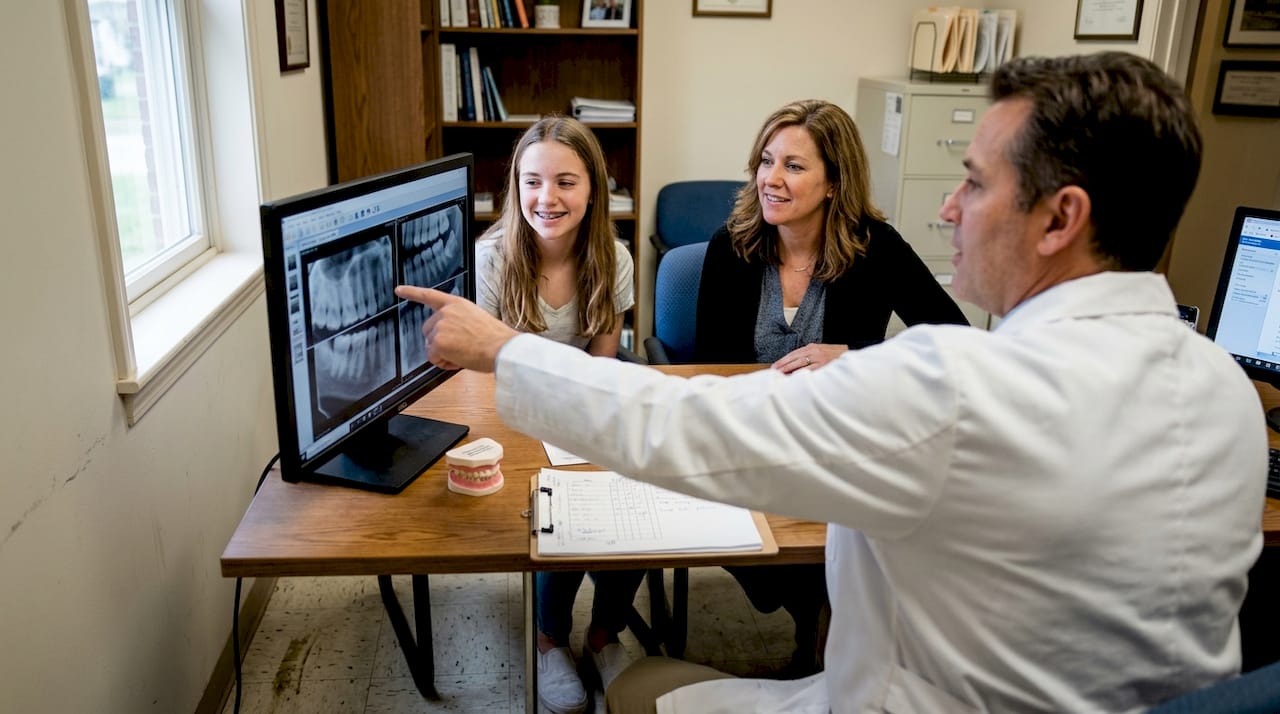
Pro tip: Schedule a comprehensive dental imaging consultation to determine your specific jawbone characteristics and suitability for endosteal implants before making any treatment decisions.
2. Subperiosteal Implants: For Shallow Jawbones
Subperiosteal implants offer a groundbreaking solution for patients struggling with insufficient bone density who cannot undergo traditional dental implant procedures. These innovative prosthetics are specifically designed to rest on top of the jawbone, providing a viable alternative for individuals with shallow or compromised bone structures.
Unlike traditional endosteal implants that require significant bone depth, subperiosteal implants are custom designed for unique jawbone anatomy. The procedure involves creating a precision metal framework that sits directly on the bone surface, just beneath the gum tissue. Modern digital imaging and computer aided design technologies have dramatically improved the accuracy and fit of these specialized implants.
Patients with severe bone atrophy or those who have experienced significant bone loss due to long term tooth absence can benefit tremendously from this approach. The custom framework is meticulously crafted to match the patient’s specific bone contours, ensuring maximum comfort and stability. Dental professionals can now provide tooth replacement options to patients who were previously considered unsuitable for traditional implant treatments.
The surgical process for subperiosteal implants is less invasive compared to bone grafting procedures. This makes them an attractive option for patients seeking a more straightforward dental restoration solution. By using advanced digital mapping techniques, dentists can create implants that perfectly conform to the patient’s unique oral landscape.
Pro tip: Consult with a specialized dental professional who has extensive experience in digital implant design to assess whether subperiosteal implants are the most appropriate solution for your specific bone structure and dental needs.
3. Zygomatic Implants: Solution for Bone Loss
Zygomatic implants represent a revolutionary dental solution for patients experiencing severe upper jawbone loss who previously had limited treatment options. These specialized implants offer hope for individuals with complex dental challenges by anchoring directly into the dense cheekbone instead of the traditional upper jaw.
Unlike conventional dental implants, zygomatic implants utilize the strong zygomatic bone as a stable foundation, bypassing traditional bone grafting limitations. This innovative approach allows patients with significant bone atrophy to receive dental prosthetics without undergoing multiple complex surgical procedures. The technique is particularly beneficial for individuals who have experienced long term tooth loss or extensive bone resorption.
The surgical procedure involves precisely placing long titanium implants into the zygomatic bone, which provides exceptional stability and support for dental reconstructions. Long term studies have demonstrated impressive survival rates exceeding 96%, making this an increasingly reliable option for patients with challenging dental anatomy. The immediate function of these implants means patients can often receive their permanent teeth much faster compared to traditional implant methods.
Zygomatic implants are especially recommended for patients who have been told they are not candidates for standard dental implants due to severe bone loss. The procedure can dramatically improve quality of life by restoring functionality and aesthetic appearance for individuals who might otherwise have been limited to removable dentures or other less stable solutions.
Pro tip: Consult with a specialized dental surgeon experienced in zygomatic implant techniques to thoroughly evaluate your specific anatomical requirements and potential candidacy for this advanced dental restoration approach.
4. Mini Dental Implants: Cost-Effective Choice
Mini dental implants represent a groundbreaking solution for patients seeking an affordable and less invasive tooth replacement option. These smaller diameter implants offer a practical alternative to traditional dental implant procedures, especially for individuals with limited bone density or budget constraints.
Unlike standard dental implants, mini dental implants are significantly thinner and require less invasive surgical procedures. Typically measuring less than three millimeters in diameter compared to traditional implants that range from four to six millimeters, these compact devices provide a streamlined approach to dental restoration. The smaller size allows for easier placement, reduced healing time, and often lower overall treatment costs.
Mini dental implants are particularly beneficial for stabilizing dentures, providing a secure and comfortable fit for patients who struggle with traditional removable prosthetics. They can be an excellent solution for individuals with narrow jawbones or those who have experienced significant bone loss over time. The one day surgical procedure means patients can often leave the dental office with a newly stabilized dental appliance, minimizing disruption to their daily lives.
The cost effectiveness of mini dental implants makes them an attractive option for families looking to manage their dental care expenses. Because the procedure is less complex and requires less surgical intervention, patients can often save significantly compared to traditional implant treatments. Additionally, the shorter recovery time means less time away from work or family responsibilities.
Pro tip: Consult with a dental professional who specializes in mini dental implants to thoroughly evaluate your specific oral health needs and determine whether this innovative solution is the right fit for your unique dental restoration requirements.
5. All-on-4 Implants: Full Arch Replacement
All-on-4 dental implants represent a revolutionary approach to full mouth restoration, offering patients a comprehensive solution for replacing an entire arch of missing teeth with remarkable efficiency. This innovative technique provides a permanent alternative to traditional dentures, transforming smiles and restoring confidence in just one surgical procedure.
The All-on-4 method strategically places four precisely angled implants to maximize bone utilization and support a complete set of fixed teeth. By positioning two implants vertically in the front of the jaw and two implants at an angle in the back, this technique creates a strong foundation that can often support a full prosthesis without requiring extensive bone grafting. This approach significantly reduces surgical complexity and recovery time compared to traditional implant methods.
Patients experiencing complete tooth loss or those struggling with failing dentition can benefit tremendously from this procedure. The technique allows for immediate placement of a temporary prosthesis, meaning many patients can leave the dental office with a fully functional set of teeth on the same day as their surgery. This quick turnaround minimizes disruption to daily life and provides an immediate boost to both aesthetic appearance and functional ability.
Cost effectiveness is another significant advantage of the All-on-4 approach. By using only four implants per arch instead of individual implants for each missing tooth, patients can achieve a full mouth restoration at a fraction of the cost of traditional implant methods. The procedure also reduces the need for multiple surgeries and extended healing periods, further lowering overall treatment expenses.
Pro tip: Consult with a dental specialist experienced in All-on-4 procedures to thoroughly evaluate your specific oral health needs and determine whether this innovative full arch replacement technique is the optimal solution for your dental restoration goals.
6. Choosing the Right Dental Implant for Your Family
Selecting the ideal dental implant is a deeply personal journey that requires careful consideration of multiple factors unique to each family member. Understanding the nuanced landscape of dental restoration options empowers patients to make informed decisions that align with their oral health goals and financial considerations.
The process of selecting the right dental implant begins with a comprehensive oral health assessment. Factors such as bone density, overall medical history, number of missing teeth, and individual healing capabilities play crucial roles in determining the most appropriate implant type. Age, lifestyle, and long term health objectives also significantly influence the recommended treatment approach.
Family dental care requires a personalized strategy that considers each individual’s unique oral health profile. Younger patients might benefit from traditional endosteal implants with longer recovery potential, while older family members might find mini implants or All-on-4 solutions more suitable. The key is working closely with oral health professionals who can conduct thorough evaluations and develop tailored treatment plans that address specific medical needs.
Budget considerations are equally important when exploring dental implant options. While some implant types require higher initial investments, they may offer more long term value through durability and reduced maintenance. Patients should explore flexible financing options, dental insurance coverage, and potential payment plans that make advanced dental treatments more accessible for families with diverse economic backgrounds.
Pro tip: Schedule comprehensive consultations with dental specialists who can provide detailed assessments and multiple treatment scenarios, enabling you to make an informed decision that balances medical necessity, personal comfort, and financial feasibility.
Below is a comprehensive table summarizing the main dental implant options as discussed in the article, highlighting their features, applications, and suitability for various patient conditions.
| Type | Features | Suitable For |
|---|---|---|
| Endosteal Implants | Titanium posts integrated via osseointegration; strong and long-lasting. | Patients with healthy jawbones and good oral health. |
| Subperiosteal Implants | Custom metal framework resting atop the jawbone; utilizes digital design for precise fit. | Individuals with insufficient jawbone density without bone grafting. |
| Zygomatic Implants | Uses the zygomatic bone as an anchor; avoids upper jawbone limitations. | Severe upper jawbone loss cases unsuitable for traditional methods. |
| Mini Dental Implants | Smaller diameter; less invasive placement and cost-effective option. | Stabilizing prosthetics for narrow jawbones or budget considerations. |
| All-on-4 Implants | Four implants supporting a full arch; immediate functionality post-placement. | Full mouth restorations for quick and cost-effective solutions. |
Discover Affordable Dental Implant Solutions Tailored for Your Family’s Needs
Choosing the right dental implant can feel overwhelming as you consider jawbone health, bone density, and budget constraints. This article highlights key implant types from endosteal to All-on-4 designed to meet diverse oral health challenges and restore smiles with lasting confidence. If your family is searching for personalized, affordable implant options that work for everyone from young adults to seniors, Monteluz Dental Specialty Group offers compassionate care that addresses those concerns.
Explore a full range of advanced dental implant services and flexible payment options at Monteluz Dental Specialty Group. Gain peace of mind with bilingual support, comprehensive plans, and expert consultations designed to help you choose the right implant for your unique situation. Visit our Dental Health to learn more about options and then schedule your personalized assessment today. Don’t wait to restore your family’s smiles with dental care built around your needs and budget.
Frequently Asked Questions
What are the key types of dental implants available for family care?
Endosteal, subperiosteal, zygomatic, mini dental implants, and All-on-4 implants are the main types. Each type serves specific needs based on factors like bone density and the extent of tooth loss.
How do I determine if my family members are suitable candidates for dental implants?
Consult with a dental professional to evaluate oral health, bone density, and medical history. A comprehensive assessment will help identify which type of implant is best for each family member.
What factors should I consider when choosing dental implants for my family?
Consider bone density, healing capabilities, number of missing teeth, and budget. Tailor your approach based on each family member’s specific needs for the best results.
Can mini dental implants be a good option for someone with limited budget?
Yes, mini dental implants are often more affordable and less invasive than traditional implants. They provide a cost-effective solution that can stabilize dentures, offering immediate improvements without extensive treatments.
How quickly can I expect results after dental implant surgery?
The healing time varies based on the type of implant and individual healing capacities, but many patients see functionality restored within a few weeks for mini implants or the same day for All-on-4 implants. Schedule regular follow-ups to monitor progress and ensure a smooth recovery.
Is financing available for dental implants?
Yes, many dental offices offer flexible financing options or payment plans to manage costs. Discuss payment arrangements with your dentist to find a plan that fits your family’s budget.
Recommended
- The Life-Changing Benefits of Dental Implants: Restore Your Smile
- Dental Implants Missing Teeth Tooth Replacement
- Zirconia Implants Benefits Biocompatible Dental Implants
- Permanent Dental Implants in San Bernardino | Restore Your Smile
- A Comprehensive Guide to Dental Implants: Types, Procedure, and Aftercare - Paynless Dental Clinic